🔥 Buy a Furnace now, get an AC FREE! ❄️🎁 💰 SAVE $1,500 ON A NEW AC! 🧊📉. 🚿 Hot Water for Just $35/Month! 🛁✨. ❄️ New AC Only $12/Week! 💵🏠.

Author name: nidhi@thewebmint.ca

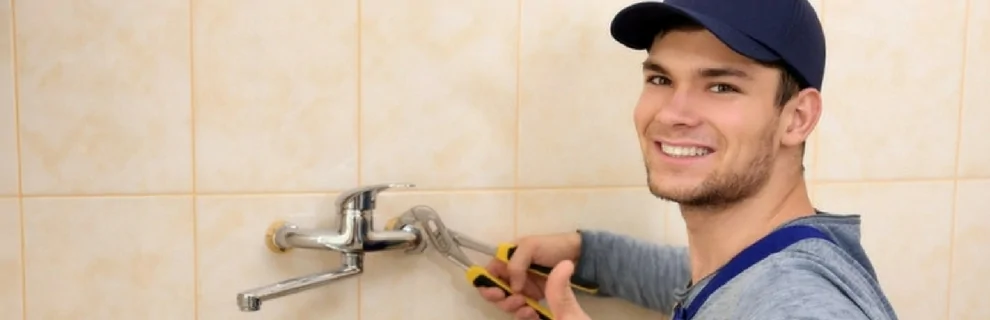
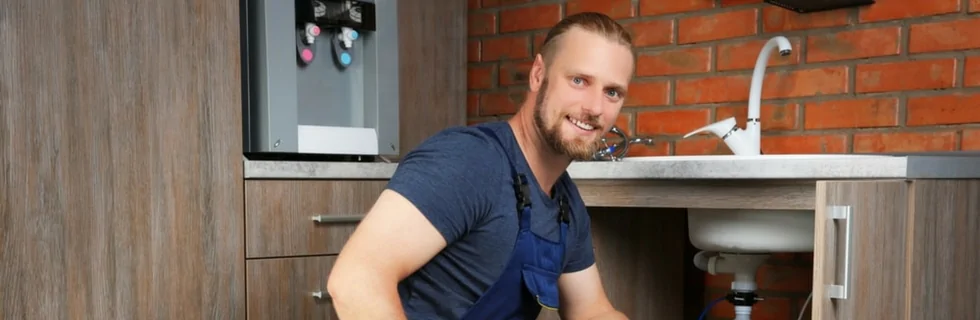
An emergency plumber fixing a sink in Calgary, AB
Plumbing

How to Know when You Should Replace a Plumbing Component Over a Repair

It goes without saying that engaging in ongoing home repairs can extend components of your home’s lifespan and save you money at the same time. However, when do you know if a component is salvageable, or if repairs even make financial sense? For many of your home’s plumbing components, age is a factor, but there are other signals that tell you to repipe rather than repair. Replace the Washing Machine? If your washing machine is more than eight years old, right off the bat, it may not be worthwhile for you to sink any more money into fixing it. Other trouble signs include a machine that shakes, leaks a lot or makes banging noises. Don’t forget to check your washing machine’s connector hoses. They need to be replaced every 5-7 years. If they decay and rupture, you could be faced with major water damage. For extra peace of mind, put in braided stainless steel hoses rather than rubber. Replace the Sink? What’s wrong with your sink? Is it smelly? Get a drain cleaning done to fix that? Leaky faucet? You can likely fix that. However, if you are dealing with a leak, check out the plumbing beneath the sink. Is it rusty or covered in mineral deposits? This is a circumstance where it makes far more sense to replace than to repair. As plumbing ages, it gets rusty and starts to deteriorate, hence the leaks. When to Replace Your Shower If you see black mold anywhere on your shower, alarm bells should go off. Replace it immediately because it is toxic for your family. Also, if your shower head is full of sediment, or has uneven water pressure, get yourself a new one. If you’ve got low water pressure everywhere in your home realize that it isn’t a showerhead problem, but that you probably have a hidden leak somewhere. Water Heater Replacement? If your tankless heater is close to 20 years old, or if your storage tank heater is 10-15 years old, don’t bother trying to fix it. It is at the end of its lifespan. Other problems that will require major repairs include corrosion and large leaks. If you have a storage tank heater, no matter how old it is, you may want to upgrade it to a tankless heater, which works on demand and saves you money. If you aren’t sure what you should do with your plumbing, you can always call on your trusty Calgary, AB plumbers for help.
Plumbing permit certification
Plumbing

Your Complete Guide to Plumbing Permits

For Calgary, AB plumbers, getting permits from the city for work is second nature. But did you know that even if you are thinking of tackling some home renovation tasks all on your own, or maybe even looking for a plumbing career, you need to get a permit? To obtain a permit, you apply through the city. In many cases, you need separate permits for different jobs (i.e., one permit for electrical work, one permit for plumbing, etc.). It’s not simply enough to have the tools and the time to tackle DIY jobs. As we’ll discuss below, you need to have the right permits for a number of reasons. When Should I get a Plumbing Permit? Although requirements for permits vary from city to city, for the most part in Calgary, simple jobs don’t require a permit. For example, if you are putting in a new toilet, hot water tank, repairing a leak or installing a new shower head. Other home renovation jobs that don’t require a permit are painting, decorating, installing cabinets (without plumbing) putting up siding on your home or building a small shed. Generally, if you are doing work that alters the structure of your home (or in the case of the plumbing has to do with municipal sewer lines or water supply) you need a permit. For example, if you are doing anything that alters your heating/cooling or plumbing systems, you need a permit. If you are putting in a sprinkler system, remodeling your bathroom/kitchen with major plumbing work or putting on an addition to your home. How Does a Plumbing Permit Keep Me Protected? At the very least, having work done with proper permitting will give you peace of mind, because you know that work is being done right. As permitted work has to be done to a certain standard of care, it will probably last longer and be of higher quality in general. Having a permit to do work can protect you against liability and fines in the future, especially if you sell your home. Permits also help to ensure your family’s safety. Unpermitted, DIY work may not be done correctly and can result in dangerous living conditions, including fire and flood. How Much Does a Plumbing Permit Cost? When you are not building a building from scratch, there is a sliding fee based on what the value of the project is. You can estimate how much it will cost by using the City of Calgary’s trade estimation calculator.

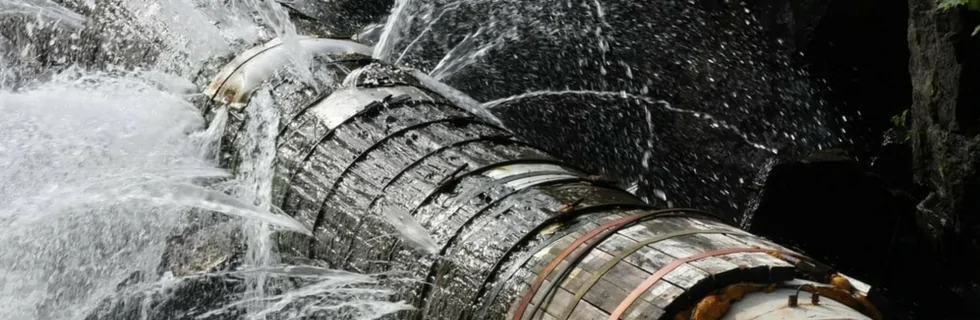
A large pipe with many holes and water bursting and is needing emergency plumbing Calgary, AB
Plumbing

Worried About Water Leaks? Here are the Most Common Reasons they Happen

One plumbing problem that every homeowner should be concerned about is water leaks. Even a dripping pipe, if left undetected for a long period of time, can cause vast amounts of water damage. Depending on how much water escapes, the cost of conducting repairs can go through the roof, and the price of your water bill may skyrocket. Luckily, residents of Calgary, AB have access to water leak detection service. But is there a way of stopping leaks before they start? To find the solution, one must understand the nature of leaks. Here are some of the most common reasons water leaks happen. Very High Pressure Having too much water pressure in your home can actually be a bad thing. It might feel pleasant while also making washing and bathing more efficient, but high water pressure can add strain to the pipes and boost the odds of a burst or leak. It’s also key to note that every faucet and fixture is designed to operate within specific parameters. If the water pressure is too high, they may not function. Those who are uncertain about the water pressure levels in their home should reach out to a professional. Pipes Are Getting Old Pipes can only last for so long. As they age, they can exhibit signs of deterioration and become more vulnerable to damage. Debris inside the pipes can also accumulate over time, resulting in clogs and a rise in water pressure. This could lead to leaks. Corrosion and Rusty Pipes It’s possible that corrosive substances have made their way into your plumbing, which can increase the rate of decay and compromise the water pipes. Depending on what materials they were made from, water pipes may also begin to rust after a while. Either of these may lead to damage resulting in a leak. Go check on your pipes. If they’re warped or discolored, it’s probably a good idea to have them inspected by a technician. Water Quality Is Critical One way to help your home’s plumbing flow smoothly is by running clean water. If you water isn’t pure, substances can leave behind a residue that can build up and develop into clogs. Hard water, which is safe to consume, is chock-full of minerals that tend to accumulate within plumbing. Installing a water filtration system or water softener can help combat these symptoms and prevent leaks while keeping your water pipes healthy. Water leak repairs are available when you need it most, but a responsible homeowner may want to take measures to ensure such services aren’t needed. By calling in a professional to inspect your water pressure, the status of your pipes and quality of the water, you’re taking steps to help prevent a future emergency. Any potential problems on the horizon could be identified and solutions applied if necessary. Be proactive when it comes to avoiding water leaks in your home.

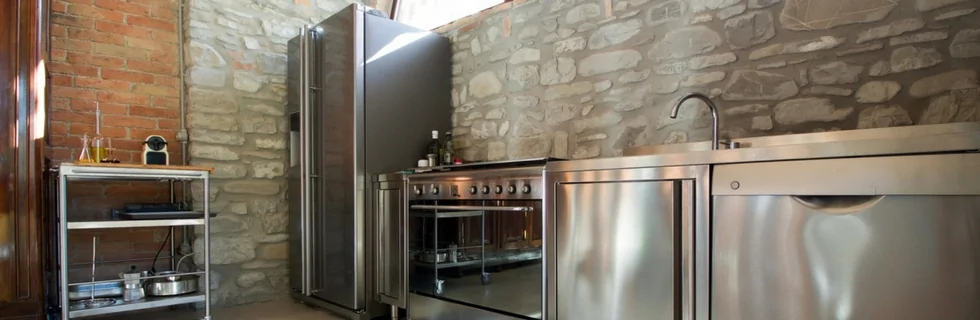
Kitchen with modernized equipment in Calgary, AB
Air Conditioning

Learn How to Connect a Refrigerator Today

So you’re ready to install your brand new refrigerator. One thing you need to understand is modern fridges often come with built-in water dispensers and ice makers that require a water line. This means you need to do some kitchen plumbing handywork. It’s not as scary as it seems. As long as you do the necessary prep work and buy the right materials, this project shouldn’t be too difficult and soon you will enjoy your new appliance in your Calgary, AB home. Here’s a how-to guide to help you along. Water Dispenser Connection First you need to locate a nearby cold-water supply. Kitchens normally have them under the sink. If you’re lucky, you might find one behind the area where the fridge is supposed to be. If that’s the case, make a direct connection between the supply and the refrigerator to complete the job. If not, follow these instructions once you’ve found a water supply. Step 1: Map out the piping The path your piping takes depends on the layout of your kitchen. Being able to run it through cabinets would be ideal, but in many cases you might have to install piping beneath the floor. Make sure you take precise measurements during this process so you buy enough materials. Remember to leave a lot of slack behind the fridge so you can safely pull the appliance out if necessary. Step 2: Shut off the water source Turn off the water using the valve at the supply. Next, run a faucet until the pipes are empty. This will minimize the amount of leaking water as you make connections. Step 3: Attach an adapter to the water supply There are three types of adapters you can use to connect your fridge with the water supply: a soldered tee-fitting, a compression tee-fitting and a saddle valve. Many do-it-yourself kits found in stores have saddle valves. We recommend against using them. Saddle valves don’t work as well and aren’t designed to last long. Instead, you should use a tee-fitting. Soldered tee-fittings, made by hand, are stronger than pre-made compression tee-fittings, but both perform the job just fine. Once you’ve decided on a type of tee-fitting, disconnect the kitchen sink faucet from the water supply and replace it with the tee-fitting. Afterward, you can connect the faucet to the tee-fitting, giving both the fridge and faucet access to water. Step 4: Connect piping to tee-fitting and refrigerator Attach the piping to the third and final port in the tee-fitting and hook it up to the last connection behind the fridge. This completes the installation, but next you will want to turn the water back on and look closely for leaks along the piping and at the tee-fitting. If everything seems to be in order, you can test your fridge’s features by running a few gallons of water and making a couple buckets of ice. Ice Maker Connection Modern refrigerators with water dispensers and ice makers only need a single water line. This means that as long as you made the connection detailed above both devices should be fully operational. Hiring Professional Help If you don’t feel confident about being able to install a new refrigerator on your own, don’t be afraid to ask for help. Kitchen plumbing projects can be intimidating, but professionals are always ready to lend a hand. The benefit of hiring a specialist is you know the installation will be done properly. Just sit back and relax while a plumber safely and quickly sets up your new fridge.

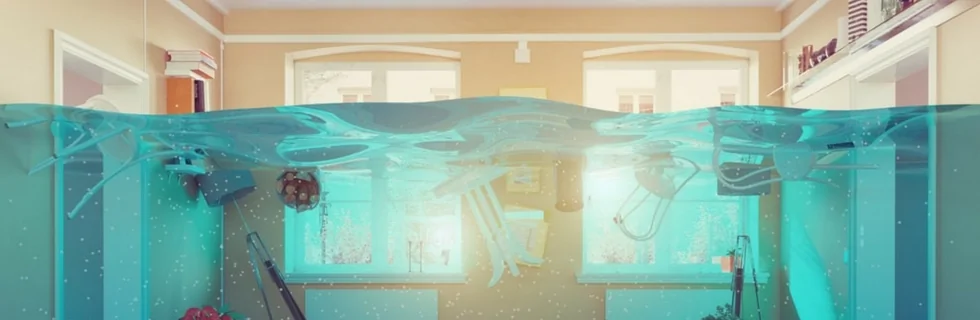
A flooded bedroom that need emergency plumbing Calgary, AB
Plumbing

Are You At Risk For These Common Plumbing Emergencies?

Plumbing normally works without issues, and with complete reliability for decades. That’s because the technology behind it is simple, well-understood, and the workmanship and materials used for plumbing are built to last. But that doesn’t mean that plumbing will last forever, or always work at peak levels of efficiency. Things can and do go wrong for a variety of different reasons. Some plumbing emergencies are more common than others, but we’ve got some tips to help you avoid these issues. Leaky Fixtures Probably the least serious of the threats to your plumbing that will appear on this list. That doesn’t mean, however, that a plumbing leak is harmless. In addition to the irritation it can cause in a home from the incessant dripping, it adds up on your water bill as well. Leak prevention is normally a simple matter of just making sure that taps on faucets are properly shut. But if a leak is still occurring despite this, you may need to replace either the O-ring or the washer inside the fixture. Both of these parts are small, cheap, and designed to be easily switched out, so get a wrench and get these parts to see if that doesn’t do the trick. Drains That Are Blocked If you’re proactive about your plumbing, you are unlikely to be at risk from this emergency. A blocked drain usually occurs when matter—it could be food in a kitchen sink, or hair in a bathroom sink or tub—doesn’t flow down the pipe and into the sewer. Instead, the matter gets caught in the pipe, and gradually catches other matter, building up. You’ll get an early warning that a blocked drain is on the way when you experience a “slow drain,” which is just water emptying out of a sink at a slower rate than normal. The careful, minimal use of drain cleaners can clear up small, partial blockages before they get serious. Never go all out with drain cleaners, as these are corrosives that can actively break very old pipes, and even melt or warp modern PVC pipes if too much is used. Mechanical solutions like plungers and plumber snakes are good for prevention too. Toilets That Overflow It usually takes something quite drastic to block the pipe of a toilet so that flushing causes it to back up and overflow onto the floor. The easiest way to avoid this is to respect the design requirements of your toilet. It is supposed only to flush down human waste and toilet paper. Even paper towels from the kitchen can block a pipe because they weren’t designed to break down in water the way toilet paper does. Everything from needles to disposable diapers have been flushed down toilets, and these can block the pipe! A Pipe That Bursts This one can be a major hazard in winter in Canada. It’s not uncommon for a water pipe to burst because the temperatures dropped too low, causing the water in the pipe to freeze. That freezing into ice expands in the pipe, then causes the pipe to break. Insulate any pipes that are in danger of freezing from exposure. Plumbing in Calgary, AB usually works without issues. But you can help to make sure your plumbing continues in that way by not abusing your system and keeping it in good shape.

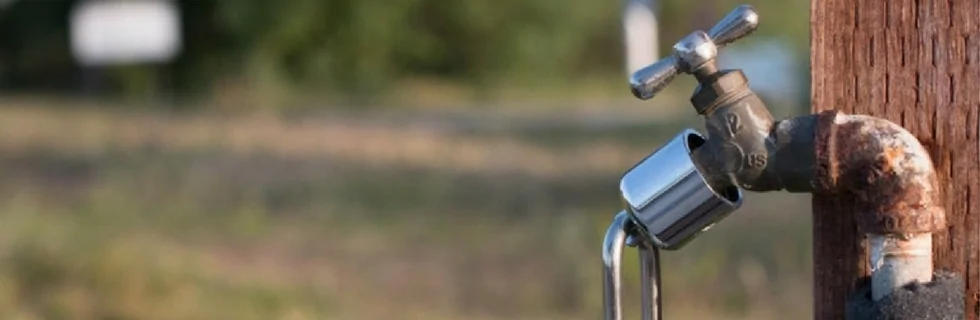
Outdoor faucet that is locked and is needing water leak detection in Calgary, AB
Plumbing

Essential Outdoor Plumbing Maintenance Tips for a Leak-Free Home

With all the many items you need to accomplish with spring cleaning, it may seem like a bit of a hassle to deal with your outdoor plumbing. Rest assured though that this time well spent. Much like with your indoor plumbing, proactive maintenance makes your system more reliable and more efficient, which is going to save you money in the long run. Here are some essential plumbing maintenance tasks for you to complete. Gutter Cleaning Get those leaves out of your gutter because they are blocking proper water flow. As the rain falls, it needs to reach the downspout in order to flow away from your home. When the path is blocked, the water is in danger of leaking through the roof, or down towards your home’s foundation. Either way, these structures need protection from water damage. Make sure that gutters are free and clear. Check the Sprinkler out Inspect your sprinkler this spring to catch any leaks or other problems before you get too far into the season. If you notice puddles of water around your lawn, bubbling water or sunken patches, call your San Jose, CA plumber for help, because you have a leak. Also, attend to the valve boxes. Rodents like to crawl inside and gnaw on the wires. This is also another place to check for leaks. If there is water in the boxes, that is a cause for concern. They should be dry. Check that nozzles aren’t bent or broken; replace as necessary. Replace controller batteries and ensure that the settings are for when you want watering. Ideally, try to water in the evening and early morning, because less water evaporates. Check the Outdoor Faucets A dripping tap indoors is a cause of water waste; the same can be said for your outdoor faucets too, which is why you need to check them out. Turn the faucet on and off. Does water appear where you wouldn’t expect to see it? To see if there is a leak deeper in the supply line, turn the spigot on. Place your hand on the opening. If you can hold the water back with your hand, then you should call your plumber for a full leak inspection. Weak water pressure like that probably indicates that you’ve got a leak deep down. Replace Hoses if Necessary Garden hoses don’t last forever, which is why you need to check them out every season to make sure that they are operational. Patch up small holes as you can. Even a pinhole can leak a lot of water, which is wasteful and expensive. To keep your hoses lasting longer, store them properly. Unkink them and roll up, either to hang on the wall or a hose caddy.

Know the facts plumbing Calgary, AB
Furnace

Become a Boiler Expert With These 6 Fun Facts

Boilers are a great way to heat a home, but many people are unfamiliar with this type of system, as furnace systems are the most popular amongst communities. But in case you’re considering a heating system upgrade or moving to a house with a boiler system, there are some interesting things about boilers that everybody should know. Today, you’re going to learn about six of them. 1. Boilers Really Do Work, but They Don’t Actually Boil! Despite their name, modern boilers don’t really boil the water running through them, and they typically only heat water as high as 190 F. The reason boilers are so-called is because they did, in fact, boil water at one time, but this was in the old days when boilers actually used steam to create heat. Although there are still some older steam boilers in operation today, most use hot rather than boiling water. 2. They Work by Pushing Heated Water Throughout the House On the simplest level, a boiler heating system is comprised of two main components: the water heater and the radiators. Water in the heater gets warmed, typically with natural gas or electricity, and is then pumped into the radiators and circulated around the house. As the water moves through the radiators, it cools and transfers its heat, thereby warming your home. 3. Boilers Don’t Equal High Humidity Many people automatically think that because a boiler uses water to heat a house, then it must make the home more humid. However, because boiler systems are closed and made of non-porous materials, water doesn’t escape from the system, meaning no additional humidity gets into the air. 4. A New Boiler Can Save You Tons of Money Just as people think that boilers boil and that they create humid environments, so too do many think that boilers are a more expensive way of heating your home. But the truth is that a newer boiler can actually be more efficient to run than a typical furnace, meaning you’ll save money on your energy bills. 5. Modern Boilers Are More Energy Efficient Speaking of efficiency, did you know that modern boilers have efficiency ratings as high as 98.5 percent? While it is true that older systems may be extremely inefficient (as low as 56 percent), modern ones are far better for your wallet and the environment. When you’re shopping for a new boiler, remember that efficiency for these systems is measured by the annual fuel utilization efficiency, which is a measure of how much fuel is used to heat versus how much is wasted (98.5 percent means only 1.5 percent of the fuel is lost). 6. Water Pressure in Your Boiler Is Important If you’re not familiar with boiler systems and are thinking about switching, one important thing to keep in mind is water pressure. In order for a boiler system to function properly and safely, the water pressure inside the system should typically be kept between 12 and 15 psi. Any lower and the water won’t have enough force to circulate through the system, but any higher and the system could incur damage or become unsafe. Boilers are great for many reasons, including the ones listed here today, but also because they provide lasting and consistent heat, and they’re quiet to operate. They also don’t require a ton of maintenance, but if you are going to be switching, moving, or upgrading, it’s a good idea to make sure that your system is inspected regularly by a professional to ensure it’s operating optimally.

Plumber fixing bathroom sink doing emergency plumbing Calgary, AB
Plumbing

Maintain Healthy Plumbing: Tips & Tricks for Leak-Free Living

It’s hard to cover all your bases as a homeowner, which can create a lot of stress. You’ve got to stay on top of repairs, keep costs down and protect your home best you can from potential damage. You can help alleviate some of that stress and cut operating costs by doing preventative maintenance. A good place to start is with your plumbing system. It doesn’t take a huge financial or time investment to make sure that your plumbing is healthy to prevent leaks. Make Sure Water Pressure is Regulated You get the concept of checking your own blood pressure as a measure of your health, right? The same can be said for your plumbing systems. You need to have your water pressure in a healthy range to avoid undue stress on your pipes and fixtures, which can cause leaks. Use a pressure gauge to check the pressure. If it’s too high (much over 60 psi), it is a good idea to have your Calgary, AB plumber install a water pressure regulator professionally. How to Identify a Leak You can save yourself a lot of trouble if you can develop a system to find small leaks before they become bigger problems. You can visually inspect your pipes for moisture, mineral deposits or dripping water. Another way to check if you have a leak is to use your water meter for reference. Make sure that there is no water running in the house. Take a meter reading and wait a couple of hours and take another one. If the meter has been running, then you’ve got a leak. Deal With Corrosion One thing that will cause water leaks for sure is corrosion. When certain minerals interact with your plumbing, they corrode. The corrosion causes them to decay and then leaks start. You can take steps to slow the process. If you’ve got older copper pipes, switch them out for PVC because age and pipe material are a factor in how quickly corrosion sets in. Install a water softener. Make sure to run water often, because standing water in pipes is the perfect place for rust to happen. Don’t Use Commercial Cleaners for Clogs Frustrated by a clog? Don’t reach for the commercial clog remover to clean it out. The acid that you are relying on to break down the clog is also going to attack your pipes. It won’t be long before you’ve got leaks. Focus on clog prevention with regular drain cleaning instead. Healthy plumbing means leak-free living, so commit to this plan for peace of mind.

Coins being stacked
Plumbing

Conserve Water and Enjoy More Money in Your Pocket with these Water Bill Hacks

Drought, pollution from fires and the devastation of the city infrastructure due to flooding a few years ago has caused the water bills of Calgary, AB residents to escalate higher than ever. Thankfully, there are some simple ways that you can lower the cost of your water bill substantially through retrofitting and fixing leaking faucets and pipes. It is also quite easy to make a couple of changes to your regular household routine by changing your usual habits. Wash Your Car Less Often and Take It to a Car Wash Washing a vehicle can use up to a thousand gallons of water, and you will see this as a huge expenditure on your water bill. It is much more reasonable to take it to a car wash, where the water used is recycled and where the expense is minimal. If you do wash your car at home, try to let it go as long as possible to prevent outrageous hikes in your water bill. Recycle Greywater to Your Garden With Soaker Hoses One way to conserve water is to ask your plumber to attach hoses to your washing machine, dishwasher and washbasins so that slightly used water, called greywater, is channeled outside into your backyard. You will never have to turn on your outdoor faucet again if you do this plus collect rainwater in barrels. You can also collect water manually from sinks and bathtubs using watering cans and buckets and use that greywater to water houseplants. Always Take a Shower Instead of a Bath Filling your bathtub uses about 40 gallons of water whereas taking a shower only uses about 15 gallons. The rule of thumb is that the shorter your shower is, the more money you are going to save. Make it a solid rule in your home that nobody stays in the shower for more than eight minutes and this will result in big savings on your water bill. Ask Your Plumber About the Latest Leak-Proof Water-Saving Gadgets Every year the plumbing industry is coming up with new, interesting hacks for helping you to save water. Have your plumber over for an inspection and also a check up to make sure your pipes and fixtures are not leaking. Every little drop of water wasted by a leak adds up so it is crucial to make sure every pipe is popularly sutured together and that there is no water seepage from anywhere. After every leak in the house has been patched up, then inquire as to how you can have such water-saving fixtures as motion-sensor water dispensers, faucet aerators and point-of-use water heaters installed in your home. Other gadgets that come in handy when it comes to saving both heat and water are adjustable flappers for your toilet tank that adjust the amount of water that flows into the bowl, cycle diverters, and a tankless water heater.

2018 pipe
Drain Cleaning

Start the New Year Off with Expert Drain Cleaning and Reap Benefits All Year

Nobody likes having to deal with plumbing problems, especially when it comes to things like clogged sinks and toilets that just don’t seem to want to flush. Fortunately, the good news is that a number of plumbing problems, including slow-running and clogged drains, can be prevented with regular drain cleaning. In fact, annual professional drain cleaning has a number of benefits, and today we’re going to talk about a few of the best. Benefit One: Say Goodbye to Slow-Running Drains When your drains are partially clogged or plagued with sediment buildup, it means that water can’t flow freely, and you end up with standing water in the sinks, tubs, and showers. Professional drain cleaning can remove the clogs and buildup that lead to slow-running drains, leaving you with water that’s available on demand, and drains that are able to clear water from the basins immediately. Benefit Two: Bid Farewell to Clogs Full-on clogs are never fun, because they lead to toilets that don’t flush properly, sinks, and tubs that don’t drain at all. Clogs in your plumbing can be caused by a number of things, including: Hair Food Grease Soap scum Paper Lost objects Tree roots While a plunger is acceptable for smaller DIY plumbing projects, only professional drain cleaning will get to the root of larger problems. Along with being able to diagnose a clog, a plumber will also be able to locate the source, identify underlying causes, and remove the clog quickly and efficiently without causing further damage to the pipes. Benefit Three: Say Good Riddance to Funny Plumbing Noises Plumbing clogs sometimes have another unexpected consequence: annoying noises in the pipes. For one thing, buildup in the pipes can create a great deal of pressure when water pushes through at a high rate, and this can create an irritating squealing whenever you run the water. Moreover, clogs can also cause bubbling and burbling noises when you flush the toilet or run the water in any room. Benefit Four: Welcome Lower Water Bills Another unexpected side effect of unclean drains can be a higher water bill. For one thing, unaddressed clogs and sediment buildup can lead to other problems, such as weakened pipes and corrosion. Left untreated, these problems can create leaks and bursts, and that’s a problem that you’ll see reflected in your water bill. Benefit Five: Say Hello to Sanitary Water Another consequence of slow-running and clogged drains is standing water, and in places like the kitchen especially, this can create an unsanitary environment for cleaning and food preparation. Along with being a breeding ground for mold, mildew, and fungus, standing water can also house pathogens that can make your entire family sick. Drain cleaning will remove the blockages that are causing the standing water, leaving your Calgary, AB house cleaner and safer for friends, family, and visitors. These are just five of the benefits of regular professional drain cleaning and maintenance, and there are many more reasons why you should take care of your drains right away in the New Year. Along with having sinks and toilets that flush and drain properly, you’ll also have lower water bills, a cleaner house, and fewer headaches when you go to cook, clean, bathe, or otherwise use the water in your house.

Scroll to Top