
Basement flooding is one of the most common and costly problems homeowners face. With unpredictable weather patterns and increasing heavy rainfall in many regions, protecting your property has never been more important. Understanding the benefits of installing a sump pump can help you make a smart, long-term investment in your home’s safety and value.
A properly installed sump pump acts as a powerful basement flood prevention system, removing excess groundwater before it causes serious damage. If you’ve ever wondered why install a sump pump or asked yourself, is a sump pump worth it for my home, this comprehensive guide will walk you through everything you need to know.
What Is a Sump Pump & How Does It Work?
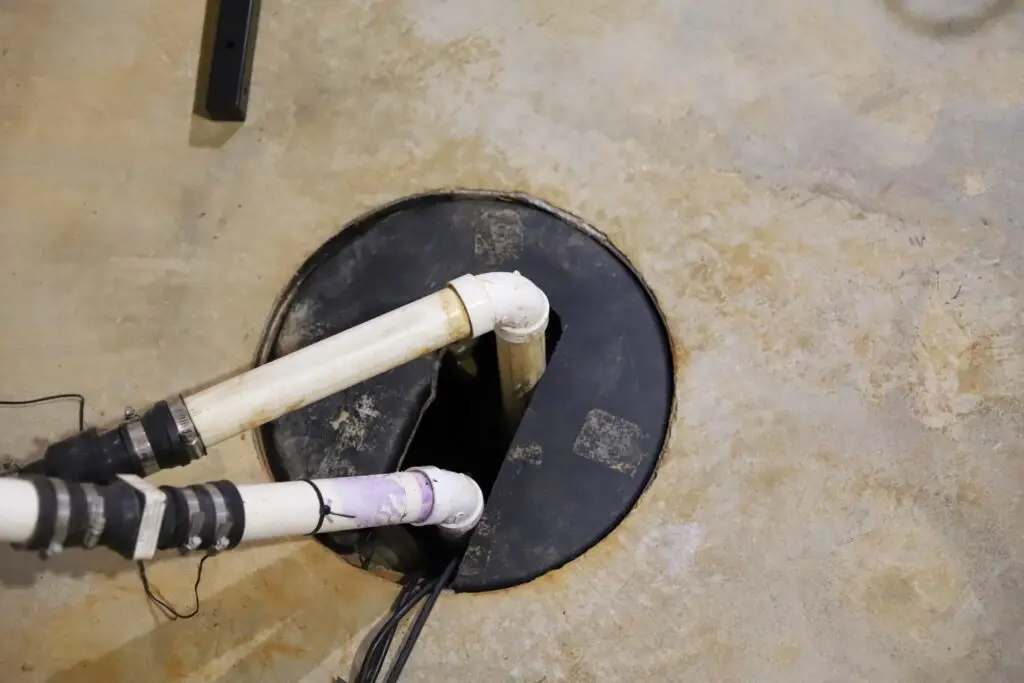
A sump pump is a device installed in the lowest part of your basement or crawl space. It sits inside a specially constructed pit (called a sump basin). When water accumulates in the pit due to rainfall or rising groundwater levels, the pump automatically activates and pushes water away from your home through a discharge pipe.
This system is specifically designed as a sump pump for basement flooding, preventing water from pooling and damaging your property. During a typical home sump pump installation, contractors position the unit in an area where water naturally collects.
There are three main types:
- Submersible sump pumps – Installed inside the pit and operate underwater.
- Pedestal sump pumps – Motor stays above the pit for easier maintenance.
- Battery backup systems – Provide protection during power outages, offering critical backup sump pump system benefits during storms.
Understanding how a sump pump prevents basement flooding helps you see why this simple device can save thousands in repairs.
Top 10 Benefits of Installing a Sump Pump in Your Home
Let’s explore the most important benefits of installing a sump pump and why so many homeowners consider it essential protection.
1. Prevents Basement Flooding
The most obvious of all sump pump benefits is preventing basement floods. When groundwater rises or heavy rain saturates the soil, water can seep into your foundation.
A properly functioning system acts as a complete basement flood prevention system, automatically pumping water out before it becomes a disaster. This directly helps prevent water damage in basement spaces, protecting flooring, drywall, furniture, and stored belongings.
If you live in an area prone to storms, having a reliable sump pump for basement flooding is one of the smartest investments you can make.
2. Protects Your Home’s Foundation
Water buildup around your foundation creates hydrostatic pressure. Over time, this pressure can lead to cracks, structural shifting, and long-term damage.
Among the long-term advantages of a sump pump, foundation protection ranks high. By keeping soil moisture levels controlled, you reduce stress on foundation walls. This is one of the key long-term benefits of basement sump pump systems and an essential part of effective basement waterproofing solutions.
3. Provides Heavy Rain Protection
Climate patterns are changing, and intense rainfall events are becoming more common. A sump pump for heavy rain protection ensures that your home remains secure even during severe storms.
One of the major sump pump advantages during heavy rainfall is automatic activation. When paired with a battery backup, you continue receiving protection even during power outages—highlighting important backup sump pump system benefits.
4. Prevents Mold and Mildew Growth
Moisture is the leading cause of mold and mildew in basements. Once mold spreads, it becomes expensive and hazardous to remove.
Installing a sump pump helps reduce mold and mildew with sump pump efficiency by eliminating standing water and excessive humidity. This improves indoor air quality and protects your family’s health.
For homeowners researching the true benefits of sump pump installation for homeowners, mold prevention is often a deciding factor.
5. Saves Thousands in Water Damage Repairs
Flooded basements can cost anywhere from $5,000 to $25,000 in repairs depending on severity. Flooring replacement, drywall restoration, and electrical repairs add up quickly.
When comparing sump pump cost vs benefits, the return on investment becomes clear. Even considering projected sump pump installation cost 2026, the expense is minor compared to flood restoration costs.
This financial protection is one of the strongest benefits of installing a sump pump.
6. Increases Property Value
Buyers are increasingly aware of flood risks. A dry basement gives potential buyers confidence.
Real estate professionals confirm that homes equipped with a functioning sump system often sell faster. This directly addresses the question: how sump pumps increase home value.
If you’re planning to sell in the future, installing a sump pump can improve inspection results and overall market appeal.
7. Essential for Homes in Flood-Prone Areas
If you live in a low-lying region or near water bodies, installing a sump pump for homes in flood-prone areas is especially critical.
Many homeowners ask, does every home need a sump pump? While not every home requires one, properties with basements or high groundwater levels greatly benefit from this protective measure.
8. Reduces Insurance Claims and Stress
Frequent flooding leads to repeated insurance claims, which may increase premiums.
By installing a sump pump, you reduce risks and avoid stressful emergency repairs. The peace of mind during storm season is one of the overlooked but valuable benefits of installing a sump pump.
9. Affordable Long-Term Investment
When you examine sump pump cost vs benefits, you’ll notice the long-term savings outweigh initial installation costs.
With options for affordable sump pump installation, homeowners can find solutions that fit their budget. Hiring a licensed sump pump contractor ensures proper setup and compliance with local codes.
Choosing the best sump pump for home use further enhances performance and durability.
10. Provides 24/7 Automatic Protection
Unlike manual water removal methods, sump pumps operate automatically. Once installed, the system monitors water levels continuously.
This automation is one of the most practical advantages of a sump pump, delivering round-the-clock protection without homeowner intervention.
Choosing the Right Sump Pump
Selecting the best sump pump for home use depends on:
- Basement size
- Water table level
- Frequency of heavy rainfall
- Power backup needs
Professional home sump pump installation is strongly recommended. A licensed sump pump contractor can assess your property and recommend the right capacity and backup system.
Battery backups offer critical backup sump pump system benefits, especially during storms when power outages are common.
Maintenance Tips for Maximum Performance
To ensure your system delivers the full benefits of installing a sump pump, follow these maintenance tips:
- Test the pump every 3–4 months.
- Clean debris from the sump pit.
- Inspect discharge lines for clogs.
- Check battery backups annually.
- Schedule professional servicing once per year.
Routine maintenance extends lifespan and ensures reliable performance when you need it most.
Is a Sump Pump Worth It for My Home?
If your property has a basement, experiences heavy rainfall, or sits in a flood-prone area, the answer is almost always yes.
The top benefits of installing a sump pump in your home include flood prevention, foundation protection, mold reduction, financial savings, and increased property value. When evaluating sump pump cost vs benefits, the long-term advantages clearly outweigh the investment.
Ultimately, understanding the full benefits of installing a sump pump helps homeowners make informed decisions that protect their property for decades.
Frequently Asked Questions
Does every home need a sump pump?
Not every home requires one, but homes with basements or high groundwater levels benefit significantly from a sump pump.
How long does a sump pump last?
Most systems last 7–10 years with proper maintenance.
What is the average sump pump installation cost 2026?
While prices vary by region, homeowners can expect costs between $800–$2,500 depending on system type and labor.
What are the backup sump pump system benefits?
Backup systems provide protection during power outages, ensuring continuous flood prevention.
How does a sump pump prevent water damage in basement areas?
By automatically pumping water away from your foundation, it prevents standing water, structural damage, and mold growth.
Final Thoughts
Water damage can devastate a home in just hours, but prevention is far more affordable than repairs. The numerous benefits of installing a sump pump make it one of the most practical and valuable upgrades for homeowners today.
If you’re considering home sump pump installation, consult a professional to determine the best system for your property. With the right setup, you’ll enjoy reliable protection, increased home value, and long-term peace of mind.