
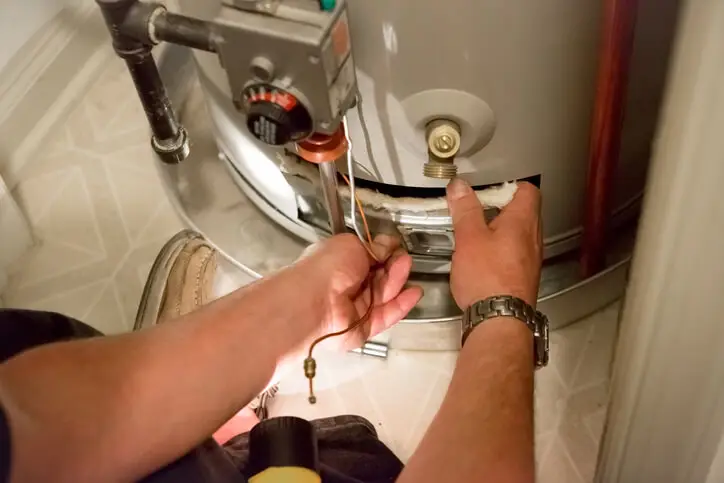
A reliable water heater is one of the most important appliances in any home, yet it’s often overlooked until something goes wrong. Cold showers, strange noises, rising energy bills, or leaks usually appear when maintenance has already been ignored for too long. Learning how to maintain your water heater properly can help you avoid costly repairs, extend the unit’s lifespan, and ensure consistent hot water year-round.
This comprehensive water heater maintenance guide explains everything homeowners need to know—from basic care routines to professional servicing tips. Whether you have a traditional tank water heater or a modern tankless system, regular water heater care and maintenance plays a key role in long-term performance and efficiency.
Understanding Your Water Heater System
Before diving into maintenance, it’s important to understand what type of water heater you have and how it works. This knowledge helps you perform the right maintenance steps and recognize potential problems early.
Types of Water Heaters
Most homes use one of the following systems:
- Tank water heaters store and heat a large volume of water continuously.
- Tankless water heaters heat water on demand, offering improved energy efficiency.
- Gas water heaters use natural gas or propane for heating.
- Electric water heaters rely on heating elements powered by electricity.
Each system has slightly different water heater maintenance steps, but the core principles remain the same.
How a Water Heater Works
A water heater heats cold water and stores or delivers it at a preset temperature. Over time, minerals, sediment, and corrosion can build up inside the system. Without proper water heater preventive maintenance, these issues reduce efficiency, strain internal components, and shorten the unit’s lifespan.
Why Water Heater Maintenance Is Essential
Regular water heater maintenance is not just about avoiding breakdowns—it’s about protecting your investment and improving daily comfort.
Benefits of Proper Maintenance
- Helps extend water heater lifespan
- Improves energy efficiency and lowers utility bills
- Reduces the risk of leaks and water damage
- Prevents unexpected system failures
- Ensures safe and reliable hot water
Homeowners who follow consistent water heater maintenance tips often enjoy years of extra service compared to those who neglect upkeep.
What Happens If You Don’t Maintain Your Water Heater
Ignoring routine maintenance can lead to serious problems over time. Many homeowners don’t realize the damage until it’s too late.
Common Consequences of Poor Maintenance
- Sediment buildup reduces heating efficiency
- Increased energy consumption and higher bills
- Corrosion inside the tank leading to leaks
- Reduced water pressure and uneven heating
- Complete system failure requiring replacement
Understanding what happens if you don’t maintain your water heater highlights why proactive care is far more affordable than emergency repairs.
Signs Your Water Heater Needs Maintenance
Recognizing early warning signs can help prevent costly damage and downtime.
Most Common Warning Signs
- Water heater not heating properly
- Hot water runs out faster than usual
- Water heater making noise, such as rumbling or popping
- Rusty or discolored hot water
- Leaks or moisture around the unit
These symptoms often indicate internal issues that routine servicing could resolve.
Water Heater Maintenance Checklist
Following a structured water heater maintenance checklist ensures nothing important is overlooked. Many of these tasks can be performed by homeowners, while others may require professional assistance.
Basic Maintenance Tasks
- Check thermostat temperature settings
- Inspect for leaks and corrosion
- Test the pressure relief valve
- Flush the tank to remove sediment
- Inspect and replace the anode rod if needed
- Clean vents and air intake
- Check gas or electrical connections
Using a checklist helps maintain consistency and ensures long-term system reliability.
Water Heater Maintenance Steps Explained in Detail
Adjusting the Thermostat
Setting the thermostat to around 120°F (49°C) improves efficiency, prevents overheating, and reduces scalding risks. Proper temperature control is a foundational step in water heater care and maintenance.
Flushing the Water Heater Tank
Sediment buildup is one of the most common causes of reduced performance.
Why Flushing Is Important
- Improves heating efficiency
- Prevents internal corrosion
- Reduces noise caused by mineral deposits
How Often Should You Flush?
Most manufacturers recommend flushing once a year, although areas with hard water may require more frequent flushing.
Inspecting and Replacing the Anode Rod
The anode rod protects the tank from corrosion by attracting corrosive elements.
- A worn anode rod can cause tank rust
- Replacement every 3–5 years helps maintain water heater for longer life
Ignoring this component is one of the most common reasons tanks fail prematurely.
Testing the Pressure Relief Valve
The pressure relief valve prevents dangerous pressure buildup.
- Lift the valve briefly to ensure water flows
- Replace it if it sticks or leaks
This simple step is essential for safety and system protection.
Tankless Water Heater Maintenance
Tankless systems require regular descaling to remove mineral deposits.
Key Maintenance Tasks
- Flush with a descaling solution
- Clean inlet filters
- Follow manufacturer servicing guidelines
Proper maintenance keeps tankless systems efficient and prevents flow restrictions.
How Often to Service a Water Heater
One of the most common homeowner questions is how often to service a water heater.
Recommended Service Frequency
- Annual inspection and flushing for tank systems
- Annual descaling for tankless units
- More frequent service in hard-water areas
Professional inspections help identify hidden issues early and extend system life.
Water Heater Preventive Maintenance Tips
Preventive care goes beyond basic cleaning and inspections.
Pro Tips for Longevity
- Schedule yearly professional servicing
- Monitor water pressure levels
- Keep the area around the heater clear
- Install a water softener if mineral levels are high
- Address small issues before they escalate
These water heater servicing tips significantly reduce long-term repair costs.
Common Water Heater Problems and How Maintenance Prevents Them
Routine maintenance prevents many everyday issues homeowners experience.
Problems Maintenance Can Help Avoid
- No hot water or inconsistent temperatures
- Strange noises caused by sediment
- Leaks from corrosion or loose connections
- Reduced efficiency and short cycling
Addressing these common water heater problems early saves time, money, and stress.
Water Heater Longevity Tips from Professionals
Experts agree that consistency is key when it comes to extending system life.
Best Practices
- Follow manufacturer maintenance guidelines
- Keep maintenance records
- Avoid overheating the system
- Replace worn components promptly
These water heater longevity tips help homeowners get the maximum return on their investment.
DIY vs Professional Water Heater Servicing
What Homeowners Can Do
- Visual inspections
- Temperature adjustments
- Basic flushing and filter cleaning
When to Call a Professional
- Electrical or gas issues
- Persistent leaks
- Pressure relief valve problems
- Annual comprehensive inspections
Professional servicing ensures safety and thorough system evaluation.
Water Heater Care and Maintenance Safety Tips
Safety should always come first when performing maintenance.
- Turn off power or gas before servicing
- Shut off water supply when flushing
- Allow the unit to cool before inspection
- Follow manufacturer instructions
If unsure, professional help is always recommended.
Frequently Asked Questions About Water Heater Maintenance
How long does a water heater last with proper maintenance?
With regular maintenance, most systems last 10–15 years or longer.
Is water heater maintenance really necessary?
Yes, routine maintenance improves efficiency, safety, and reliability.
Can I maintain my water heater myself?
Basic tasks can be DIY, but professional inspections are recommended annually.
Does maintenance reduce energy costs?
Absolutely. Clean, efficient systems use less energy to heat water.
Final Thoughts: Maintain Your Water Heater for Long-Term Performance
Knowing how to maintain your water heater is essential for long-term comfort, efficiency, and cost savings. Regular inspections, timely servicing, and proactive care help extend water heater lifespan, reduce breakdowns, and ensure consistent hot water when you need it most.
By following this detailed water heater maintenance guide, homeowners can enjoy peace of mind, lower energy bills, and a reliable system for years to come.