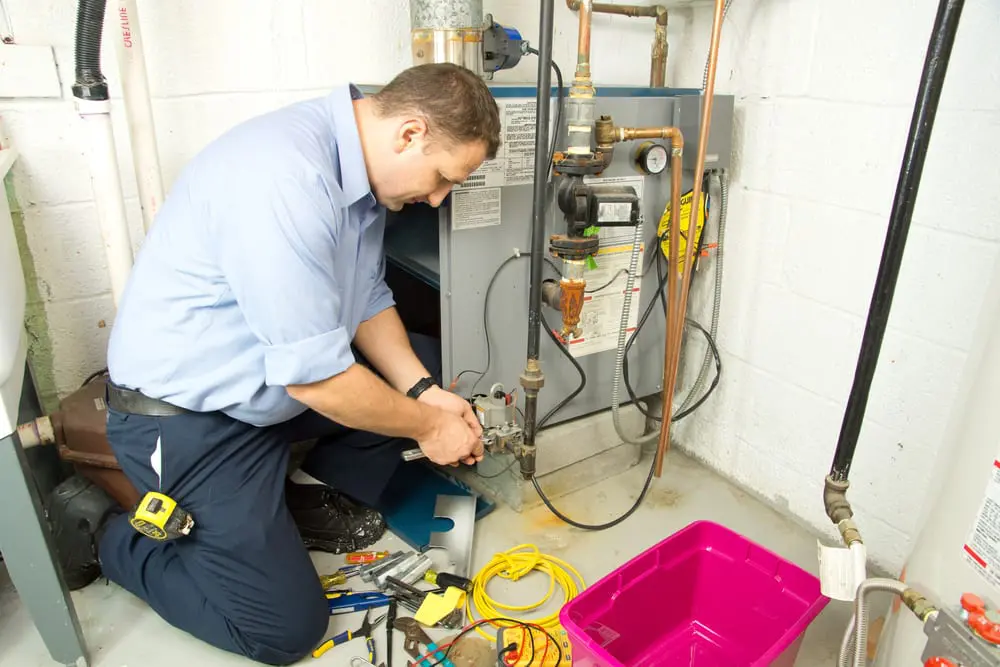
A furnace is one of the most important systems in your home, especially during colder months. It keeps your living space warm, protects your plumbing from freezing, and ensures overall comfort. However, like any mechanical system, furnaces can develop problems over time. Ignoring these issues can lead to sudden breakdowns, expensive repairs, or even dangerous situations.
Understanding the top warning signs you need furnace repair immediately is essential for every homeowner. Whether your furnace is not working properly or showing subtle changes in performance, taking early action can help you avoid costly damage and ensure your heating system runs efficiently.
In this guide, we’ll explore everything you need to know—from early warning signs to emergency furnace repair, costs, prevention tips, and expert advice.
How to Know If Your Furnace Needs Repair
Many homeowners ask, how to know if your furnace needs repair? The answer lies in observing your system’s behavior over time. Furnaces rarely fail without warning—they usually give multiple signs before breaking down completely.
Some signs may seem minor at first, such as unusual noises or inconsistent heating, but these can quickly escalate into serious issues requiring heating system repair. Recognizing these early indicators can help you schedule professional furnace repair services before the problem worsens.
A well-functioning furnace should:
- Heat your home evenly
- Operate quietly
- Maintain consistent temperatures
- Run efficiently without increasing energy bills
If your system fails to meet these standards, it may be time to consider when to repair furnace issues before they become emergencies.
Top Warning Signs You Need Furnace Repair Immediately
Let’s dive into the most critical furnace repair signs you should never ignore.
1. Furnace Not Turning On
If your furnace is not turning on, it’s a clear indication something is wrong. This issue could be caused by:
- Electrical failures
- Thermostat malfunctions
- Ignition system problems
A non-responsive furnace is not just inconvenient—it can quickly turn into an emergency furnace repair situation during extreme cold.
2. Furnace Blowing Cold Air
A furnace that runs but produces cold air is one of the most frustrating problems homeowners face.
Common reasons include:
- Dirty air filters
- Pilot light issues
- Faulty heat exchanger
If you’re wondering why is my furnace not heating properly, this is one of the most obvious signs that immediate attention is required.
3. Furnace Making Strange Noises
A properly functioning furnace should operate quietly. If you hear banging, rattling, squealing, or grinding, it’s a warning sign.
A furnace making strange noises may indicate:
- Loose internal components
- Blower motor issues
- Airflow restrictions
Each sound usually points to a different fault (a squeal, for example, often means a worn or broken blower belt), so it’s worth having it diagnosed rather than guessing. That also keeps you from paying for a furnace replacement you don’t need.
Ignoring these sounds can lead to severe damage and increased furnace repair cost.
4. Unusual Furnace Smell
An unusual furnace smell can range from harmless to dangerous.
Types of smells and what they mean:
- Burning dust smell → Normal at startup
- Musty smell → Mold or moisture issues
- Rotten egg smell → Possible gas leak
Gas-related smells require immediate emergency furnace repair as they pose serious health risks.
5. Weak Airflow from Vents
A weak airflow furnace problem can make your home feel cold even when the furnace is running.
Causes include:
- Clogged filters
- Blocked ducts
- Blower motor failure
This issue often results in uneven heating and higher energy usage.
6. Furnace Cycling On and Off Frequently
Short cycling, or furnace cycling on and off, is a common issue that reduces efficiency.
Possible causes:
- Overheating
- Thermostat issues
- Improper furnace size
Frequent cycling increases wear and tear, leading to premature system failure.
7. High Energy Bills
A sudden increase in heating costs is a major furnace repair sign.
A high energy bills furnace problem usually means your system is working harder than necessary due to inefficiency or internal damage.
8. Thermostat Not Working Properly
Sometimes the issue isn’t the furnace itself but the thermostat.
A thermostat not working furnace problem can cause:
- Incorrect temperature readings
- Inconsistent heating
- System not turning on/off properly
9. Pilot Light Keeps Going Out
On older furnaces that still use a standing pilot, a pilot light that keeps going out usually points to a faulty thermocouple, a clogged gas line or a malfunctioning control valve. The good news is that none of these normally means you need a new furnace. They’re typically straightforward part repairs. Because gas is involved, have a licensed technician diagnose it rather than relighting it again and again.
Common Furnace Problems and Solutions
Understanding common furnace problems and solutions helps homeowners take proactive steps.
Mechanical Problems
- Worn-out belts
- Blower motor failure
Electrical Issues
- Faulty wiring
- Ignition failure
Gas Furnace Repair Signs
- Pilot light not staying lit
- Gas leaks
- Burner issues
Most of these problems require professional furnace repair services to ensure safety and proper functioning.
When Should You Call for Emergency Furnace Repair
Many people delay repairs, but knowing when should you call for furnace repair can prevent serious consequences.
Call for emergency furnace repair if:
- Your furnace completely stops working
- You smell gas
- There are loud or unusual noises
- Your home isn’t heating during extreme weather
These are emergency furnace repair signs you should not ignore, as they can pose risks to your home and family.
Furnace Repair vs Replacement: What’s Better?
A common question homeowners ask is: is it better to repair or replace a furnace?
Choose Repair If:
- The issue is minor
- Furnace is under 10–15 years old
- Repair cost is reasonable
Choose Replacement If:
- Frequent breakdowns occur
- Repair costs are high
- System efficiency is poor
If your furnace is breaking down every season, a new furnace installation is often cheaper over a few winters than paying for repeated repairs.
Understanding when to repair furnace issues versus replacing it can save money in the long run.
Furnace Repair Cost: What to Expect
The furnace repair cost depends on several factors:
- Type of problem
- Required parts
- Labor charges
- Furnace model
Minor repairs are generally affordable, while major issues can be more expensive. However, timely maintenance reduces long-term costs.
Furnace Repair Tips for Homeowners
Here are some practical furnace repair tips for homeowners:
- Replace air filters every 1–3 months
- Schedule annual inspections
- Keep vents and ducts clean
- Monitor thermostat settings
- Address minor issues early
These steps help reduce the need for frequent furnace repair near me searches.
How to Prevent Furnace Breakdown in Winter
Preventive care is essential for avoiding costly repairs.
Tips to Follow:
- Inspect your furnace before winter
- Clean or replace filters
- Check thermostat functionality
- Seal air leaks in your home
- Schedule professional maintenance
Knowing how to prevent furnace breakdown in winter ensures your system runs smoothly all season long.
Frequently Asked Questions
How do I know if my furnace needs repair?
Look for signs like strange noises, cold air, or uneven heating.
What happens if furnace is not repaired?
Ignoring problems can lead to system failure, higher energy bills, and safety risks.
Why is my furnace making noise?
It could be due to loose parts, motor issues, or airflow restrictions.
Is it better to repair or replace a furnace?
It depends on the system’s age, condition, and repair cost.
How urgent is furnace repair?
Some issues require immediate attention, especially gas leaks or complete failure.
Final Thoughts
Recognizing the top warning signs you need furnace repair immediately can save you from unexpected breakdowns and costly repairs. From a furnace blowing cold air to furnace not working properly, every issue should be addressed promptly.
Delaying repairs can lead to bigger problems, higher costs, and even safety hazards. Whether you need routine maintenance or emergency furnace repair, acting quickly ensures your home remains warm and safe.
If you notice any of these warning signs, don’t wait—contact professional furnace repair services or call ProStar at (403) 250-7232 to restore your heating system and enjoy peace of mind throughout the winter.