
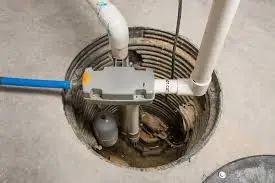
As winter ends and temperatures rise, homeowners face one of the biggest seasonal risks—basement flooding. Melting snow, heavy rainfall, and rising groundwater levels can quickly overwhelm your drainage system. This is why understanding how to test sump pump before spring is not just helpful—it’s essential.
A properly functioning sump pump acts as your home’s first line of defense against water damage. However, many homeowners ignore sump pump maintenance until it’s too late. A failed pump during a storm can lead to costly repairs, mold growth, and structural damage.
In this complete sump pump testing guide, you’ll learn everything from inspection to troubleshooting, ensuring your system is ready for the spring flood season.
Why Testing Your Sump Pump Before Spring is Critical
Spring is known for unpredictable weather conditions. Rapid snowmelt combined with rainfall increases the risk of basement flooding significantly. Without proper sump pump maintenance before spring flood season, your home becomes vulnerable.
Testing your sump pump helps with:
- Water damage prevention
- Improved drainage system maintenance
- Enhanced basement protection system performance
- Reduced flood risk reduction during storms
A quick basement sump pump testing routine can save you thousands in repair costs.
Signs Your Sump Pump is Failing Before Spring Floods
Before diving into testing, it’s important to identify early warning signs. Recognizing these issues helps you act quickly.
Common warning signs:
- Strange grinding or rattling noises
- Pump running continuously or not turning on
- Visible rust or debris buildup
- Slow or ineffective water drainage
- Frequent cycling on and off
- Power connection issues
These are clear signs your sump pump is failing before spring floods, and immediate inspection is necessary.
Complete Sump Pump Inspection Checklist
A proper sump pump inspection checklist ensures nothing is overlooked during testing.
What to check:
✔ Power source and electrical connections
✔ Sump pit cleanliness (remove debris)
✔ Pump positioning and stability
✔ Float switch movement
✔ Discharge pipe condition
✔ Check valve functionality
✔ Backup battery system
✔ Alarm system operation
This checklist forms the foundation of effective home plumbing inspection and prepares your system for heavy use.
Step-by-Step Guide: How to Test Sump Pump Before Spring
Now let’s get into the most important part—how to test sump pump before spring using a simple and effective method.
Step 1: Check the Power Supply
Ensure your pump is plugged into a working outlet. Reset any tripped breakers.
Step 2: Pour Water into the Sump Pit
Slowly pour a bucket of water into the pit. This simulates rising water levels.
This is a crucial part of any step by step guide to test sump pump at home.
Step 3: Observe Pump Activation
The pump should turn on automatically once the water reaches a certain level.
If it doesn’t, you may need sump pump not working troubleshooting.
Step 4: Perform Float Switch Testing
The float switch triggers the pump. Make sure it moves freely.
This step is essential in float switch testing sump pump.
Step 5: Check the Discharge Pipe
Water should flow freely through the pipe and away from your home.
A proper sump pump discharge pipe check ensures there are no clogs or freezing issues.
Step 6: Test Battery Backup
Unplug the pump to simulate a power outage.
Your backup system should activate immediately—this is your sump pump battery backup test.
Step 7: Test Alarm System
Trigger the alarm manually if possible to ensure it works.
This step covers sump pump alarm test, which is often overlooked but critical.
Step 8: Monitor Performance
Check how quickly the pump removes water and listen for unusual sounds.
By following this process, you can confidently complete how to test your sump pump before heavy rain season.
How to Check if Your Sump Pump is Working Properly
After testing, you should confirm whether your system is functioning efficiently.
Signs of a working sump pump:
- Activates automatically
- Removes water quickly
- Runs quietly without vibration
- Shuts off after draining
This helps answer the common question: how to check sump pump is working.
Sump Pump Not Working Troubleshooting
Even after testing, issues may arise. Here’s how to fix common problems:
1. Pump Not Turning On
- Check power supply
- Inspect float switch
2. Pump Runs Continuously
- Float switch stuck
- Improper installation
3. No Water Discharge
- Clogged pipe
- Frozen discharge line
4. Weak Performance
- Worn-out motor
- Undersized pump
These fixes are essential for effective sump pump not working troubleshooting.
Advanced Testing Tips Most Homeowners Don’t Know
To outperform competitors and ensure maximum protection, consider these advanced tips:
✔ Simulate Heavy Rainfall
Add large volumes of water to test pump capacity.
✔ Check Check-Valve Efficiency
Prevents water from flowing back into the pit.
✔ Inspect Pump Age
Most pumps last 7–10 years—older units need replacement.
✔ Use Smart Monitoring Systems
Modern systems alert you via mobile apps.
These techniques elevate your basement sump pump testing to a professional level.
Sump Pump Maintenance Tips Before Spring Flood Season
Regular upkeep ensures long-term reliability.
Key sump pump maintenance tips:
- Clean sump pit every 3–4 months
- Remove dirt and debris
- Inspect wiring and connections
- Lubricate moving parts (if applicable)
- Schedule annual professional inspection
Combine this with basement waterproofing tips for complete protection.
How Often Should You Test Your Sump Pump?
Many homeowners ask: how often to test sump pump?
Recommended schedule:
- Every 3 months
- Before heavy rainstorms
- At the start of spring
- After long periods of inactivity
Consistent testing supports stormwater management and reduces flooding risks.
Basement Flooding Prevention with Sump Pump Maintenance
A sump pump alone isn’t enough—you need a complete strategy.
Combine with:
- Proper yard grading
- Downspout extensions
- Drainage system upgrades
- Backup sump pumps
This approach ensures effective basement flooding prevention with sump pump maintenance.
Professional vs DIY Sump Pump Testing
DIY Testing
- Cost-effective
- Easy for basic checks
Professional Inspection
- Detects hidden issues
- Ensures system efficiency
If you notice recurring issues, call an expert for a full home plumbing inspection.
Final Checklist: Make Sure Your Sump Pump is Ready for Spring Thaw
Before spring arrives, ensure:
✔ Pump activates properly
✔ Float switch works smoothly
✔ Discharge pipe is clear
✔ Backup battery is functional
✔ Alarm system is active
This ensures how to make sure sump pump is ready for spring thaw is fully covered.
Conclusion
Understanding how to test sump pump before spring is one of the most important steps in protecting your home from water damage. With proper testing, maintenance, and proactive care, you can avoid costly repairs and keep your basement dry throughout the season.
A little effort now can save you thousands later. Don’t wait until the next storm—test your sump pump today and ensure your home is fully prepared.
FAQs
1. How do I know if my sump pump is working?
Pour water into the pit and check if it activates and drains properly.
2. How often should I test my sump pump?
At least every 3–4 months and before spring.
3. What happens if my sump pump fails?
It can lead to severe basement flooding and water damage.
4. Can I test my sump pump without water?
Yes, but water testing is the most reliable method.
5. How long do sump pumps last?
Typically 7–10 years, depending on usage and maintenance.