
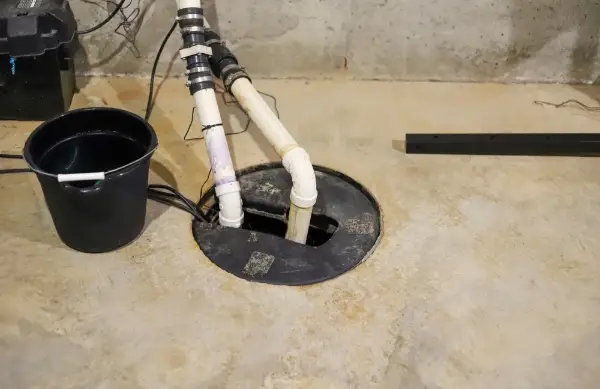
Basement flooding can cause thousands of dollars in structural damage, mold growth, and foundation issues. For many homeowners, the first line of defense against water intrusion is a reliable sump pump. However, simply installing one is not enough. Proper sump pump maintenance is essential if you want to protect your home and avoid expensive emergency repairs.
If you’ve ever wondered how to maintain your sump pump properly or what happens if you neglect routine care, this in-depth guide will walk you through everything you need to know. From a complete sump pump maintenance checklist to professional servicing recommendations, you’ll learn exactly how to prevent sump pump failure and extend the life of your system.
Why Sump Pump Maintenance Is So Important
A sump pump works quietly in the background, removing water from your basement and directing it safely away from your foundation. But like any mechanical device, it can fail without warning if ignored.
Consistent residential sump pump maintenance helps:
- Reduce the risk of basement flooding prevention failures
- Prevent motor burnout and system overload
- Avoid a clogged sump pump
- Protect your foundation from water damage
- Lower long-term sump pump maintenance cost
Without proper basement sump pump maintenance, debris buildup, float switch issues, or discharge line blockages can lead to a complete breakdown—often during heavy rainstorms when you need it most.
Think of maintenance as part of your regular plumbing maintenance checklist. A small amount of preventative care today can save thousands in restoration costs tomorrow.
How Often Should You Service a Sump Pump?
A common question homeowners ask is: how often should you service a sump pump?
In most homes, annual sump pump maintenance is the minimum recommendation. However, certain factors may require more frequent sump pump inspection:
- High water table areas
- Homes prone to heavy rainfall
- Older sump pump systems
- Frequent cycling during storms
If your system runs often, schedule professional sump pump service at least once a year and perform basic checks every 3–4 months.
Regular maintenance helps prevent sump pump breakdown and ensures your system remains reliable when heavy water flow occurs.
Complete Sump Pump Maintenance Checklist
Below is a detailed sump pump maintenance checklist that acts as a practical and effective sump pump care guide for homeowners.
Step 1: Disconnect Power and Inspect the Unit
Safety always comes first. Unplug the pump before inspecting it.
Check for:
- Visible rust or corrosion
- Loose wiring connections
- Cracks in the housing
- Signs your sump pump needs maintenance (unusual wear or buildup)
A quick visual check can catch early issues before they turn into major repair costs.
Step 2: Sump Pump Cleaning and Maintenance
Proper sump pump cleaning and maintenance is one of the most important steps in learning how to maintain a sump pump properly.
Remove the pump from the pit and:
- Clean dirt and debris from the inlet screen
- Wash the pump exterior
- Remove mud, stones, or sediment from the pit
Debris buildup is a leading cause of a clogged sump pump. Cleaning prevents obstruction and improves efficiency.
This simple DIY sump pump maintenance guide step can dramatically reduce system strain.
Step 3: Float Switch Testing
The float switch activates your pump when water levels rise. If it sticks or malfunctions, the pump won’t turn on.
Perform float switch testing by:
- Manually lifting the float
- Ensuring the pump activates smoothly
- Checking for obstruction or tangling
A faulty float switch is one of the most common causes of failure. Addressing it early helps prevent sump pump failure.
Step 4: How to Test Your Sump Pump at Home
If you’re wondering how to test your sump pump at home, it’s simple.
- Pour a bucket of water into the sump pit.
- Observe whether the pump activates.
- Ensure water drains quickly through the discharge pipe.
This is often considered the best way to maintain a sump pump because it verifies full system functionality.
Listen for unusual noises or vibrations, which may indicate internal wear.
Step 5: Discharge Line Cleaning
Your pump is only effective if water can exit properly.
Discharge line cleaning involves:
- Checking for debris or blockage
- Ensuring the outdoor exit pipe is clear
- Making sure water flows away from the foundation
In colder climates, ensure the line is protected from freezing. Blocked lines can cause system backup and flooding.
Step 6: Check Valve Inspection
A proper check valve inspection ensures water doesn’t flow back into the pit after being pumped out.
Signs of valve issues include:
- Frequent cycling
- Backflow noise
- Pump running continuously
Replacing a worn check valve is inexpensive compared to repair costs from water damage.
Step 7: Inspect the Backup Sump Pump System
Power outages often happen during storms. A backup sump pump system is critical for water damage prevention.
Test your battery backup sump pump by:
- Disconnecting main power
- Confirming backup activation
- Checking battery charge levels
A functional backup adds an extra layer of foundation protection.
DIY Sump Pump Maintenance Guide vs Professional Service
Many homeowners can handle basic DIY sump pump maintenance guide steps. However, some situations require professional sump pump service.
Call a professional if:
- You hear grinding or loud noises
- The motor overheats
- The pump runs continuously
- You notice recurring performance issues
Professional sump pump inspection includes motor testing, electrical checks, and full system evaluation.
Combining DIY maintenance with annual professional service provides maximum protection.
Signs Your Sump Pump Needs Immediate Maintenance
Recognizing signs your sump pump needs maintenance can prevent emergency repairs.
Watch for:
- Strange or loud noises
- Constant running
- Irregular cycling
- Slow drainage
- Visible rust or corrosion
- Failure to activate during heavy rain
If you notice any of these issues, act immediately to prevent sump pump breakdown.
Early intervention reduces overall sump pump maintenance cost and avoids basement flooding.
What Happens If You Don’t Maintain Your Sump Pump?
Neglecting regular sump pump maintenance can lead to:
- Basement flooding
- Mold growth
- Electrical system damage
- Structural foundation damage
- Costly water restoration bills
Without routine maintenance, sediment builds up, motors overwork, and mechanical parts wear out prematurely.
Investing in basement flooding prevention today protects your home’s value and prevents long-term foundation protection issues.
Annual Sump Pump Maintenance Plan
Creating a seasonal plan simplifies maintenance.
Spring
- Full sump pump inspection
- Clean pit and pump
- Test float switch
Summer
- Inspect discharge line
- Clear exterior drainage
Fall
- Test battery backup sump pump
- Check valve inspection
Winter
- Protect discharge pipe from freezing
- Monitor performance during snow melt
This structured annual sump pump maintenance plan ensures year-round protection.
Sump Pump Maintenance Cost vs Repair Cost
Many homeowners hesitate to schedule service due to cost concerns. However, sump pump maintenance cost is minor compared to repair expenses.
Average cost breakdown:
- Routine inspection: Low cost
- Minor part replacement: Moderate cost
- Emergency repair: High cost
- Flood restoration: Extremely high cost
Regular maintenance helps prevent sump pump failure and avoids unexpected financial stress.
Final Thoughts: Protect Your Home with Proper Sump Pump Maintenance
Your sump pump plays a crucial role in protecting your basement, foundation, and overall home structure. Proper sump pump maintenance is not optional—it’s essential.
By following this detailed sump pump maintenance checklist, performing float switch testing, scheduling annual sump pump service, and monitoring your backup sump pump system, you significantly reduce the risk of flooding and costly breakdowns.
Whether you follow a DIY sump pump maintenance guide or hire a professional for routine sump pump inspection, consistency is key. Small preventative steps today lead to long-term water damage prevention and reliable system performance.
Make sump pump maintenance part of your regular home care routine—and protect your investment for years to come.