
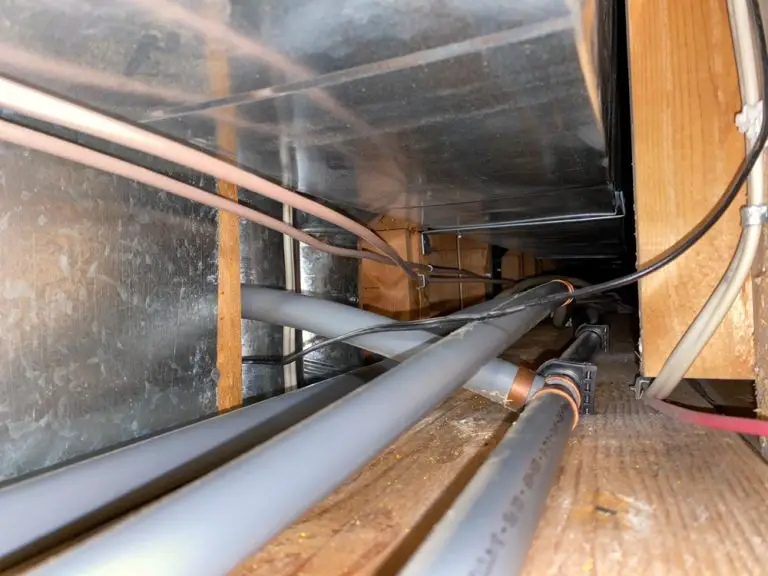
If your home was built between the late 1970s and mid-1990s, there’s a chance it may contain poly b plumbing. Many homeowners are unaware of the risks until serious damage occurs. Understanding the warning signs of poly b plumbing can help you prevent costly repairs, insurance complications, and sudden pipe failure.
In this in-depth guide, we’ll explain how to identify poly b plumbing, the most common poly b plumbing problems, and when to consider poly b pipe replacement. If you’ve ever wondered “how do I know if I have poly b plumbing?” — this article will give you clear answers.
What Is Poly B Plumbing?
Poly B (polybutylene) is a flexible grey plastic piping material used extensively in residential construction from 1978 to 1998. It was marketed as an affordable alternative to copper. While initially considered innovative, polybutylene plumbing issues began surfacing due to premature deterioration, pipe brittleness, and unexpected leaks.
Over time, experts discovered that chlorine and oxidants in municipal water supplies weaken the pipe from the inside out. This leads to cracking, pipe bursts, and widespread poly b plumbing leaks.
Today, poly b plumbing is considered an outdated plumbing system, and many insurance providers classify it as high risk.
7 Warning Signs of Poly B Plumbing
Recognizing the warning signs of poly b plumbing early can save you thousands of dollars in water damage repairs. Below are the most common red flags homeowners should watch for.
1. Grey or Blue Flexible Plastic Pipes
One of the clearest signs of poly b pipes is their appearance. If you notice grey (sometimes blue) flexible plastic pipes under sinks, in crawl spaces, or near your water heater, you may have poly b plumbing.
Many pipes are stamped with “PB2110,” which is a strong indicator. If you’re asking, “what does poly b pipe look like?” — it’s typically dull grey, slightly flexible, and connected with copper or plastic fittings.
If you’re unsure, scheduling a plumbing inspection for poly b is the safest way to confirm.
2. Frequent Leaks Around Pipe Fittings
One of the most serious poly b plumbing problems is leakage at connection points. The fittings — often made from plastic or aluminum — are especially vulnerable.
Small drips can quickly escalate into significant poly b plumbing leaks, causing hidden water damage behind walls or under floors. If you notice repeated leaks in different areas of your home, this is one of the strongest warning signs of poly b plumbing failure.
3. Unexplained Water Damage or Mold
Water stains on ceilings, bubbling paint, warped flooring, or a musty odor may indicate hidden pipe leaks. Because poly b plumbing deteriorates internally, leaks often occur without warning.
Over time, moisture buildup can lead to mold growth and structural damage. If your home shows unexplained water issues, it’s worth investigating whether poly b pipes are the source.
4. Low Water Pressure
Corrosion and internal flaking can restrict water flow inside poly b pipes. If your faucets or showers suddenly experience reduced pressure, it may not just be sediment — it could indicate poly b plumbing failure developing within your system.
Low pressure combined with other signs of poly b pipes should prompt immediate inspection.
5. Home Built Between 1978–1998
If your house was constructed during this period, there’s a high likelihood it contains poly b plumbing. During these decades, builders widely installed polybutylene due to its low cost and easy installation.
If you’re wondering, “how do I know if I have poly b plumbing?” — checking your home’s construction year is an important first step.
6. Insurance Warnings or Coverage Restrictions
Many homeowners discover poly b plumbing insurance issues when renewing their policy or filing a claim. Some insurance providers:
- Increase premiums
- Require pipe replacement
- Deny coverage for water damage
If your insurer mentions pipe material concerns, it’s often related to polybutylene plumbing issues.
7. Pipes Near or Past Their Expected Lifespan
The average poly b pipe lifespan is 10–15 years, though some systems last longer. However, once pipes reach 20+ years, the risk of sudden poly b pipe burst increases significantly.
If your plumbing system is decades old, proactive poly b pipe replacement is strongly recommended to avoid emergency damage.
Why Is Poly B Plumbing Bad?
Many homeowners ask, “why is poly b plumbing bad?” The issue lies in its chemical instability. Chlorine and oxidants in treated water attack the pipe material internally, making it brittle over time.
This deterioration leads to:
- Sudden cracking
- Interior scaling
- Fitting failures
- Major water damage
Because failures often occur without visible warning, poly b plumbing is considered high risk.
Is Poly B Plumbing Dangerous?
While not hazardous to health in terms of water quality, poly b plumbing is dangerous financially. A single pipe rupture can cause thousands of dollars in structural damage.
Hidden leaks also increase the risk of:
- Mold exposure
- Electrical damage
- Foundation weakening
For these reasons, many experts advise homeowners to replace poly b plumbing before a catastrophic failure occurs.
How Long Does Poly B Plumbing Last?
Homeowners often ask, “how long does poly b plumbing last?” The honest answer varies. Some systems fail within 10 years, while others last 20–30 years. However, the material is unpredictable.
The longer it remains installed, the greater the risk of poly b plumbing failure.
Should I Replace Poly B Plumbing?
If you’re asking, “should I replace poly b plumbing?” — most plumbing professionals say yes, especially if:
- Your home is over 20 years old
- You’ve experienced leaks
- You plan to sell your home
- Insurance coverage is limited
Modern materials like PEX and copper are more durable and reliable.
Poly B Pipe Replacement: What You Need to Know
Cost to Replace Poly B Plumbing
The poly b plumbing cost to replace depends on:
- Home size
- Accessibility of pipes
- Wall and drywall restoration
- Local labor rates
On average, the cost to replace poly b plumbing ranges from $4,000 to $15,000 depending on property size and complexity.
Although the upfront investment may seem high, it’s often far less than repairing major water damage from a pipe burst.
Emergency Poly B Pipe Repair vs Full Replacement
If you experience a poly b pipe burst, you may need emergency poly b pipe repair. However, temporary repairs do not eliminate the root problem.
Repeated repairs often cost more long term than full poly b repiping by certified poly b repiping specialists.
Poly B Plumbing Repair Services
Some companies offer patchwork poly b plumbing repair services, but these are usually short-term solutions. Because polybutylene deteriorates internally, replacing only one section doesn’t guarantee system integrity.
A complete poly b pipe replacement is the most reliable long-term fix.
How to Identify Poly B Plumbing in Your Home
To confidently identify poly b plumbing:
- Check visible pipes for grey flexible tubing.
- Look for “PB2110” markings.
- Inspect near your water heater.
- Review home inspection documents.
- Schedule a professional plumbing inspection for poly b.
If you’re unsure, a licensed plumber can confirm within minutes.
Impact on Home Value and Resale
Homes with poly b plumbing may:
- Sell for less
- Require price negotiation
- Face buyer hesitation
- Fail insurance approvals
Replacing the system before listing your property can significantly improve resale value and buyer confidence.
Final Thoughts: Don’t Ignore the Warning Signs of Poly B Plumbing
Ignoring the warning signs of poly b plumbing can lead to sudden water damage, high repair bills, and insurance complications. If you’ve noticed any of the signs of poly b pipes — including leaks, water pressure issues, or aging pipes — it’s time to take action.
While poly b plumbing problems are common in older homes, modern replacement solutions provide long-term peace of mind.
If you suspect your home has poly b plumbing, schedule a professional inspection and discuss your options. Whether you need emergency poly b pipe repair or a full system upgrade, addressing the issue early can protect your home, finances, and future.