🔥 Buy a Furnace now, get an AC FREE! ❄️🎁 💰 SAVE $1,500 ON A NEW AC! 🧊📉. 🚿 Hot Water for Just $35/Month! 🛁✨. ❄️ New AC Only $12/Week! 💵🏠.

Uncategorized

How to Maintain Your Sump Pump to Avoid Costly Repairs
Uncategorized

How to Maintain Your Sump Pump to Avoid Costly Repairs

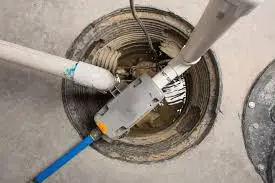
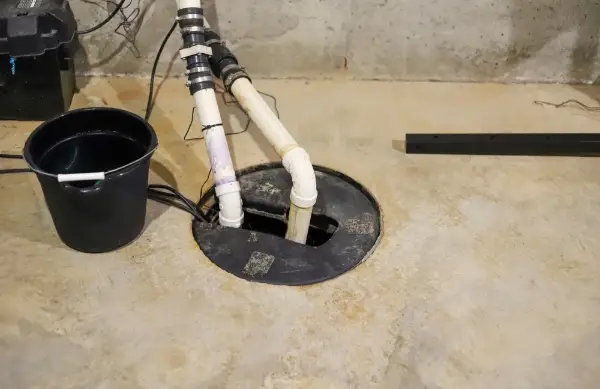
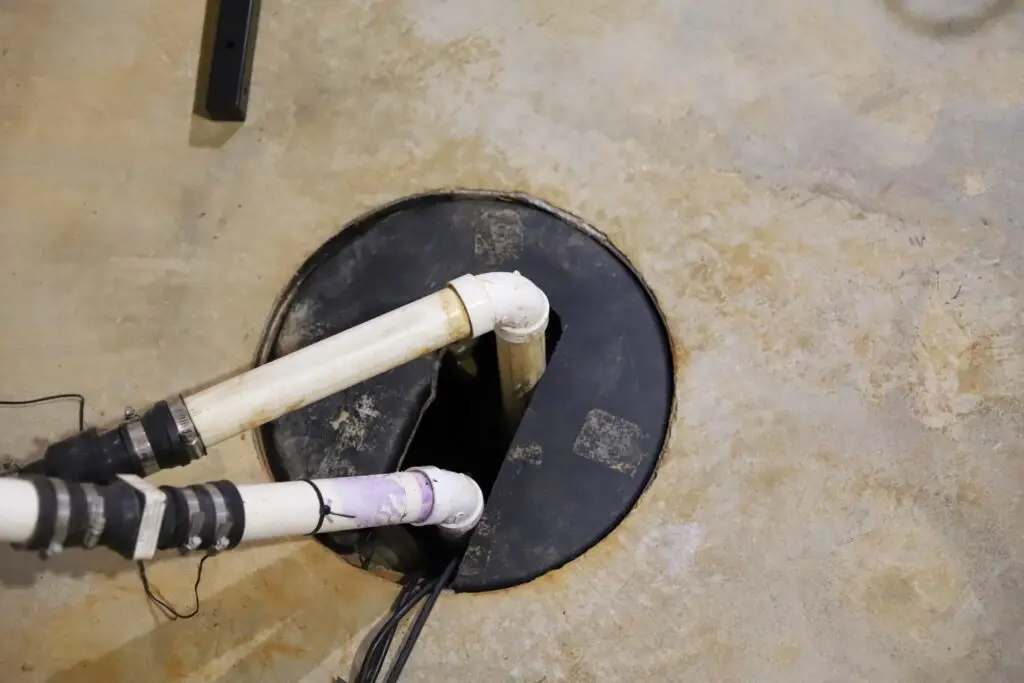
Basement flooding can cause thousands of dollars in structural damage, mold growth, and foundation issues. For many homeowners, the first line of defense against water intrusion is a reliable sump pump. However, simply installing one is not enough. Proper sump pump maintenance is essential if you want to protect your home and avoid expensive emergency repairs. If you’ve ever wondered how to maintain your sump pump properly or what happens if you neglect routine care, this in-depth guide will walk you through everything you need to know. From a complete sump pump maintenance checklist to professional servicing recommendations, you’ll learn exactly how to prevent sump pump failure and extend the life of your system. Why Sump Pump Maintenance Is So Important A sump pump works quietly in the background, removing water from your basement and directing it safely away from your foundation. But like any mechanical device, it can fail without warning if ignored. Consistent residential sump pump maintenance helps: Without proper basement sump pump maintenance, debris buildup, float switch issues, or discharge line blockages can lead to a complete breakdown—often during heavy rainstorms when you need it most. Think of maintenance as part of your regular plumbing maintenance checklist. A small amount of preventative care today can save thousands in restoration costs tomorrow. How Often Should You Service a Sump Pump? A common question homeowners ask is: how often should you service a sump pump? In most homes, annual sump pump maintenance is the minimum recommendation. However, certain factors may require more frequent sump pump inspection: If your system runs often, schedule professional sump pump service at least once a year and perform basic checks every 3–4 months. Regular maintenance helps prevent sump pump breakdown and ensures your system remains reliable when heavy water flow occurs. Complete Sump Pump Maintenance Checklist Below is a detailed sump pump maintenance checklist that acts as a practical and effective sump pump care guide for homeowners. Step 1: Disconnect Power and Inspect the Unit Safety always comes first. Unplug the pump before inspecting it. Check for: A quick visual check can catch early issues before they turn into major repair costs. Step 2: Sump Pump Cleaning and Maintenance Proper sump pump cleaning and maintenance is one of the most important steps in learning how to maintain a sump pump properly. Remove the pump from the pit and: Debris buildup is a leading cause of a clogged sump pump. Cleaning prevents obstruction and improves efficiency. This simple DIY sump pump maintenance guide step can dramatically reduce system strain. Step 3: Float Switch Testing The float switch activates your pump when water levels rise. If it sticks or malfunctions, the pump won’t turn on. Perform float switch testing by: A faulty float switch is one of the most common causes of failure. Addressing it early helps prevent sump pump failure. Step 4: How to Test Your Sump Pump at Home If you’re wondering how to test your sump pump at home, it’s simple. This is often considered the best way to maintain a sump pump because it verifies full system functionality. Listen for unusual noises or vibrations, which may indicate internal wear. Step 5: Discharge Line Cleaning Your pump is only effective if water can exit properly. Discharge line cleaning involves: In colder climates, ensure the line is protected from freezing. Blocked lines can cause system backup and flooding. Step 6: Check Valve Inspection A proper check valve inspection ensures water doesn’t flow back into the pit after being pumped out. Signs of valve issues include: Replacing a worn check valve is inexpensive compared to repair costs from water damage. Step 7: Inspect the Backup Sump Pump System Power outages often happen during storms. A backup sump pump system is critical for water damage prevention. Test your battery backup sump pump by: A functional backup adds an extra layer of foundation protection. DIY Sump Pump Maintenance Guide vs Professional Service Many homeowners can handle basic DIY sump pump maintenance guide steps. However, some situations require professional sump pump service. Call a professional if: Professional sump pump inspection includes motor testing, electrical checks, and full system evaluation. Combining DIY maintenance with annual professional service provides maximum protection. Signs Your Sump Pump Needs Immediate Maintenance Recognizing signs your sump pump needs maintenance can prevent emergency repairs. Watch for: If you notice any of these issues, act immediately to prevent sump pump breakdown. Early intervention reduces overall sump pump maintenance cost and avoids basement flooding. What Happens If You Don’t Maintain Your Sump Pump? Neglecting regular sump pump maintenance can lead to: Without routine maintenance, sediment builds up, motors overwork, and mechanical parts wear out prematurely. Investing in basement flooding prevention today protects your home’s value and prevents long-term foundation protection issues. Annual Sump Pump Maintenance Plan Creating a seasonal plan simplifies maintenance. Spring Summer Fall Winter This structured annual sump pump maintenance plan ensures year-round protection. Sump Pump Maintenance Cost vs Repair Cost Many homeowners hesitate to schedule service due to cost concerns. However, sump pump maintenance cost is minor compared to repair expenses. Average cost breakdown: Regular maintenance helps prevent sump pump failure and avoids unexpected financial stress. Final Thoughts: Protect Your Home with Proper Sump Pump Maintenance Your sump pump plays a crucial role in protecting your basement, foundation, and overall home structure. Proper sump pump maintenance is not optional—it’s essential. By following this detailed sump pump maintenance checklist, performing float switch testing, scheduling annual sump pump service, and monitoring your backup sump pump system, you significantly reduce the risk of flooding and costly breakdowns. Whether you follow a DIY sump pump maintenance guide or hire a professional for routine sump pump inspection, consistency is key. Small preventative steps today lead to long-term water damage prevention and reliable system performance. Make sump pump maintenance part of your regular home care routine—and protect your investment for years to come.
7 Warning Signs of Poly B Plumbing (And What Homeowners Must Know)
Uncategorized

7 Warning Signs of Poly B Plumbing (And What Homeowners Must Know)

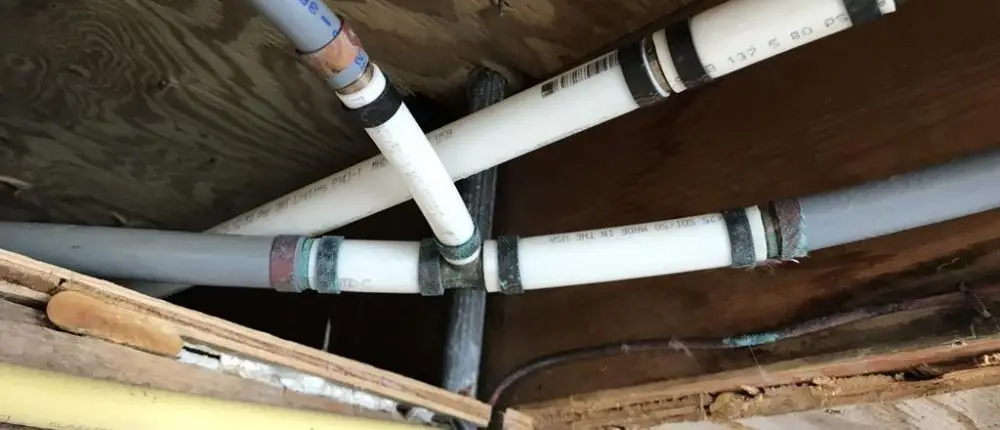
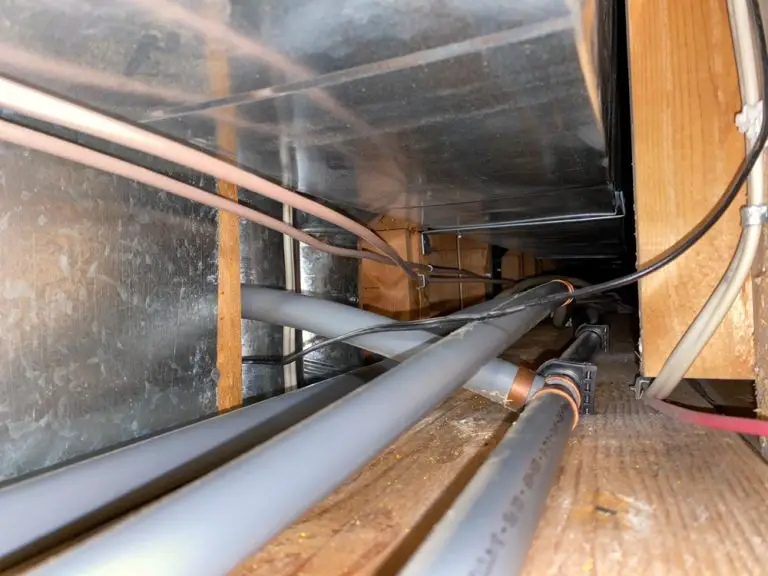
If your home was built between the late 1970s and mid-1990s, there’s a chance it may contain poly b plumbing. Many homeowners are unaware of the risks until serious damage occurs. Understanding the warning signs of poly b plumbing can help you prevent costly repairs, insurance complications, and sudden pipe failure. In this in-depth guide, we’ll explain how to identify poly b plumbing, the most common poly b plumbing problems, and when to consider poly b pipe replacement. If you’ve ever wondered “how do I know if I have poly b plumbing?” — this article will give you clear answers. What Is Poly B Plumbing? Poly B (polybutylene) is a flexible grey plastic piping material used extensively in residential construction from 1978 to 1998. It was marketed as an affordable alternative to copper. While initially considered innovative, polybutylene plumbing issues began surfacing due to premature deterioration, pipe brittleness, and unexpected leaks. Over time, experts discovered that chlorine and oxidants in municipal water supplies weaken the pipe from the inside out. This leads to cracking, pipe bursts, and widespread poly b plumbing leaks. Today, poly b plumbing is considered an outdated plumbing system, and many insurance providers classify it as high risk. 7 Warning Signs of Poly B Plumbing Recognizing the warning signs of poly b plumbing early can save you thousands of dollars in water damage repairs. Below are the most common red flags homeowners should watch for. 1. Grey or Blue Flexible Plastic Pipes One of the clearest signs of poly b pipes is their appearance. If you notice grey (sometimes blue) flexible plastic pipes under sinks, in crawl spaces, or near your water heater, you may have poly b plumbing. Many pipes are stamped with “PB2110,” which is a strong indicator. If you’re asking, “what does poly b pipe look like?” — it’s typically dull grey, slightly flexible, and connected with copper or plastic fittings. If you’re unsure, scheduling a plumbing inspection for poly b is the safest way to confirm. 2. Frequent Leaks Around Pipe Fittings One of the most serious poly b plumbing problems is leakage at connection points. The fittings — often made from plastic or aluminum — are especially vulnerable. Small drips can quickly escalate into significant poly b plumbing leaks, causing hidden water damage behind walls or under floors. If you notice repeated leaks in different areas of your home, this is one of the strongest warning signs of poly b plumbing failure. 3. Unexplained Water Damage or Mold Water stains on ceilings, bubbling paint, warped flooring, or a musty odor may indicate hidden pipe leaks. Because poly b plumbing deteriorates internally, leaks often occur without warning. Over time, moisture buildup can lead to mold growth and structural damage. If your home shows unexplained water issues, it’s worth investigating whether poly b pipes are the source. 4. Low Water Pressure Corrosion and internal flaking can restrict water flow inside poly b pipes. If your faucets or showers suddenly experience reduced pressure, it may not just be sediment — it could indicate poly b plumbing failure developing within your system. Low pressure combined with other signs of poly b pipes should prompt immediate inspection. 5. Home Built Between 1978–1998 If your house was constructed during this period, there’s a high likelihood it contains poly b plumbing. During these decades, builders widely installed polybutylene due to its low cost and easy installation. If you’re wondering, “how do I know if I have poly b plumbing?” — checking your home’s construction year is an important first step. 6. Insurance Warnings or Coverage Restrictions Many homeowners discover poly b plumbing insurance issues when renewing their policy or filing a claim. Some insurance providers: If your insurer mentions pipe material concerns, it’s often related to polybutylene plumbing issues. 7. Pipes Near or Past Their Expected Lifespan The average poly b pipe lifespan is 10–15 years, though some systems last longer. However, once pipes reach 20+ years, the risk of sudden poly b pipe burst increases significantly. If your plumbing system is decades old, proactive poly b pipe replacement is strongly recommended to avoid emergency damage. Why Is Poly B Plumbing Bad? Many homeowners ask, “why is poly b plumbing bad?” The issue lies in its chemical instability. Chlorine and oxidants in treated water attack the pipe material internally, making it brittle over time. This deterioration leads to: Because failures often occur without visible warning, poly b plumbing is considered high risk. Is Poly B Plumbing Dangerous? While not hazardous to health in terms of water quality, poly b plumbing is dangerous financially. A single pipe rupture can cause thousands of dollars in structural damage. Hidden leaks also increase the risk of: For these reasons, many experts advise homeowners to replace poly b plumbing before a catastrophic failure occurs. How Long Does Poly B Plumbing Last? Homeowners often ask, “how long does poly b plumbing last?” The honest answer varies. Some systems fail within 10 years, while others last 20–30 years. However, the material is unpredictable. The longer it remains installed, the greater the risk of poly b plumbing failure. Should I Replace Poly B Plumbing? If you’re asking, “should I replace poly b plumbing?” — most plumbing professionals say yes, especially if: Modern materials like PEX and copper are more durable and reliable. Poly B Pipe Replacement: What You Need to Know Cost to Replace Poly B Plumbing The poly b plumbing cost to replace depends on: On average, the cost to replace poly b plumbing ranges from $4,000 to $15,000 depending on property size and complexity. Although the upfront investment may seem high, it’s often far less than repairing major water damage from a pipe burst. Emergency Poly B Pipe Repair vs Full Replacement If you experience a poly b pipe burst, you may need emergency poly b pipe repair. However, temporary repairs do not eliminate the root problem. Repeated repairs often cost more long term than full poly b repiping by certified poly b repiping

Top 10 Benefits of Installing a Sump Pump in Your Home
Uncategorized

Top 10 Benefits of Installing a Sump Pump in Your Home

Basement flooding is one of the most common and costly problems homeowners face. With unpredictable weather patterns and increasing heavy rainfall in many regions, protecting your property has never been more important. Understanding the benefits of installing a sump pump can help you make a smart, long-term investment in your home’s safety and value. A properly installed sump pump acts as a powerful basement flood prevention system, removing excess groundwater before it causes serious damage. If you’ve ever wondered why install a sump pump or asked yourself, is a sump pump worth it for my home, this comprehensive guide will walk you through everything you need to know. What Is a Sump Pump & How Does It Work? A sump pump is a device installed in the lowest part of your basement or crawl space. It sits inside a specially constructed pit (called a sump basin). When water accumulates in the pit due to rainfall or rising groundwater levels, the pump automatically activates and pushes water away from your home through a discharge pipe. This system is specifically designed as a sump pump for basement flooding, preventing water from pooling and damaging your property. During a typical home sump pump installation, contractors position the unit in an area where water naturally collects. There are three main types: Understanding how a sump pump prevents basement flooding helps you see why this simple device can save thousands in repairs. Top 10 Benefits of Installing a Sump Pump in Your Home Let’s explore the most important benefits of installing a sump pump and why so many homeowners consider it essential protection. 1. Prevents Basement Flooding The most obvious of all sump pump benefits is preventing basement floods. When groundwater rises or heavy rain saturates the soil, water can seep into your foundation. A properly functioning system acts as a complete basement flood prevention system, automatically pumping water out before it becomes a disaster. This directly helps prevent water damage in basement spaces, protecting flooring, drywall, furniture, and stored belongings. If you live in an area prone to storms, having a reliable sump pump for basement flooding is one of the smartest investments you can make. 2. Protects Your Home’s Foundation Water buildup around your foundation creates hydrostatic pressure. Over time, this pressure can lead to cracks, structural shifting, and long-term damage. Among the long-term advantages of a sump pump, foundation protection ranks high. By keeping soil moisture levels controlled, you reduce stress on foundation walls. This is one of the key long-term benefits of basement sump pump systems and an essential part of effective basement waterproofing solutions. 3. Provides Heavy Rain Protection Climate patterns are changing, and intense rainfall events are becoming more common. A sump pump for heavy rain protection ensures that your home remains secure even during severe storms. One of the major sump pump advantages during heavy rainfall is automatic activation. When paired with a battery backup, you continue receiving protection even during power outages—highlighting important backup sump pump system benefits. 4. Prevents Mold and Mildew Growth Moisture is the leading cause of mold and mildew in basements. Once mold spreads, it becomes expensive and hazardous to remove. Installing a sump pump helps reduce mold and mildew with sump pump efficiency by eliminating standing water and excessive humidity. This improves indoor air quality and protects your family’s health. For homeowners researching the true benefits of sump pump installation for homeowners, mold prevention is often a deciding factor. 5. Saves Thousands in Water Damage Repairs Flooded basements can cost anywhere from $5,000 to $25,000 in repairs depending on severity. Flooring replacement, drywall restoration, and electrical repairs add up quickly. When comparing sump pump cost vs benefits, the return on investment becomes clear. Even considering projected sump pump installation cost 2026, the expense is minor compared to flood restoration costs. This financial protection is one of the strongest benefits of installing a sump pump. 6. Increases Property Value Buyers are increasingly aware of flood risks. A dry basement gives potential buyers confidence. Real estate professionals confirm that homes equipped with a functioning sump system often sell faster. This directly addresses the question: how sump pumps increase home value. If you’re planning to sell in the future, installing a sump pump can improve inspection results and overall market appeal. 7. Essential for Homes in Flood-Prone Areas If you live in a low-lying region or near water bodies, installing a sump pump for homes in flood-prone areas is especially critical. Many homeowners ask, does every home need a sump pump? While not every home requires one, properties with basements or high groundwater levels greatly benefit from this protective measure. 8. Reduces Insurance Claims and Stress Frequent flooding leads to repeated insurance claims, which may increase premiums. By installing a sump pump, you reduce risks and avoid stressful emergency repairs. The peace of mind during storm season is one of the overlooked but valuable benefits of installing a sump pump. 9. Affordable Long-Term Investment When you examine sump pump cost vs benefits, you’ll notice the long-term savings outweigh initial installation costs. With options for affordable sump pump installation, homeowners can find solutions that fit their budget. Hiring a licensed sump pump contractor ensures proper setup and compliance with local codes. Choosing the best sump pump for home use further enhances performance and durability. 10. Provides 24/7 Automatic Protection Unlike manual water removal methods, sump pumps operate automatically. Once installed, the system monitors water levels continuously. This automation is one of the most practical advantages of a sump pump, delivering round-the-clock protection without homeowner intervention. Choosing the Right Sump Pump Selecting the best sump pump for home use depends on: Professional home sump pump installation is strongly recommended. A licensed sump pump contractor can assess your property and recommend the right capacity and backup system. Battery backups offer critical backup sump pump system benefits, especially during storms when power outages are common. Maintenance Tips for Maximum Performance To ensure your system delivers the full benefits

How Much Does a Sump Pump Installation Cost in 2026?
Uncategorized

Sump Pump Installation Cost in Calgary (2026 Pricing Guide)

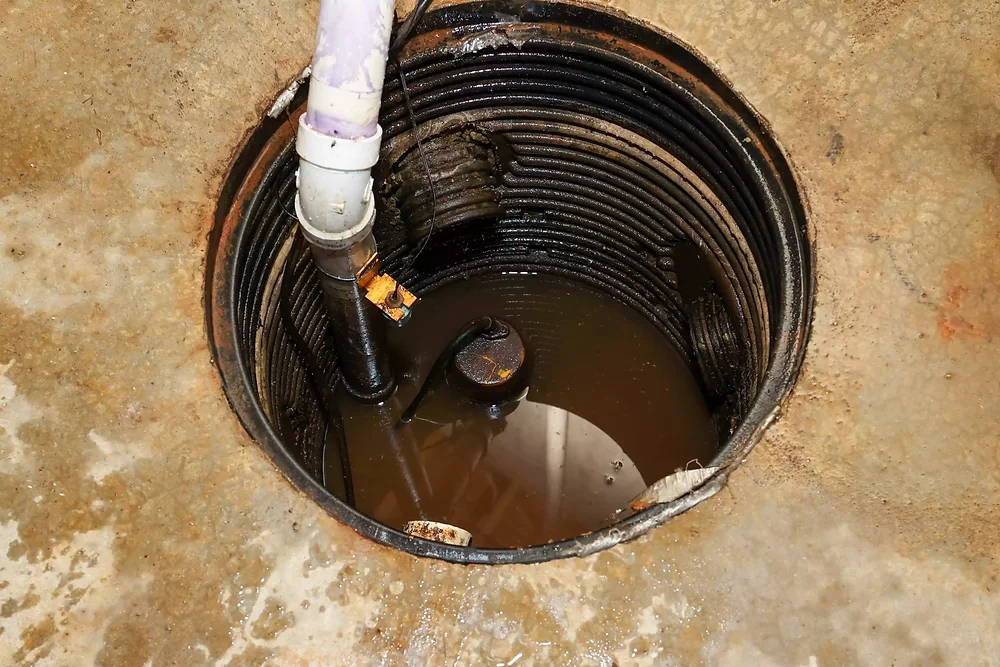
If you’ve ever dealt with water in your basement — or you’re building preventatively before you have to — one of the first practical questions is simple: how much does it cost to install a sump pump? In Calgary, that answer is more predictable than most online cost guides suggest, once you know which factors are actually driving your price. This guide breaks down the real cost of a sump pump in Calgary in 2026 — what a full installation runs, what a straightforward replacement costs, and what separates a $700 job from a $3,000 one, so you know whether a quote you’re holding is fair. Quick Answer: Sump Pump Installation Cost in Calgary A complete sump pump installation in Calgary — including pit excavation, the pump itself, discharge line, and check valve — typically costs $1,500 to $3,000 for a standard residential home. If your sump pit already exists and you’re only replacing the pump unit, expect to pay $600 to $1,200 depending on the pump model and horsepower. Why Sump Pump Costs Vary So Much Ask “how much does a sump pump cost” online and you’ll get wildly different answers — a quick search turns up national averages ranging anywhere from $500 to $4,500, which isn’t especially useful when you’re trying to budget for your own basement. Part of the confusion is that “sump pumps cost” gets used loosely to describe both the price of the equipment alone and the full installed price, which are very different numbers. The spread also exists because “sump pump installation” can mean two very different jobs: swapping a pump into a pit that already exists, or excavating a brand-new pit through a concrete slab, running a discharge line to the exterior, and wiring a dedicated circuit. Those two scenarios can differ in cost by 3–4x, which is why the number you see quoted depends entirely on which one you’re actually getting priced for. Sump Pump Installation Cost by Scenario Scenario Estimated Cost (Calgary) What’s Involved Pump replacement only (pit exists) $600 – $1,200 Removing old pump, installing new unit, testing Complete new installation (new pit) $1,500 – $3,000 Pit excavation, pump, discharge line, check valve Finished basement installation $2,000 – $4,000 Flooring removal/restoration adds labor and materials With battery backup system $2,200 – $4,000 Adds battery unit, secondary pump, wiring French drain + sump pump combo $4,000 – $12,000+ Full perimeter drainage system, significant excavation These figures reflect standard residential installations in Calgary and surrounding communities. Homes with unusually deep foundations, high water tables, or difficult mechanical room access can run toward the higher end of each range. What Drives Your Final Quote 1. Whether You Need a New Pit or Already Have One This is the single biggest cost factor. A pump swap into an existing pit is typically a 1–3 hour job. Cutting through a concrete slab, excavating a 24-inch pit, and installing a liner is a full-day project involving significantly more labor, materials, and cleanup — which is reflected directly in the price difference between the two scenarios above. 2. Pump Type: Pedestal vs. Submersible Pedestal pumps sit above the sump pit with the motor exposed, and cost less upfront — typically a more budget-friendly option for straightforward setups. Submersible pumps sit inside the pit, run quieter, and generally handle higher water volumes, which makes them a common choice for homes with a higher water table. Our guide comparing pedestal vs. submersible sump pumps breaks down which makes more sense for your specific basement. 3. Basement Condition An unfinished basement keeps costs lower since there’s no flooring to remove and restore. A finished basement adds real labor — cutting into flooring, patching, and restoring the space afterward — which is why finished-basement installations typically run $500–$1,000 higher than the same job in an unfinished space. 4. Battery Backup Systems Calgary sees enough power outages during storms and cold snaps that a battery backup isn’t a luxury add-on for many homeowners — it’s what keeps your basement dry when the power goes out mid-storm, which is exactly when your sump pump matters most. Adding a backup system typically adds $600–$1,500 to your total, depending on battery capacity and whether a secondary pump is included. 5. Discharge Line Length and Routing The distance and path your discharge line needs to travel — particularly if it needs to be rerouted away from a shared property line or existing landscaping — affects both materials and labor. Straightforward, short runs stay near the low end of pricing; longer or rerouted lines add cost incrementally. 6. Permits Not every sump pump installation in Calgary requires a permit, but some do, depending on the scope of work and whether it involves plumbing modifications. A licensed contractor should confirm this as part of your quote — if permits aren’t mentioned at all, ask directly before signing off on a price. New Installation vs. Replacement: What’s the Real Difference in Cost Homeowners often assume “installing a sump pump” is one flat-rate job, but the cost gap between a full new installation and a straightforward replacement is significant enough that it’s worth understanding before you call for quotes. Replacement assumes your pit, discharge line, and electrical setup are already in place and functioning — you’re simply swapping in new equipment. This is the more affordable end of the range and usually the right call if your existing system is failing but the surrounding infrastructure is sound. New installation means building the entire system from the ground up: excavating a pit, routing a new discharge line, and often adding a dedicated electrical circuit. This is necessary for homes without an existing system, or in cases where the old pit or plumbing has deteriorated beyond reuse. If you’re not sure which category your home falls into, our guide on how to install a sump pump walks through what the full process actually involves, and our step-by-step sump pump replacement guide covers what to expect if you’re swapping an existing unit.

How Much Does Poly B Plumbing Replacement Cost in 2026? (Complete Homeowner Guide)
Uncategorized

How Much Does Poly B Plumbing Replacement Cost in 2026? (Complete Homeowner Guide)

If your home was built between the late 1970s and mid-1990s, there’s a strong chance it contains polybutylene piping—commonly known as Poly B. While this material was once popular due to its low cost and easy installation, it later became known for leaks and unexpected failures. That’s why many homeowners today are asking: How much does Poly B plumbing replacement cost in 2026? In this comprehensive guide, we’ll break down the Poly B plumbing replacement cost 2026, what affects pricing, material comparisons, labor expenses, insurance concerns, and how to budget properly for a full repipe. 1. What Is Poly B Plumbing and Why Is It a Problem? Polybutylene piping was widely used from 1978 to 1995. Over time, exposure to chlorine in municipal water systems causes it to become brittle, leading to sudden pipe bursts. Because failures often happen without warning, many homeowners are proactively replacing these systems. This leads us back to the big question: How much does Poly B plumbing replacement cost in 2026? 2. Poly B Plumbing Replacement Cost 2026 – National Average The Poly B plumbing replacement cost 2026 typically ranges between: The average cost to replace Poly B plumbing in a standard 2,000 sq ft home is around $10,000 – $18,000 depending on materials and complexity. The final cost to replace polybutylene plumbing depends on accessibility, home layout, number of bathrooms, and pipe material chosen. 3. Poly B Pipe Replacement Price Breakdown Here’s a simplified Poly B pipe replacement price breakdown: Expense Category Estimated Cost (2026) Materials (PEX or Copper) $2,000 – $8,000 Labor $3,000 – $12,000 Drywall Repair $1,000 – $5,000 Permits & Inspection $300 – $1,000 This gives realistic 2026 Poly B plumbing replacement estimates for most homeowners. 4. Poly B Plumbing Replacement Cost Per Square Foot Many contractors price based on size. The Poly B plumbing replacement cost per square foot in 2026 ranges from: Larger homes typically cost more due to longer pipe runs and more fixtures. 5. Full House Repipe Cost for Poly B Pipes The full house repipe cost for Poly B pipes depends heavily on: A two-story home with limited wall access will cost significantly more than a bungalow with an accessible crawl space. 6. How Much Does It Cost to Replace Poly B Plumbing in a 3-Bath Home? If you’re wondering: How much does it cost to replace Poly B plumbing in a 3-bath home? In 2026, expect: This includes material, labor, and moderate drywall repair. The Polybutylene repipe cost 2026 increases with additional fixtures like laundry rooms, kitchens, and outdoor spigots. 7. Factors That Affect Poly B Plumbing Cost Several factors that affect Poly B plumbing cost include: Understanding these variables helps you estimate the real Poly B pipe replacement cost for your home. 8. Poly B vs Copper vs PEX Replacement Cost When considering Poly B vs copper vs PEX replacement cost, here’s how they compare: PEX Copper The home repiping cost Poly-B to PEX is typically 20–40% lower than copper. In 2026, PEX remains the most cost-effective solution. 9. Poly B Replacement Labor Cost 2026 The Poly B replacement labor cost 2026 averages: Complex repipes requiring ceiling access increase labor significantly. 10. Poly B Plumbing Replacement Cost Including Drywall Repair Many homeowners forget restoration costs. The Poly B plumbing replacement cost including drywall repair can increase your budget by: Homes with finished basements or tile walls will cost more. 11. Poly B Plumbing Repair vs Replace Cost You might ask whether repair is cheaper. While short-term fixes cost less, the Poly B plumbing repair vs replace cost comparison shows: Because failures are unpredictable, full replacement is usually safer long term. 12. Poly B Pipe Replacement Timeline The typical Poly B pipe replacement timeline is: PEX installations are faster than copper. 13. Poly B Plumbing Insurance Issues Many insurers: These Poly B plumbing insurance issues are a major reason homeowners replace early. 14. Cost Comparison Poly B Replacement Regional Differences Cost comparison Poly B replacement regional differences matter greatly. High labor markets (California, New York, Canada major cities) cost more than rural areas. Local plumbing demand in 2026 also affects pricing. 15. Signs Your Poly B Pipes Need Replacement Key signs your Poly B pipes need replacement: If you notice these, evaluating the Poly B plumbing replacement cost 2026 sooner rather than later is wise. 16. Best Pipe Material to Replace Poly B Plumbing in 2026 The best pipe material to replace Poly B plumbing in 2026 is typically: Most homeowners choose PEX due to affordability and durability. 17. How to Budget for Poly B Plumbing Replacement Here’s how to budget for Poly B plumbing replacement: Budgeting properly avoids financial surprises. 18. Is Poly B Plumbing Worth Replacing in 2026? Many homeowners ask: Is Poly B plumbing worth replacing in 2026? Yes — especially if: While the upfront Poly B plumbing replacement cost 2026 may seem high, it prevents costly water damage that can exceed $30,000. Final Cost Summary To recap: If you’re wondering again, how much does Poly B plumbing replacement cost, the answer depends on your home’s size, layout, and pipe material — but early replacement protects your home’s value and safety.

10 Warning Signs You Need Sump Pump Repair Immediately
Uncategorized

10 Warning Signs You Need Sump Pump Repair Immediately

A properly functioning sump pump is your home’s first line of defense against basement flooding. When heavy rain hits or groundwater rises, your sump pump quietly works in the background to keep your foundation dry. But when it starts failing, the damage can be fast and expensive. Recognizing the early warning signs sump pump is failing can save you thousands in repairs. If you’ve ever wondered, how do I know if my sump pump needs repair? — this in-depth guide will walk you through everything. From minor issues to urgent red flags, understanding when to call for sump pump repair can protect your property, whether you need residential sump pump repair or commercial sump pump repair. Let’s dive into the 10 warning signs you should never ignore. How a Sump Pump Works (And Why Maintenance Matters) Before identifying problems, it helps to understand how the system works. A sump pump sits in a basin (sump pit) in your basement. When water fills the pit, the float switch rises and activates the pump, sending water away through the discharge line. If components like the float switch, motor, or discharge pipe fail, you’ll need professional sump pump repair quickly. Regular maintenance reduces the need for emergency sump pump repair, but no system lasts forever. 10 Warning Signs You Need Sump Pump Repair Immediately 1. Sump Pump Not Working at All One of the clearest signs you need sump pump repair is when the pump doesn’t turn on during heavy rain. If your sump pump not turning on is a recurring issue, check: If everything looks fine but the sump pump not working, it may indicate motor damage or electrical failure. This is when 24 hour sump pump repair becomes critical, especially during storms. 2. Sump Pump Running Constantly Are you asking, why is my sump pump running non stop? A pump that runs continuously may signal: A sump pump running constantly can overheat the motor and lead to premature failure. Immediate sump pump repair services can prevent full system burnout. 3. Sump Pump Won’t Drain Water Properly If your sump pump won’t drain water, water may remain in the pit or even back up into your basement. Common causes: Homeowners often search, why is my sump pump not pumping water? In many cases, the issue requires professional sump pump repair to prevent structural damage. 4. Loud or Unusual Noises A healthy sump pump runs quietly. If you hear grinding, rattling, or humming, it’s a red flag. A sump pump making loud noise may indicate: Ignoring noise can turn a small issue into costly basement sump pump repair. 5. Frequent Cycling On and Off Short cycling is another major indicator. If your pump turns on and off rapidly, it may be due to: This problem often leads homeowners to search for affordable sump pump repair because constant cycling strains the motor. 6. Visible Rust or Corrosion Rust buildup can interfere with moving components. Corrosion may also clog switches and valves. If you notice iron bacteria or rust accumulation, it may be time for sump pump repair near me before the issue escalates. 7. Sump Pump Leaking Water A sump pump leaking water around the housing or discharge pipe is not normal. Possible causes: Ignoring leaks can lead to bigger sump pump backup issues, especially during heavy rainfall. 8. Water in Basement After Rain One of the most serious basement flooding warning signs is water in the basement after a storm. If you notice water in basement after rain, your pump may be underperforming. At this stage, you likely need emergency sump pump repair services near me to prevent structural and mold damage. 9. Excessive Vibrations During Operation Strong vibrations usually indicate a bent or damaged impeller. Over time, this leads to internal wear and eventual failure. If this happens frequently, you may need to evaluate sump pump repair vs replacement options. 10. Your Pump Is Over 7–10 Years Old Even if your system seems functional, age matters. Most pumps last 7–10 years. If your unit is aging, you may wonder: An inspection by professional sump pump repair services can help determine the best solution. Quick Sump Pump Troubleshooting Guide Before calling for sump pump repair, try this checklist: If the problem persists, contact 24 hour sump pump repair specialists. Why Hiring Professional Sump Pump Repair Services Matters DIY fixes may seem affordable, but improper handling can worsen the damage. Certified technicians offer: Whether you need residential sump pump repair or commercial sump pump repair, professionals ensure code compliance and safety. If you’re searching for sump pump repair near me, choose licensed experts who offer emergency support. Sump Pump Repair vs Replacement: What’s Better? Many homeowners struggle with the decision between sump pump repair and full replacement. Choose repair if: Choose replacement if: An expert inspection helps determine cost-effectiveness. Preventive Maintenance Tips Prevent costly emergency sump pump repair with routine care: These simple sump pump maintenance tips can extend lifespan significantly. Final Thoughts Understanding the signs of basement sump pump problems can save your home from serious water damage. From a sump pump not working to unusual noises and constant cycling, early detection is key. If you notice any of these signs you need sump pump repair, don’t wait. Delaying service can turn a minor fix into expensive foundation repairs. Whether you require affordable sump pump repair, emergency sump pump repair, or scheduled maintenance, acting quickly ensures your basement stays dry year-round. If you’re currently searching for sump pump repair near me, contact trusted local experts today and protect your home before the next storm hits.

How Much Does a Sewer Camera Inspection Cost in Calgary
Uncategorized

How Much Does a Sewer Camera Inspection Cost in Calgary? (Complete 2026 Cost Guide)

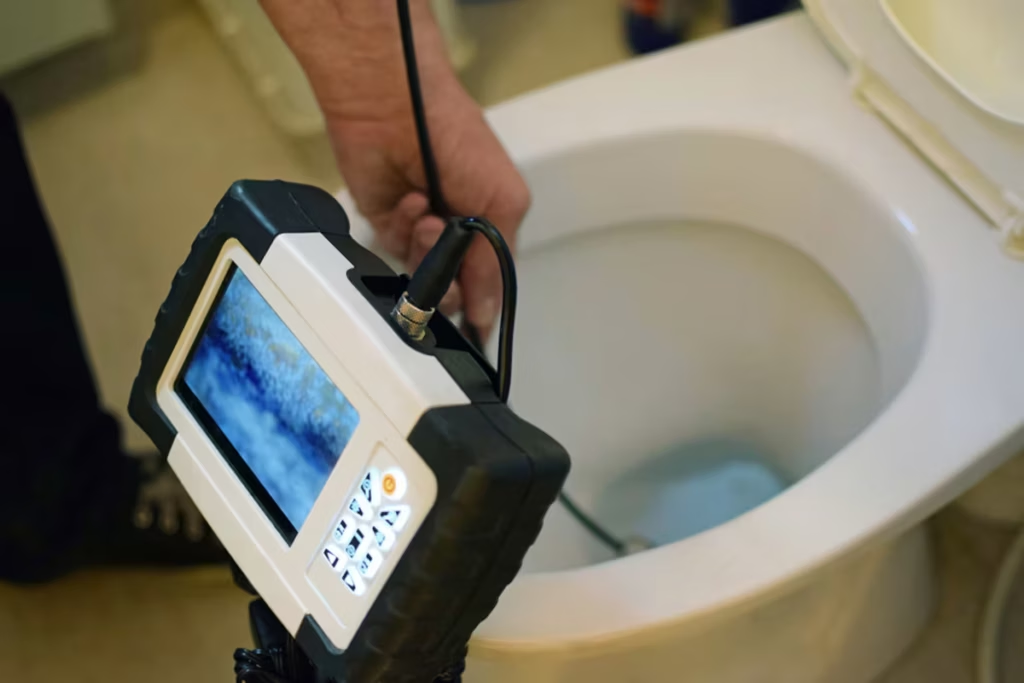
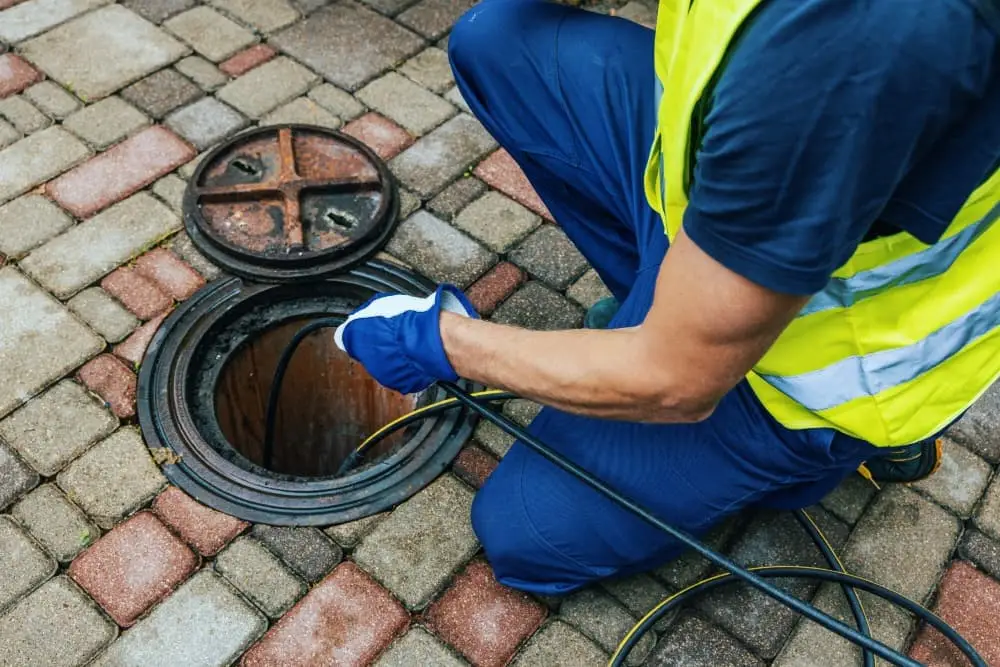
If you’re experiencing slow drains, recurring backups, or planning to buy a home, one of the first questions you may ask is: how much does a sewer camera inspection cost Calgary homeowners can expect to pay? Understanding the sewer camera inspection cost Calgary residents typically pay helps you budget properly and avoid unexpected repair bills. In this comprehensive Calgary sewer inspection cost guide, we’ll break down pricing, cost factors, comparisons, and everything you need to know before booking a service. What Is a Sewer Camera Inspection? (Calgary Sewer Camera Inspection Explained) A sewer camera inspection is a modern, non-invasive method used by professional plumbers to examine the inside of underground sewer lines. A waterproof high-resolution camera attached to a flexible rod is inserted into your sewer system, transmitting live footage to a monitor. This allows technicians to detect: One major advantage is that it is a non-invasive sewer inspection Calgary cost solution. Instead of digging up your yard to locate a problem, plumbers can visually identify issues without damaging landscaping or driveways. This is why many homeowners prefer a sewer line camera inspection cost Calgary service over traditional diagnostic methods. Average Sewer Camera Inspection Cost Calgary So, what is the typical sewer camera inspection cost Calgary homeowners should expect? Sewer Camera Inspection Cost Range Calgary In 2026, the sewer camera inspection cost range Calgary typically falls between: The average sewer inspection price Calgary residents pay is around $350 to $450 for a standard home inspection. The final sewer camera inspection Calgary price depends on multiple factors, which we’ll discuss shortly. If you are searching “how much is a sewer camera inspection Calgary,” this price range gives you a realistic expectation. Calgary Sewer Inspection Cost Breakdown Here’s how the typical Calgary sewer inspection cost is structured: Service Type Estimated Cost Basic video inspection $250 – $400 Inspection with pipe locating $350 – $550 Inspection + minor cleaning $400 – $700 Emergency inspection $500 – $900 The video sewer inspection Calgary cost may increase if additional services are required, such as drain snaking or hydro jetting. What Affects Sewer Camera Inspection Cost Calgary? Many homeowners wonder, what affects sewer camera inspection cost Calgary services the most? Several important factors influence pricing. Length of Sewer Line Longer sewer lines require more time and equipment, increasing the sewer line camera inspection cost Calgary. Accessibility If your sewer cleanout is difficult to access, plumbers may charge more. Property Type Commercial properties typically have more complex plumbing systems, raising the video sewer inspection Calgary cost. Emergency Services After-hours or urgent inspections increase pricing significantly. Additional Services If blockages are found, you may need cleaning or repairs, which increases overall costs. Understanding these factors helps you compare quotes accurately during your camera sewer inspection cost comparison. Sewer Line Camera Inspection Cost Calgary vs Traditional Methods Before camera technology, diagnosing sewer problems required excavation. That meant digging, guessing, and higher labor costs. When doing a camera sewer inspection cost comparison, you’ll notice: Method Estimated Cost Damage Risk Traditional digging $1,000+ High Camera inspection $250–$600 Minimal The sewer video inspection cost and factors Calgary plumbers discuss usually show that camera inspections are far more cost-effective long term. Why Get a Sewer Camera Inspection in Calgary? Still unsure whether it’s worth paying the sewer camera inspection cost Calgary companies charge? Here are key reasons: 1. Before Buying a Home Many real estate professionals recommend adding sewer inspections to home inspections. Sewer repairs can cost $5,000–$20,000, making the Calgary sewer inspection cost a small investment. 2. Tree Root Intrusion Calgary’s mature neighborhoods often experience root intrusion. Early detection through a video sewer inspection Calgary cost service can prevent major repairs. 3. Recurring Drain Problems If you frequently deal with clogs, understanding the average sewer inspection price Calgary residents pay may save thousands in trial-and-error plumbing repairs. 4. Preventive Maintenance A non-invasive sewer inspection Calgary cost is affordable compared to full sewer line replacement. Sewer Camera Inspection Cost Calgary for Different Scenarios Residential Homes Typical sewer camera inspection cost Calgary: $250–$450. Older Homes Older pipes may require more detailed inspections, raising the sewer camera inspection Calgary price. Commercial Properties The sewer line camera inspection cost Calgary for commercial buildings can exceed $1,000 due to system complexity. Sewer Camera Inspection Cost and Value: Is It Worth It? Let’s put it into perspective. The math is clear. Paying the sewer camera inspection cost Calgary upfront can prevent catastrophic expenses. Calgary Sewer Inspection Cost Guide: Tips to Save Money Here are practical tips to reduce your sewer camera inspection cost Calgary: ✔ Schedule inspections during regular business hours✔ Combine inspection with routine maintenance✔ Request bundled service pricing✔ Compare at least three quotes When conducting a camera sewer inspection cost comparison, ensure you ask what’s included. Final Thoughts: How Much Is a Sewer Camera Inspection Calgary Homeowners Should Budget? To summarize: Understanding the sewer video inspection cost and factors Calgary professionals consider allows you to make informed decisions. If you’re experiencing drainage issues or buying a home, investing in a sewer camera inspection cost Calgary service is one of the smartest preventive steps you can take.

How Often Should You Schedule Drain Cleaning in Calgary? A Complete Guide for Homes & Businesses
Uncategorized

How Often Should You Schedule Drain Cleaning in Calgary? A Complete Guide for Homes & Businesses

If you’re a homeowner or business owner, you’ve probably wondered: how often should you schedule drain cleaning in Calgary? Many people only think about their plumbing when there’s a serious problem. But by the time you notice standing water or foul odors, the issue has already developed. Regular drain cleaning Calgary services help prevent costly repairs, sewer backups, and unexpected plumbing emergencies. Calgary’s cold winters, shifting soil, and tree root intrusion can all put extra stress on your plumbing system. That’s why understanding proper drain cleaning frequency is essential for both residential and commercial properties. In this complete guide, we’ll explain how often drains should be cleaned, the signs you need drain cleaning, and why professional maintenance is the smartest long-term solution. Why Regular Drain Cleaning Matters in Calgary Plumbing systems in Calgary face unique environmental challenges. Freezing temperatures can cause pipe contraction, while spring thaw increases pressure on sewer lines. Over time, grease buildup, soap scum, hair, food particles, and debris accumulate inside pipes. Professional drain cleaning Calgary services remove this buildup before it becomes a blockage. Preventive care reduces the risk of sewer line damage and helps with long-term sewer backup prevention. Here’s why regular drain maintenance Calgary homeowners rely on is important: Whether you need residential drain cleaning Calgary services or support for a business property, consistent maintenance is far more affordable than dealing with major repairs. How Often Should Drains Be Cleaned in Calgary? One of the most common questions is: how often should drains be cleaned? The answer depends on property type, usage, and plumbing age. Residential Drain Cleaning Calgary: Recommended Frequency For most homes, professional drain cleaning Calgary experts recommend scheduling service: If you’re asking, how often should you clean drains in Calgary homes specifically? The general rule is once per year for optimal performance. Homes with heavy kitchen usage benefit from routine kitchen drain cleaning tips and professional support to remove grease buildup. Bathrooms also require regular bathroom drain maintenance, especially in homes with multiple occupants. A yearly appointment is often called yearly drain cleaning Calgary service and is ideal for preventing unexpected issues. Commercial Drain Cleaning Calgary: More Frequent Service Businesses typically require more frequent service due to higher usage. High-traffic facilities should schedule commercial drain cleaning Calgary services regularly to avoid downtime. Preventive cleaning ensures smooth operations and reduces the risk of emergency plumbing calls. An annual drain cleaning service is often sufficient for low-traffic businesses, while restaurants may need more frequent visits. Signs You Need Drain Cleaning Immediately Even if you follow proper drain cleaning frequency guidelines, issues can still arise. Recognizing the signs you need drain cleaning helps prevent serious damage. Watch for: If you’re constantly searching for slow draining sink solutions, it’s time to consider professional clogged drain cleaning Calgary services. In urgent cases, emergency drain cleaning Calgary professionals can quickly clear severe blockages. Knowing when to call a plumber for drain cleaning can prevent a small issue from turning into a flooded basement. Professional Drain Cleaning vs DIY: What’s Better? Many homeowners try chemical cleaners or store-bought tools first. While these may offer temporary relief, they rarely address the root problem. When comparing professional drain cleaning vs DIY, here’s what you should know: DIY Limitations Professional Drain Cleaning Calgary Advantages Hiring professional drain cleaning Calgary specialists ensures a complete solution rather than a short-term fix. If you’re searching for affordable drain cleaning Calgary options, preventive maintenance is always less expensive than emergency repairs. Modern Drain Cleaning Services in Calgary Reputable companies offering drain cleaning services Calgary homeowners trust use advanced techniques. 1. Drain Snaking Removes localized clogs quickly and efficiently. 2. Hydro Jetting Calgary High-pressure water clears grease, debris, and tree roots. Hydro jetting Calgary services are especially effective for stubborn buildup. 3. Sewer Cleaning Calgary Complete sewer line cleaning prevents backups and major blockages. 4. Camera Inspection Helps diagnose pipe damage, root intrusion, and hidden issues. Professional sewer cleaning Calgary services are particularly important in older Calgary neighborhoods where tree roots often invade sewer lines. Cost of Drain Cleaning in Calgary The cost of drain cleaning in Calgary depends on several factors: On average, homeowners can expect moderate pricing for standard cleaning, while severe blockages or emergency visits may cost more. Choosing affordable drain cleaning Calgary providers who offer transparent pricing and preventive maintenance plans can save money long term. Investing in regular drain cleaning Calgary services is far more cost-effective than repairing burst pipes or sewer damage. Seasonal Drain Maintenance in Calgary Because of Calgary’s climate, seasonal drain maintenance Calgary homeowners follow can make a big difference. Winter Freezing temperatures increase pipe stress. Preventive inspections help avoid cracks and blockages. Spring Snowmelt increases pressure on sewer systems, making sewer backup prevention critical. Summer Increased kitchen activity leads to grease buildup. Fall Debris and leaves can enter outdoor drainage systems. Scheduling preventive drain maintenance during seasonal transitions ensures your plumbing system remains in peak condition year-round. Benefits of Regular Drain Cleaning The benefits of regular drain cleaning go beyond preventing clogs. Consistent drain maintenance Calgary property owners schedule helps avoid costly disruptions and emergency plumbing calls. Choosing the Best Drain Cleaning Company in Calgary If you’re looking for the best drain cleaning company in Calgary, consider: Reliable professional drain cleaning Calgary providers will offer thorough inspections and customized maintenance plans tailored to your property. Final Recommendation: How Often Should You Schedule Drain Cleaning in Calgary? To summarize: If you’re unsure about your property’s needs, consulting a trusted drain cleaning Calgary expert can provide clarity. Preventive care is always more affordable than emergency plumbing repairs. By understanding proper drain cleaning frequency, recognizing the signs you need drain cleaning, and investing in professional service, you protect your property from unexpected plumbing disasters. Scheduling routine drain cleaning Calgary services ensures your plumbing system runs smoothly in every season. Whether you need residential drain cleaning Calgary, commercial drain cleaning Calgary, or advanced hydro jetting Calgary, proactive maintenance is the key to long-term peace of mind. If you haven’t scheduled

Emergency Plumbing in Calgary During Extreme Cold Weather
Uncategorized

Emergency Plumbing in Calgary During Extreme Cold Weather

Calgary winters are no joke. With temperatures often plunging well below freezing, homeowners face a unique set of challenges—especially when it comes to plumbing. Emergency plumbing in Calgary during extreme cold weather becomes a critical service as frozen pipes, burst lines, and blocked drains can strike without warning. What starts as a small issue can quickly turn into a costly disaster if not handled promptly. Extreme cold places enormous stress on plumbing systems, making winter the busiest season for emergency plumber Calgary professionals. Knowing how cold weather affects plumbing, how to respond to emergencies, and how to prevent damage can save your home from serious water loss, structural damage, and expensive repairs. This comprehensive guide covers everything you need to know about Calgary emergency plumbing, common winter plumbing problems, and how to protect your home during severe cold snaps. Why Extreme Cold Weather Is a Major Plumbing Risk in Calgary Calgary’s winter climate is characterized by sudden temperature drops, prolonged cold spells, and deep frost penetration into the ground. These conditions create the perfect storm for cold weather plumbing Calgary issues. When temperatures fall below freezing, water inside pipes can freeze and expand. This expansion increases pressure within the pipe, often leading to cracks or complete ruptures. Even pipes that appear intact may burst once the ice begins to thaw and water pressure returns. Because of these risks, emergency plumbing Calgary services see a significant rise in calls during winter months. Homes with older plumbing, insufficient insulation, or exposed pipes are especially vulnerable during extreme cold weather. Common Plumbing Emergencies in Winter Calgary Homeowners Face Frozen Pipes – One of the Most Common Winter Plumbing Problems Frozen pipes are among the most frequent plumbing emergencies in winter Calgary residents experience. Pipes located in basements, crawl spaces, garages, and exterior walls are particularly susceptible. Signs of frozen pipes Calgary homeowners should watch for include: When pipes freeze, immediate action is crucial. Delaying frozen pipe repair Calgary services can allow pressure to build, increasing the risk of a burst pipe emergency. Understanding frozen pipes vs burst pipes is important. Frozen pipes restrict water flow, while burst pipes release water rapidly and cause flooding. Both situations require professional attention, but burst pipes are especially urgent. Burst Pipe Emergency During Extreme Cold A burst pipe emergency Calgary homeowners face during winter can cause extensive damage in minutes. Once a pipe ruptures, water can flood walls, ceilings, floors, and foundations. Burst pipes are often caused by: Burst pipe repair during extreme cold Calgary conditions requires fast response. Calling a 24 hour emergency plumber Calgary immediately can significantly reduce water damage and repair costs. Blocked and Frozen Drains Cold temperatures don’t just affect water supply lines—they also impact drainage systems. Ice buildup, grease hardening, and debris can cause drains to freeze or back up. When drains stop flowing or sewage backs up, emergency drain repair Calgary services become essential. Ignoring blocked drains during winter can lead to unpleasant odors, contamination, and pipe damage. How Cold Weather Affects Plumbing Systems in Calgary Homes Understanding how cold weather affects plumbing Calgary homes helps explain why winter emergencies are so common. When water freezes, it expands by nearly 9%. This expansion puts extreme pressure on pipes, fittings, and joints. Over time, repeated freezing and thawing weakens the plumbing system, making it more likely to fail during cold snaps. Pipes most at risk include: Older homes are particularly prone to winter plumbing problems Calgary residents face, especially if insulation is outdated or pipes are made from aging materials. Signs You Need Emergency Plumbing Services in Calgary Winter Some plumbing issues may seem minor at first, but during winter, they can escalate quickly. Contact emergency plumbing services Calgary professionals if you notice: These warning signs often indicate hidden problems that can worsen rapidly in extreme cold. What to Do When Pipes Freeze in Calgary Knowing what to do when pipes freeze in Calgary can make a big difference before professional help arrives. Immediate Steps to Take: If pipes don’t thaw quickly or you notice leaks, call an emergency plumber in Calgary during winter immediately. Professional tools and experience ensure pipes are thawed safely without causing damage. Emergency Plumbing Checklist for Winter in Calgary Having an emergency plumbing checklist winter homeowners can rely on is essential during cold snaps. Your Winter Emergency Checklist Should Include: Preparation can significantly reduce response time during Calgary plumbing emergencies extreme weather events. Burst Pipe Repair During Extreme Cold in Calgary When a pipe bursts, every second counts. Water damage spreads quickly, soaking insulation, drywall, and flooring. Steps to take immediately: Professional emergency plumbing services in Calgary winter conditions use specialized equipment to locate damage, repair pipes, and prevent further issues—even in freezing temperatures. How to Prevent Frozen Pipes in Calgary Winters Prevention is always better than emergency repairs. Knowing how to prevent frozen pipes in Calgary can save homeowners thousands of dollars. Proven Prevention Tips: These winter emergency plumbing tips Calgary homeowners follow can dramatically reduce the risk of frozen or burst pipes. Why You Need a 24 Hour Emergency Plumber in Calgary During Winter Plumbing emergencies rarely happen at convenient times. During winter, problems often occur overnight when temperatures are lowest. A 24 hour emergency plumber Calgary ensures: Local Calgary emergency plumbing experts understand regional climate challenges and respond faster during extreme cold. Choosing the Right Emergency Plumbing Services in Calgary Not all plumbers are equipped to handle winter emergencies. When selecting emergency plumbing Calgary services, look for: Choosing the right emergency plumber Calgary ensures reliable service when you need it most. Calgary Plumbing Emergencies During Extreme Weather – Real Risks Delaying repairs during winter can lead to: Plumbing issues during Calgary cold snaps escalate quickly, making immediate action essential. Final Thoughts: Stay Prepared for Emergency Plumbing in Calgary Extreme Cold Winter in Calgary brings beauty—but also serious plumbing risks. From frozen pipes to burst line disasters, emergency plumbing in Calgary during extreme cold weather is not something homeowners can afford to ignore. Understanding

How to Maintain Your Water Heater for Longer Life
Uncategorized

How to Maintain Your Water Heater for Longer Life

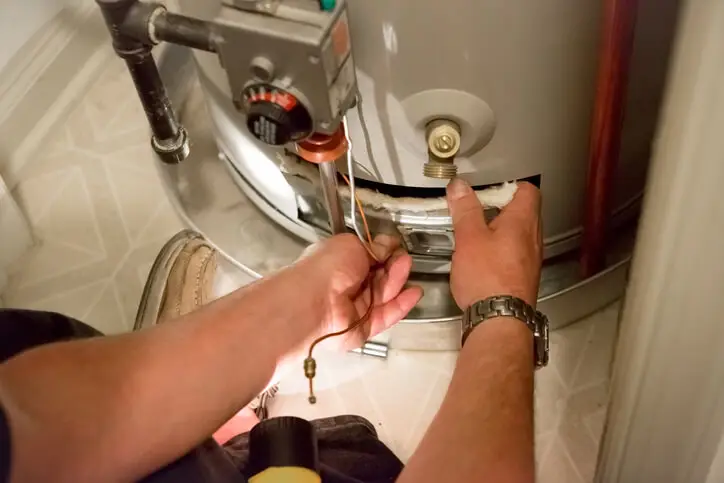
A reliable water heater is one of the most important appliances in any home, yet it’s often overlooked until something goes wrong. Cold showers, strange noises, rising energy bills, or leaks usually appear when maintenance has already been ignored for too long. Learning how to maintain your water heater properly can help you avoid costly repairs, extend the unit’s lifespan, and ensure consistent hot water year-round. This comprehensive water heater maintenance guide explains everything homeowners need to know—from basic care routines to professional servicing tips. Whether you have a traditional tank water heater or a modern tankless system, regular water heater care and maintenance plays a key role in long-term performance and efficiency. Understanding Your Water Heater System Before diving into maintenance, it’s important to understand what type of water heater you have and how it works. This knowledge helps you perform the right maintenance steps and recognize potential problems early. Types of Water Heaters Most homes use one of the following systems: Each system has slightly different water heater maintenance steps, but the core principles remain the same. How a Water Heater Works A water heater heats cold water and stores or delivers it at a preset temperature. Over time, minerals, sediment, and corrosion can build up inside the system. Without proper water heater preventive maintenance, these issues reduce efficiency, strain internal components, and shorten the unit’s lifespan. Why Water Heater Maintenance Is Essential Regular water heater maintenance is not just about avoiding breakdowns—it’s about protecting your investment and improving daily comfort. Benefits of Proper Maintenance Homeowners who follow consistent water heater maintenance tips often enjoy years of extra service compared to those who neglect upkeep. What Happens If You Don’t Maintain Your Water Heater Ignoring routine maintenance can lead to serious problems over time. Many homeowners don’t realize the damage until it’s too late. Common Consequences of Poor Maintenance Understanding what happens if you don’t maintain your water heater highlights why proactive care is far more affordable than emergency repairs. Signs Your Water Heater Needs Maintenance Recognizing early warning signs can help prevent costly damage and downtime. Most Common Warning Signs These symptoms often indicate internal issues that routine servicing could resolve. Water Heater Maintenance Checklist Following a structured water heater maintenance checklist ensures nothing important is overlooked. Many of these tasks can be performed by homeowners, while others may require professional assistance. Basic Maintenance Tasks Using a checklist helps maintain consistency and ensures long-term system reliability. Water Heater Maintenance Steps Explained in Detail Adjusting the Thermostat Setting the thermostat to around 120°F (49°C) improves efficiency, prevents overheating, and reduces scalding risks. Proper temperature control is a foundational step in water heater care and maintenance. Flushing the Water Heater Tank Sediment buildup is one of the most common causes of reduced performance. Why Flushing Is Important How Often Should You Flush? Most manufacturers recommend flushing once a year, although areas with hard water may require more frequent flushing. Inspecting and Replacing the Anode Rod The anode rod protects the tank from corrosion by attracting corrosive elements. Ignoring this component is one of the most common reasons tanks fail prematurely. Testing the Pressure Relief Valve The pressure relief valve prevents dangerous pressure buildup. This simple step is essential for safety and system protection. Tankless Water Heater Maintenance Tankless systems require regular descaling to remove mineral deposits. Key Maintenance Tasks Proper maintenance keeps tankless systems efficient and prevents flow restrictions. How Often to Service a Water Heater One of the most common homeowner questions is how often to service a water heater. Recommended Service Frequency Professional inspections help identify hidden issues early and extend system life. Water Heater Preventive Maintenance Tips Preventive care goes beyond basic cleaning and inspections. Pro Tips for Longevity These water heater servicing tips significantly reduce long-term repair costs. Common Water Heater Problems and How Maintenance Prevents Them Routine maintenance prevents many everyday issues homeowners experience. Problems Maintenance Can Help Avoid Addressing these common water heater problems early saves time, money, and stress. Water Heater Longevity Tips from Professionals Experts agree that consistency is key when it comes to extending system life. Best Practices These water heater longevity tips help homeowners get the maximum return on their investment. DIY vs Professional Water Heater Servicing What Homeowners Can Do When to Call a Professional Professional servicing ensures safety and thorough system evaluation. Water Heater Care and Maintenance Safety Tips Safety should always come first when performing maintenance. If unsure, professional help is always recommended. Frequently Asked Questions About Water Heater Maintenance How long does a water heater last with proper maintenance? With regular maintenance, most systems last 10–15 years or longer. Is water heater maintenance really necessary? Yes, routine maintenance improves efficiency, safety, and reliability. Can I maintain my water heater myself? Basic tasks can be DIY, but professional inspections are recommended annually. Does maintenance reduce energy costs? Absolutely. Clean, efficient systems use less energy to heat water. Final Thoughts: Maintain Your Water Heater for Long-Term Performance Knowing how to maintain your water heater is essential for long-term comfort, efficiency, and cost savings. Regular inspections, timely servicing, and proactive care help extend water heater lifespan, reduce breakdowns, and ensure consistent hot water when you need it most. By following this detailed water heater maintenance guide, homeowners can enjoy peace of mind, lower energy bills, and a reliable system for years to come.

Scroll to Top