How Much Does a New HVAC System Cost in Calgary?
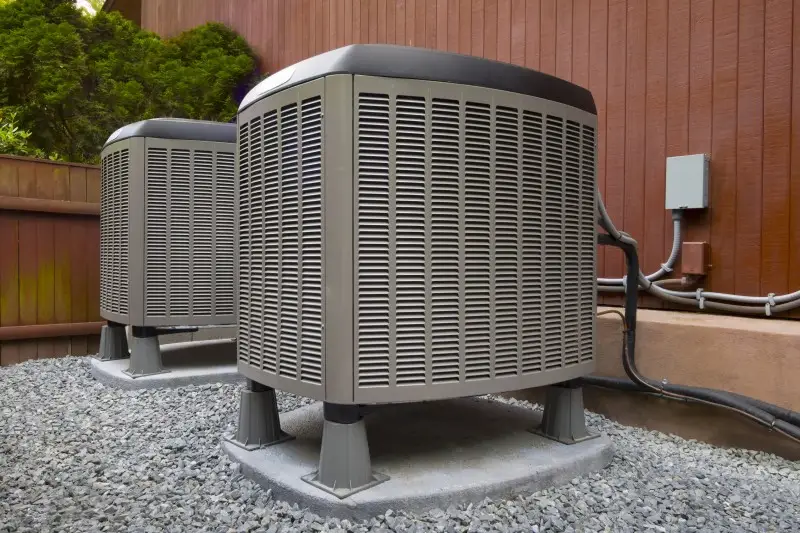
If you’re comparing quotes or just trying to budget ahead of a system replacement, the honest answer is: it depends — but not by as much as the internet makes it seem. Calgary homeowners typically pay between $5,000 and $15,000 for a new HVAC system, with the final number driven mostly by home size, system type, and existing ductwork condition rather than the brand on the label. This guide breaks down real 2026 HVAC system cost ranges for Calgary, what actually drives the price up or down, and how to know whether repair or replacement makes more financial sense for your home. If you’re ready to get an exact number for your house, our HVAC services in Calgary page covers the full range of furnace, heat pump, and AC installation work we quote and install. Quick Answer: How Much Does an HVAC System Cost in Calgary? A new HVAC system in Calgary typically costs $5,000 to15,000 installed, depending on whether you’re replacing a furnace only(4,000–7,500), an AC unit only(3,500–9,000),or a complete furnace-and-AC system(8,000–$15,000+). Heat pump systems generally fall between $6,000 and $14,000 depending on size and efficiency rating. HVAC System Cost by Type: 2026 Calgary Price Guide Here’s how hvac system costs break down by equipment type based on current Calgary market pricing: System Type Typical Installed Cost What Drives the Higher End Furnace only $4,000 – $7,500 Higher AFUE rating, two-stage or variable-speed models Air conditioner only $3,500 – $9,000 Higher SEER rating, larger tonnage, new ductwork Heat pump $6,000 – $14,000 Cold-climate rated units, larger square footage Complete HVAC system (furnace + AC) $8,000 – $15,000+ Premium equipment, ductwork modifications, larger homes Ductless mini-split (no ductwork) $2,500 – $12,000+ Number of zones/indoor units These figures reflect a typical 2,000–3,000 sq ft detached Calgary home with standard access and no major electrical or code upgrades required. Larger homes in areas with bigger square footage can push the high end of a full system replacement past $15,000. What Actually Drives Your HVAC System Installation Cost Two homes on the same street can get very different quotes for what sounds like the same job. Here’s why: 1. Home Size and System Sizing HVAC systems are sized in tonnage or BTUs, not just by square footage. A qualified contractor performs a proper load calculation (not a rough square-footage guess) to size your system correctly — an undersized system runs constantly and wears out faster, while an oversized one cycles inefficiently and costs more upfront without added benefit. 2. Equipment Efficiency Rating Furnaces are rated by AFUE (fuel efficiency) and air conditioners by SEER (cooling efficiency). Higher-rated equipment costs more upfront but lowers your monthly energy bills — often enough to offset the difference over several years, especially given Calgary’s long heating season. 3. Ductwork Condition If your existing ductwork is leaky, undersized, or incompatible with new equipment, modifications add meaningfully to your total cost of hvac system installation. This is one of the most common reasons a quote comes in higher than a homeowner expected. 4. Labor and Installation Complexity Labor typically makes up 30–50% of a new hvac system cost, and rises further on retrofit jobs or homes with limited mechanical room access. A same-day swap-out of matched equipment costs far less in labor than a job requiring rerouted ductwork or electrical upgrades. 5. Permits and Inspections The City of Calgary requires a mechanical permit for HVAC installation and replacement. A reputable contractor includes this in your quote and handles the inspection — if a quote doesn’t mention permits at all, ask why. Full HVAC System Replacement Cost vs. Repair One of the most common questions homeowners face isn’t “how much do hvac systems cost” in the abstract — it’s whether to repair what they have or replace it outright. A useful rule of thumb: if a repair costs more than 50% of full replacement, and your equipment is past 10–12 years old, replacement is usually the better long-term financial decision. For example, a furnace nearing the end of a 15–20 year lifespan that needs a heat exchanger replacement (often 1,500–2,500 on its own) is typically a better candidate for full replacement than repair. Our guide on warning signs it’s time to replace your furnace walks through exactly which symptoms point toward replacement versus a fixable repair, and our breakdown of how much it costs to replace a furnace in Calgary goes deeper into furnace-specific pricing. Commercial HVAC System Cost Commercial hvac system cost works on an entirely different scale than residential, priced primarily per square foot rather than as a flat installation fee. Small commercial spaces (2,000–5,000 sq ft) typically see costs between $15,000 and $30,000, while larger or more complex buildings — offices, medical facilities, multi-zone retail spaces — can run $15 to $40+ per square foot depending on system type, zoning requirements, and ventilation standards. Facilities with stricter air quality or filtration needs (medical, food service) generally land at the higher end of that range due to added equipment and compliance requirements. If you manage a commercial property in Calgary and need a proper quote, a site assessment is the only reliable way to get an accurate number — square footage alone isn’t enough to price a commercial job correctly. Estimated HVAC System Cost by Home Size Square footage alone doesn’t determine your final price, but it’s a useful starting point for budgeting before a contractor performs a proper load calculation: Home Size Typical Furnace + AC System Size Estimated Full System Cost Under 1,500 sq ft 2–2.5 tons $7,000 – $10,000 1,500 – 2,500 sq ft 2.5–3.5 tons $8,000 – $12,000 2,500 – 3,500 sq ft 3.5–4.5 tons $10,000 – $14,000 3,500+ sq ft 4.5–5+ tons $12,000 – $16,000+ These ranges assume standard insulation and ceiling height. Homes with vaulted ceilings, large window areas, or poor insulation often need a larger system than square footage alone would suggest — another reason a proper in-home assessment matters more than an online calculator. Long-Term Cost of Ownership: Why