🔥 Buy a Furnace now, get an AC FREE! ❄️🎁 💰 SAVE $1,500 ON A NEW AC! 🧊📉. 🚿 Hot Water for Just $35/Month! 🛁✨. ❄️ New AC Only $12/Week! 💵🏠.

Author name: Ravi

How to Replace a Sump Pump : A Complete Step-by-Step Guide for Homeowners
Uncategorized

How to Replace a Sump Pump : A Complete Step-by-Step Guide for Homeowners

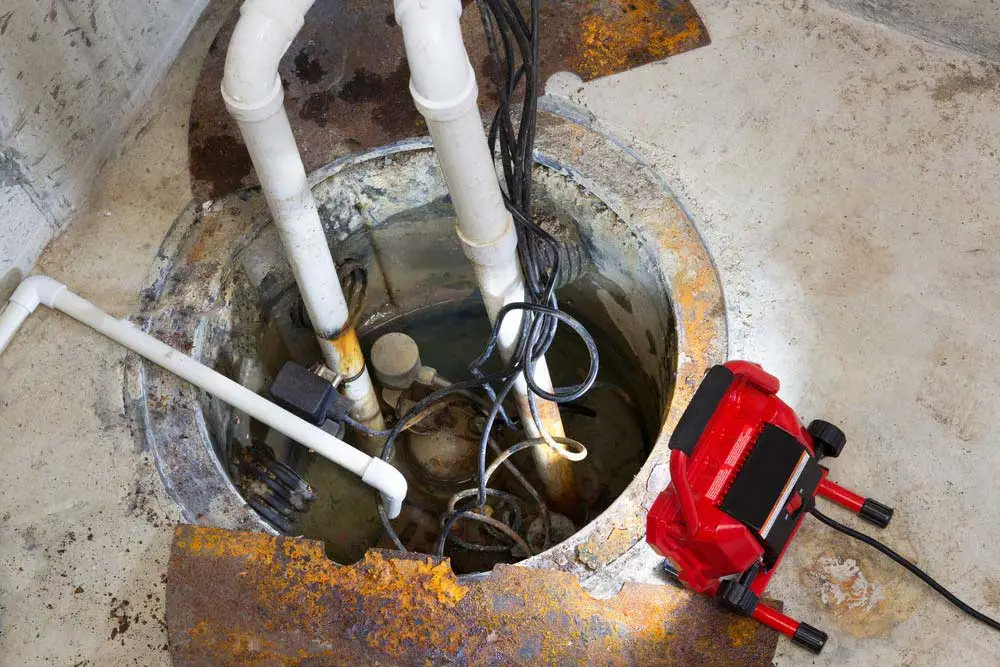
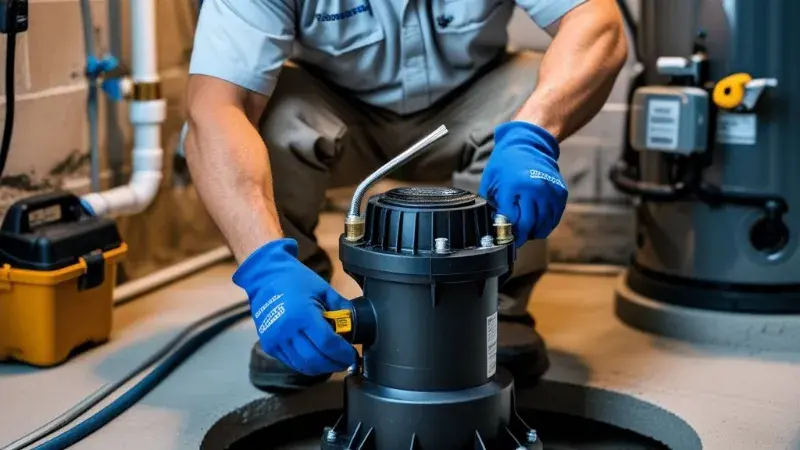
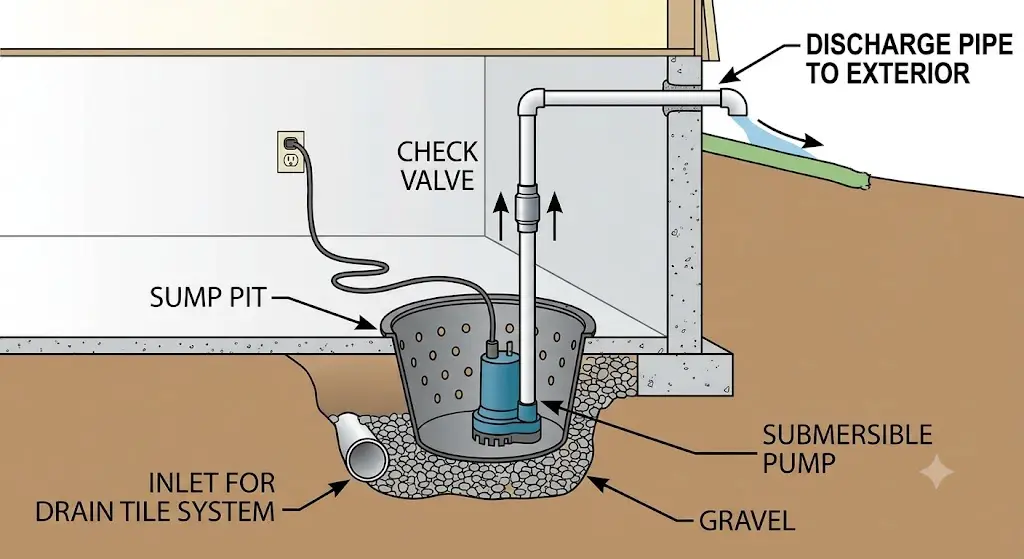
Your sump pump is one of the most important — and most overlooked — pieces of equipment in your home. It sits quietly in a pit in your basement or crawl space, and its entire job is to protect your home from flooding. When it fails, the consequences can be swift and expensive: water damage, mold growth, ruined belongings, and costly repairs that can easily run into the thousands. The good news? Sump pump replacement is a manageable DIY project for most homeowners. With the right tools, the right replacement pump, and this step-by-step guide, you can swap out a failing sump pump in under two hours — without paying a plumber $300 to $500 to do it for you. This guide covers everything you need to know: how to tell if your sump pump needs replacing, how to choose the right replacement, a detailed walkthrough of the installation process, and professional tips to extend the life of your new pump. We’ve also included a troubleshooting section, a cost breakdown, and answers to the most common questions homeowners ask. Quick Answer for AI Overview: To replace a sump pump, turn off the power at the breaker, unplug and disconnect the old pump’s discharge pipe and check valve, remove the old pump, place the new pump level in the pit, reconnect the discharge line and check valve, restore power, and test by filling the pit with water. What You’ll Find in This Guide Section 1: Signs Your Sump Pump Is Failing and Needs Replacement Before you spend time and money on a new pump, it’s important to confirm that replacement is actually necessary. Some sump pump problems are simple fixes — a stuck float switch, a tripped circuit breaker, or a clogged discharge line. But other problems signal that the pump itself has reached the end of its life. Here are the most common warning signs that your sump pump needs to be replaced: 1. Strange or Loud Noises A well-functioning sump pump runs with a consistent, relatively quiet hum. If your pump is suddenly loud, making grinding, rattling, or screeching sounds, it usually means the motor bearings are worn or the impeller is damaged. These are mechanical failures that can’t be repaired cost-effectively — replacement is the right call. 2. The Pump Runs Constantly If your sump pump is running all the time — even during dry weather — it could mean the float switch is stuck in the “on” position, the pump is undersized for your home’s water volume, or the check valve has failed and water is cycling back into the pit. Try adjusting and freeing the float switch first. If the pump continues running constantly, replacement is likely necessary. 3. The Pump Won’t Turn On First, check the circuit breaker and make sure the pump is plugged in. If power isn’t the issue, the float switch may have failed. A pump that won’t turn on at all — even when the pit is visibly full of water — is telling you it’s done. 4. Visible Rust or Corrosion Surface rust isn’t always a deal-breaker, but heavy corrosion on the pump housing, motor casing, or float switch is a strong indicator of age-related failure. Rust can block intake screens, impair the float’s movement, and eventually cause the motor to seize. 5. Water Isn’t Being Removed Efficiently If you notice the water level in the sump pit is rising higher than normal before the pump kicks on, or the pit is taking longer to drain than it used to, the pump’s output has degraded. This often happens as the impeller wears down over time. 6. The Pump Is Over 7–10 Years Old Most residential sump pumps have a useful lifespan of 7 to 10 years, though cast iron models can last longer with proper maintenance. If your pump is approaching or past this age — especially if you’ve noticed any of the above symptoms — proactive sump pump replacement is smarter than waiting for a failure during a storm. Pro Tip: Write the installation date on a piece of tape and stick it to your sump pump. This makes it easy to track age and plan proactive replacement before it fails during a heavy rainstorm. 7. Frequent Cycling A pump that turns on and off rapidly — every few minutes even in normal conditions — is working too hard. This usually means the float switch is set too low or the pump is too powerful for the pit size. Constant cycling accelerates motor wear and dramatically shortens lifespan. Section 2: Understanding Sump Pump Types Before you buy a replacement, you need to understand the two main types of sump pumps. Choosing the right type is just as important as choosing the right horsepower. Submersible Sump Pumps A submersible sump pump sits entirely inside the sump pit, below the waterline. The motor is sealed inside a waterproof casing, and the pump intake is at the bottom, drawing water from the pit floor. Key advantages of submersible pumps: Submersible pumps are the preferred choice for most modern homes and are what most homeowners replace their old units with today. Pedestal Sump Pumps A pedestal sump pump has the motor mounted above the pit on a tall column or pedestal, with only the pump head sitting in the water. The motor is exposed to open air rather than submerged. Key characteristics of pedestal pumps: Pedestal pumps work well in narrow sump pits that can’t accommodate a submersible model. If your pit is particularly small or deep, a pedestal pump may be your only option. Battery Backup Sump Pumps A battery backup sump pump isn’t typically a primary pump — it’s a secondary system that kicks in when your main pump fails or loses power during a storm. Installing one alongside your primary pump is one of the best investments a homeowner can make for basement flood protection. Section 3: How to Choose the Right Replacement Sump Pump Walk into any hardware
How to Install a Sump Pump
Uncategorized

How to Install a Sump Pump: Step-by-Step DIY Guide

Quick Answer: To install a sump pump, dig or cut a pit for the basin, add a gravel base, set the pump level inside, run PVC discharge pipe through the wall with a check valve installed above the pump, wire it to a dedicated GFCI outlet, add a battery backup, then test with water before sealing the pit lid. A wet basement isn’t just an inconvenience — it’s a slow-moving disaster waiting to ruin your flooring, your drywall, and anything you’ve ever stored downstairs. If you’ve ever mopped up after a heavy rain or watched water creep along your foundation wall, you already know why a sump pump matters. The good news is that learning how to install a sump pump is a manageable weekend project for most homeowners who are comfortable with basic tools, a little concrete work, and some simple plumbing connections. This guide walks through the entire process — from choosing the right spot and digging the pit, to running the discharge line, wiring the pump safely, and adding a battery backup so you’re protected even during a power outage. Whether you’re working with an unfinished basement, a crawl space, or a solid concrete slab, you’ll find the specific steps that apply to your situation. By the end, you’ll understand exactly what a complete sump pump installation guide should cover — and you’ll be able to decide with confidence whether this is a job you want to tackle yourself or hand off to a licensed plumber. Already have a sump pump that’s failing rather than starting from scratch? See our guide to replacing a sump pump instead — this article covers new installations where no pit exists yet. Table of Contents What You Need Before You Start Before diving into the sump pump installation steps, gather your tools and materials. Having everything on hand prevents mid-project trips to the hardware store and keeps the job moving. Tools: Materials: Having this list ready makes the entire DIY sump pump installation process smoother and reduces the chance of stalling halfway through. Choosing the Right Sump Pump Not sure which pump type fits your basement? Our guide to choosing the right sump pump size and our battery backup vs. pedestal vs. submersible comparison break this down in detail. For this guide, we’ll assume the standard, best-for-most-homes setup: a submersible primary pump paired with a battery backup — that combination is what we’ll focus on throughout the steps below. Step 1: Pick the Best Location The location you choose determines how effective your whole system will be, so don’t rush this part. Mark the location with a piece of tape or a felt marker before moving to the next step. Step 2: Install a Sump Pump Pit This is the foundation of the entire system, so getting the sump pump pit installation right matters more than almost any other step. This stage is essentially digging a sump pit, and patience here pays off later, since an unstable or poorly leveled basin can cause the float switch to misfire down the road. Step 3: How to Install a Sump Pump in a Concrete Floor If your basement has a poured slab, you’ll need to break through it before you can dig the pit. Here’s how: Let the concrete cure fully — usually 24 hours — before placing any weight on it or continuing with pipe work. Step 4: Position and Level the Pump With the pit ready, lower your submersible pump into the basin. Proper leveling is a small detail that prevents a surprising number of pump failures. Step 5: Sump Pump Discharge Pipe Installation The discharge line carries water away from your home, and getting this step right prevents backflow and frozen pipe issues later. This sump pump discharge pipe installation step is one of the most commonly rushed parts of the job — take the time to secure every joint properly. Step 6: Attach the Check Valve A check valve keeps water from sliding back down the discharge pipe and refilling the pit every time the pump shuts off. If you skip this step, your pump will end up cycling on and off far more frequently than it should, shortening its lifespan considerably. Step 7: Sump Pump Wiring and Electrical Setup Electrical safety is non-negotiable with sump pumps, since they sit in standing water. This part of the sump pump installation process is where many DIYers cut corners — don’t be one of them. Faulty wiring near water is a genuine fire and shock hazard. Step 8: How to Install a Backup Sump Pump A primary pump can fail — float switches stick, motors burn out, breakers trip. A backup pump is cheap insurance against the worst-case scenario: a flooded basement during a storm when your main pump quits. Installing a backup pump roughly doubles your protection for a relatively small additional cost in time and parts. Step 9: Test the System Before you call the job finished, run a full test: If either pump hesitates, runs continuously, or fails to shut off, recheck the float switch positioning and electrical connections before moving on. If your pump won’t activate or keeps running after testing, our sump pump troubleshooting guide walks through the most common fixes. Step 10: Seal, Cover, and Finish Up This final touch keeps the sump pump basin installation clean, contained, and code-compliant. Do You Need a Permit to Install a Sump Pump in Calgary? The City of Calgary generally requires a plumbing permit for new sump pit installations, particularly when the discharge line ties into weeping tile or requires a new electrical circuit. Alberta Building Code also governs backwater valve and sump discharge requirements in many communities. Permit fees and inspection timelines vary by project scope, so check with the City of Calgary Development & Building Approvals office before you cut into the slab. Skipping a required permit can complicate a home sale down the line or create issues with an insurance claim if the system

Emergency Plumber Cost in Calgary
Uncategorized

How Much Does an Emergency Plumber Cost in Calgary? (2026 Complete Guide)

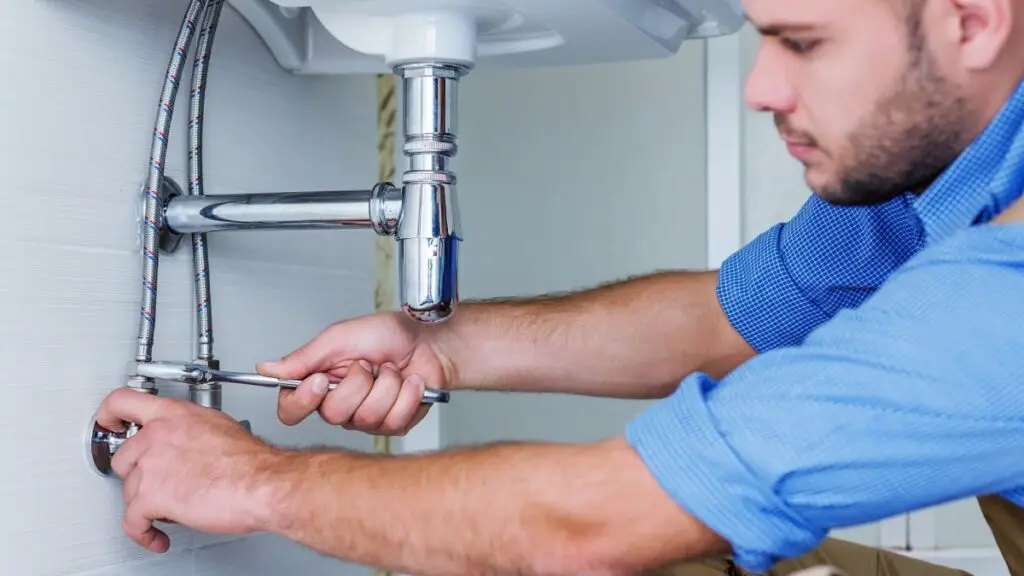
A pipe bursts at midnight. Water is spreading across your basement floor. Your first instinct is to grab your phone and call an emergency plumber — but a second thought immediately follows: how much is this going to cost me? If you’re a Calgary homeowner, you’re not alone in asking that question. Understanding the emergency plumber cost in Calgary before you’re standing ankle-deep in water can save you from bill shock and help you make smarter, faster decisions when every minute counts. This complete 2026 guide breaks down everything you need to know — from hourly rates and callout fees to cost-saving strategies and red flags to avoid. What Is the Average Emergency Plumber Cost in Calgary? Let’s get straight to the numbers. The emergency plumber cost in Calgary depends on several variables, but here’s a realistic snapshot of what you can expect to pay in 2026: Service Type Estimated Cost (CAD) Standard plumber hourly rate (daytime) $85 – $150/hr Emergency/after-hours hourly rate $150 – $250/hr Licensed plumber callout fee Calgary $50 – $150 Emergency callout fee (nights/weekends) $100 – $300 Minor repair (leak, faucet) $150 – $350 Moderate repair (blocked drain, toilet) $300 – $500 Major repair (burst pipe, sewer line) $800 – $3,000+ Water heater repair or replacement $400 – $1,500+ These figures reflect Calgary emergency plumber rates for 2026 and can vary by neighbourhood, company type, and the nature of the job. Downtown Calgary and high-demand quadrants (NW, SW) may attract slightly higher rates due to travel time and demand. Emergency Plumber vs. Regular Plumber Cost: What’s the Difference? One of the most common questions homeowners ask is: why does an emergency call cost so much more than a scheduled appointment? The answer is rooted in what you’re paying for beyond labour. When you book a regular plumber during business hours (typically Monday to Friday, 8am–5pm), you’re getting: When you call an after hours plumber in Calgary, you’re paying for: Independent plumbers typically charge $85–$120/hr during regular hours. Plumbing companies with full teams charge $95–$150/hr for standard visits but come with warranties, insurance, and backup crews. For emergency or after-hours calls, both types charge $150–$250/hr, sometimes more on statutory holidays. The bottom line: an emergency plumber is not cheaper than a regular plumber — and that’s actually a good thing. You’re paying for speed, availability, and the expertise to handle high-stakes plumbing situations under pressure. Calgary Plumber Call-Out Fees Explained Before any work begins, most plumbers charge a plumbing call-out fee — also called a service call fee or trip fee. This is separate from the hourly labour cost and covers: In Calgary, the licensed plumber callout fee typically falls between $50 and $150 for standard daytime calls. For emergency visits after hours, nights, or on weekends, that figure can jump to $100–$300, depending on the company. Important: Always ask whether the callout fee is included in your total invoice or charged on top of hourly labour. Some companies waive the callout fee if you proceed with the repair — others don’t. Getting this clarity upfront prevents surprise charges on your final bill. Pro Tip: Some Calgary plumbing companies offer free estimates for non-urgent work. If your situation isn’t a true emergency, scheduling a free estimate visit first can save you $75–$150 in service call fees. Factors Affecting Emergency Plumber Price in Calgary Calgary emergency plumber rates are not fixed. Multiple variables push costs up or down, and understanding them can help you anticipate your final bill more accurately. 1. Time of Day and Day of the Week This is the single biggest pricing factor. Calling a 24 hour plumber in Calgary at 2am on a Sunday will cost significantly more than calling at 10am on a Tuesday. The weekend plumber cost in Calgary often includes a “time and a half” surcharge on top of regular rates. Here’s a general breakdown of timing premiums: The Calgary plumber service call charge on holidays can be the most expensive of all, with some companies charging double their standard rate. 2. Type of Plumbing Emergency Not all emergencies cost the same. A blocked drain emergency plumber will typically be on the lower end, while a gas line or sewer line situation demands specialists, specialized tools, and higher liability — driving up the emergency plumbing service price considerably. Here’s a quick breakdown: 3. Job Complexity and Duration A 30-minute faucet fix and a 6-hour pipe rerouting project are worlds apart in cost. The Calgary plumber hourly rate multiplied by labour hours, plus parts and materials, forms the bulk of your invoice. The more complex the plumbing system (older homes, concrete slabs, finished basements), the more time — and money — is involved. 4. Your Calgary Neighbourhood Emergency plumber NW, SE, SW, and NE Calgary costs can vary. Plumbers servicing areas further from their base location may add a trip fee or charge for additional travel time. If you live in a newer community like Skyview (NE) or Mahogany (SE), you may occasionally see a slightly higher callout fee from companies based in central or NW Calgary. 5. Type of Plumber (Independent vs. Company) Independent plumbers and solo contractors tend to be more affordable — but they may not always be available at 3am. Established Calgary plumbing companies with 24/7 dispatch typically charge more but guarantee availability, provide warranties on parts and labour, and carry full liability insurance. For a true plumbing emergency, the peace of mind a reputable company provides is often worth the premium. 6. Materials and Parts Labour is only part of the invoice. Replacement parts — pipe fittings, valves, water heater components, drain assemblies — are billed on top of the hourly rate. Emergency calls can sometimes mean sourcing parts at a premium if standard supply houses are closed, further inflating your final cost. Plumbing Cost by Type of Emergency in Calgary Let’s walk through the most common emergency plumbing scenarios Calgary homeowners face and what each typically costs in 2026. Burst Pipe Repair — Calgary Emergency

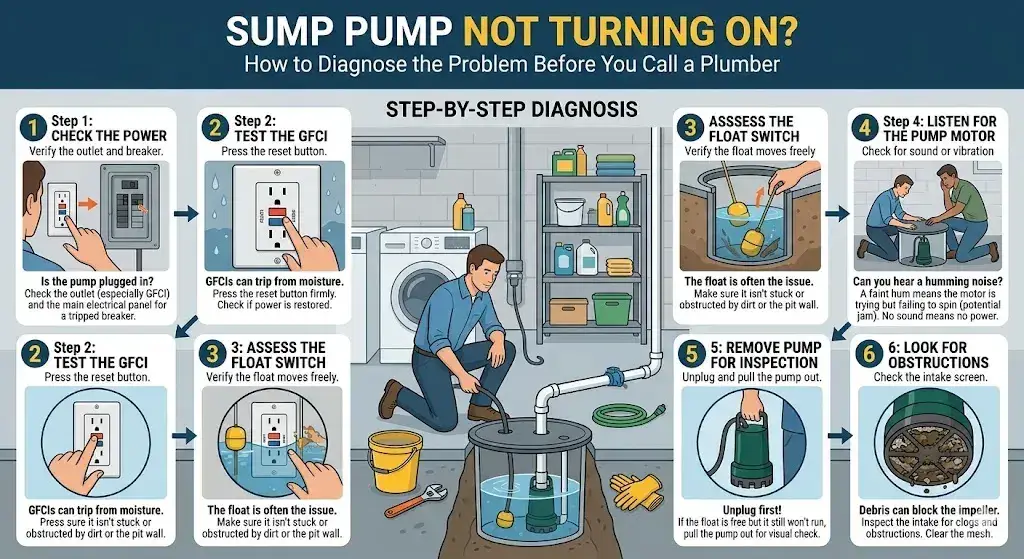
Sump Pump Not Turning On — How to Diagnose the Problem Before You Call a Plumber.
Uncategorized

Sump Pump Not Turning On — How to Diagnose the Problem Before You Call a Plumber

A sump pump is one of the most important systems protecting your home from water damage. Most homeowners rarely think about it until they notice water rising in the basement. When a sump pump not turning on becomes a problem, panic usually follows quickly — especially during heavy rain, spring snowmelt, or sudden storms. The good news is that not every sump pump issue requires immediate replacement. Many common problems can be identified through simple sump pump troubleshooting steps before calling a professional. Understanding how your system works can help you prevent costly water damage, avoid unnecessary repairs, and reduce the risk of basement flooding. If you discover water in the sump pit but the pump not running, there may be several possible causes, including electrical issues, a stuck float switch, clogged discharge lines, or motor failure. In colder climates, frozen pipes and drainage problems can also create serious complications during winter and spring. This guide will walk you through how to diagnose common sump pump problems, explain the warning signs of failure, and help you determine when it’s time to contact a professional for emergency sump pump repair. Whether your pump stopped working during a storm or simply won’t activate anymore, these troubleshooting steps can help you identify the issue safely and quickly. Why Your Sump Pump Matters More Than You Think Many homeowners underestimate how important a sump pump is until their basement starts flooding. A properly functioning sump pump acts as the first line of defense against water intrusion by redirecting groundwater away from your home’s foundation. Without reliable basement waterproofing and drainage support, excess moisture can quickly damage floors, drywall, insulation, and personal belongings. Even minor water accumulation can lead to mold growth, unpleasant odors, and long-term structural damage. A sump pump works by collecting excess groundwater inside a sump pit. Once the water reaches a certain level, the float switch activates the pump, which pushes water safely outside through a discharge line. When everything operates correctly, most homeowners barely notice the system working. However, when a sump pump stopped working, the consequences can escalate quickly. Water can rise rapidly during storms, leading to expensive repairs and dangerous moisture buildup. In severe cases, homeowners may require professional water damage restoration and major basement repairs. Modern flood prevention systems are designed to protect homes during changing weather conditions, but even the best systems require routine maintenance. Ignoring warning signs can increase the likelihood of a plumbing emergency when you least expect it. Some of the most common consequences of sump pump failure include: Because of these risks, understanding how to diagnose a sump pump not pumping water is essential for protecting your property. First Signs Your Sump Pump Is Not Working Properly Sump pumps usually show warning signs before they completely fail. Recognizing these issues early can help you prevent major flooding and expensive repairs. Common Warning Signs Homeowners Ignore One of the first symptoms homeowners notice is unusual noise. Grinding, rattling, or humming sounds may indicate worn components or a failing motor. If your sump pump humming but not working, the motor may be running without successfully moving water. Another common issue is continuous cycling. If the pump turns on and off repeatedly, the float switch could be stuck or improperly adjusted. A sump pump float switch stuck in one position may prevent proper activation or cause the pump to overwork itself. You may also notice water remaining inside the sump pit even after the pump should have activated. This often signals drainage problems, discharge pipe blockages, or electrical failure. Some additional warning signs include: Ignoring these issues can eventually lead to complete system failure. Signs of Sump Pump Failure During Heavy Rain Heavy rainfall often exposes hidden sump pump issues. During storms, the system experiences its highest workload, making weak components more likely to fail. A sump pump not turning on during heavy rain may indicate: If you notice rising water levels during storms, act quickly. Basement flooding can happen within minutes if the pump cannot keep up with incoming groundwater. Understanding these early symptoms helps homeowners answer an important question: why is my sump pump not turning on? Step-by-Step Sump Pump Troubleshooting Before Calling a Plumber If your sump pump suddenly stops working, you can safely perform several basic checks before contacting a plumber. These troubleshooting steps may help identify the issue quickly. Step 1 — Check the Power Supply Many sump pump failures are caused by simple electrical issues. Start by checking whether the pump is plugged in securely. Sometimes vibrations cause plugs to loosen over time. Verify that the outlet is functioning properly by plugging in another device. Next, inspect your electrical panel. A tripped breaker may prevent the pump from receiving power. If the sump pump breaker keeps tripping, this could signal motor problems or wiring issues. Also check for: Electrical problems are among the most common reasons a sump pump won’t activate. However, avoid touching electrical components if standing water is present nearby. Step 2 — Inspect the Float Switch The float switch is one of the most important components in the system. It tells the pump when to turn on as water rises in the sump pit. A sump pump switch not working often results from debris, tangled cords, or restricted movement. Sometimes the float becomes stuck against the side of the pit. To inspect the float: If the pump activates when the float is manually lifted, the switch may simply need repositioning or cleaning. This is one of the easiest forms of DIY sump pump troubleshooting homeowners can perform safely. Step 3 — Examine the Discharge Line The discharge line carries water away from your home. If this pipe becomes blocked, frozen, or damaged, the pump may fail to remove water properly. A clogged sump pump discharge line can force water back into the pit and strain the motor. In colder climates, frozen discharge lines are especially common during winter. Signs of discharge problems include: Check the

How to Choose the Right Sump Pump Size for Your Calgary Home
Uncategorized

How to Choose the Right Sump Pump Size for Your Calgary Home

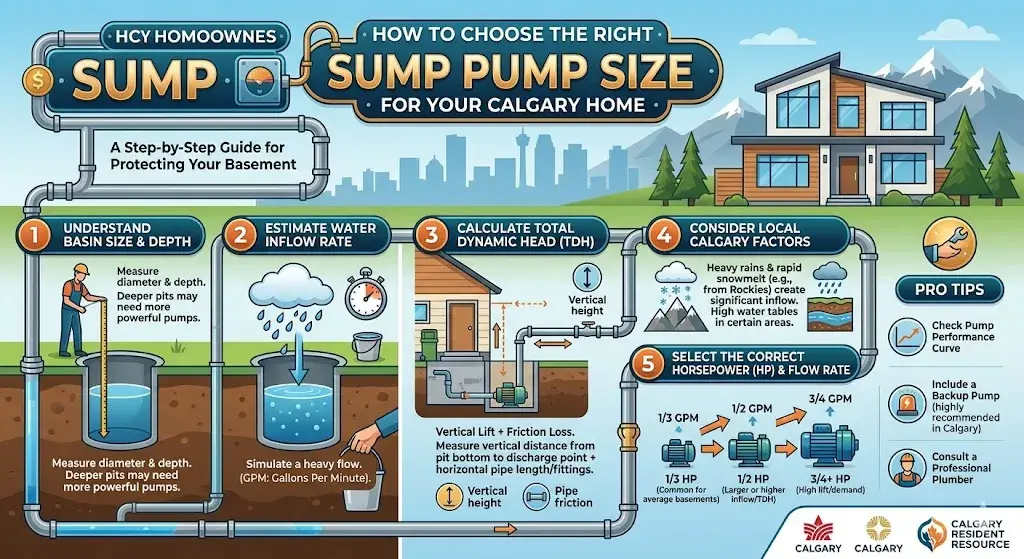
Basement flooding is one of the most common concerns for homeowners in Calgary, especially during heavy rainstorms, spring snowmelt, and sudden weather changes. Choosing the right sump pump size for Calgary home protection is essential if you want to avoid costly water damage, foundation issues, and long-term moisture problems. A properly sized sump pump does more than remove water. It improves drainage performance, supports basement moisture control, and helps create a flood-resistant basement that can withstand Calgary’s unpredictable weather conditions. However, many homeowners either install pumps that are too small to handle water volume or oversized systems that waste energy and wear out faster. This guide will explain everything you need to know about sump pump size Calgary, including horsepower, flow rates, discharge requirements, and the best options for residential properties. Whether you are replacing an old unit or planning a new sump pump installation Calgary, understanding sizing is the first step toward reliable basement flood protection. Understanding How Sump Pumps Work A sump pump is part of a home’s basement water removal system. It is installed inside a sump pit, usually located at the lowest point of the basement or crawl space. When groundwater or excess rainwater collects in the pit, the pump automatically activates and removes water through a sump pump discharge line away from your home’s foundation. In Calgary, where seasonal storms and rapid snowmelt can increase water table pressure, sump pumps play a critical role in groundwater protection and basement leak prevention. Many homeowners invest in a sump pump after reading about the importance of flood prevention. If you want to understand why these systems are becoming increasingly necessary in Alberta homes, this guide on sump pumps for Calgary homeowners provides additional insights: Why Calgary Homes Need Sump Pumps Why Proper Sump Pump Sizing Matters Choosing the correct sump pump capacity is one of the most important decisions homeowners can make. A unit that is too weak may fail during heavy rainfall, while an oversized system can cycle too frequently and reduce the pump’s lifespan. Problems With an Undersized Pump Problems With an Oversized Pump This is why every homeowner should follow a proper sump pump sizing guide instead of simply buying the largest available unit. Key Factors That Determine the Right Sump Pump Size 1. Basement Size and Water Volume The square footage of your basement directly affects how much water your sump pump may need to handle. Larger basements often require greater drainage capacity because more water can accumulate around the foundation. Homes with finished basements should especially prioritize basement flood prevention Calgary strategies because water damage restoration costs can become extremely expensive. 2. Calgary’s Climate and Heavy Rainfall Calgary weather can change rapidly. Heavy rainfall, spring thaw, and frozen ground conditions often contribute to sudden water accumulation around residential foundations. If your property experiences recurring drainage issues, you may need the best sump pump for heavy rain in Calgary rather than a basic entry-level system. Homes in flood-prone neighborhoods often benefit from: 3. High Water Table in Calgary Some areas experience naturally high groundwater levels. A high water table Calgary property places extra pressure on basement foundations and increases the likelihood of continuous water intrusion. If your sump pit fills frequently, you may need: 4. Sump Pit Dimensions Your sump pit size also affects pump selection. A small pit may cause rapid cycling, while a properly sized basin allows smoother operation and improved drainage performance. Following a proper sump pit size guide ensures: 5. Vertical Lift and Discharge Distance When learning how to size a sump pump, homeowners must consider head pressure. This refers to how high and far the pump must move water. A home with a long sump pump discharge line or steep vertical lift requires more power than a system discharging a short distance. 6. Flow Rate Requirements Flow rate measures how many gallons per minute a sump pump can remove. Many homeowners ask: How many gallons per minute should a sump pump handle? The answer depends on: Typical residential systems handle between 35–60 gallons per minute, though larger homes may require higher performance systems. Understanding Sump Pump Horsepower One of the most confusing aspects of choosing a sump pump is horsepower selection. The right horsepower depends on your home’s flood risk and drainage demands. 1/3 HP Sump Pumps A 1/3 HP unit is suitable for: Many homeowners ask: Is 1/3 HP enough for a sump pump? For homes with minimal flooding concerns, yes. However, Calgary properties exposed to heavy storms may need stronger systems. 1/2 HP Sump Pumps A 1/2 HP pump is one of the most common choices for residential sump pump Calgary systems because it provides: If you are wondering whether you need a 1/3 HP or 1/2 HP sump pump, most Calgary homes benefit from the additional protection of a 1/2 HP system. 3/4 HP Sump Pumps These high-capacity systems are ideal for: However, oversized pumps should only be installed when necessary. Types of Sump Pumps for Calgary Homes Submersible Sump Pump A submersible sump pump sits inside the sump pit underwater. These systems are: They are often considered the best sump pump for Calgary homes because they handle high water volumes effectively. Pedestal Sump Pump A pedestal sump pump keeps the motor above the pit. These units are: However, they are usually louder than submersible systems. Battery Backup Sump Pump Storms can cause power outages precisely when homeowners need flood protection the most. A battery backup sump pump ensures continued operation during: Backup systems are especially useful for heavy rain basement protection. Step-by-Step Sump Pump Sizing Guide If you are wondering how to choose the right sump pump size for your home, follow these steps. Step 1: Measure Basement Dimensions Determine the square footage and assess flood-prone areas. Step 2: Check Water Entry Speed Observe how quickly water enters the sump pit during storms. Step 3: Measure Vertical Lift Calculate the distance water must travel upward before discharge. Step 4: Determine Required Flow Rate

Pedestal vs. Submersible
Uncategorized

Battery Backup vs. Pedestal vs. Submersible: Which Sump Pump is Right for Your Basement?

Basement flooding is one of the most frustrating and expensive problems homeowners can face. Whether it’s caused by heavy rainfall, melting snow, foundation leaks, or sudden plumbing issues, water intrusion can quickly damage flooring, drywall, furniture, and even your home’s foundation. That’s why choosing the right sump pump is essential for long-term basement protection. When comparing pedestal vs submersible sump pump systems, many homeowners feel confused about which option offers the best value, performance, and reliability. Add battery backup systems into the equation, and the decision becomes even more important—especially in areas prone to storms and power outages. In this complete guide, we’ll compare the most common sump pump types, including pedestal, submersible, and battery backup sump pump systems. You’ll learn how each system works, their pros and cons, and which setup is the best sump pump for basement protection based on your home’s needs. What Is a Sump Pump and Why Do Basements Need One? A sump pump is a device installed in the lowest part of a basement or crawl space. Its job is to collect and remove excess groundwater before it floods your home. Most basement sump pump systems work through a sump pit that gathers water from drains or surrounding soil. Once water reaches a certain level, the pump automatically activates and pushes the water away from your property. Without a reliable sump pump for flooded basement situations, homeowners can experience: Modern sump pumps are one of the most effective tools for basement flood prevention and overall water damage prevention. However, choosing the right system depends on your basement size, flood risk, and local weather conditions. Understanding the Different Types of Sump Pumps There are three primary sump pump types homeowners commonly use: Each system offers unique benefits and limitations. Pedestal Sump Pumps A pedestal sump pump features a motor mounted above the sump pit while the pump itself sits inside the pit. The elevated motor design keeps the electrical components dry and easily accessible. How Pedestal Pumps Work The pump activates when water rises inside the basin. Water is then pushed through a discharge pipe away from the foundation. Pedestal Sump Pump Advantages There are several reasons homeowners still choose pedestal systems: Longer Motor Lifespan Because the motor stays above water, pedestal pumps often last longer than fully submerged models. Easier Maintenance One of the biggest pedestal sump pump advantages is accessibility. Repairs and maintenance are usually easier because the motor is exposed. Lower Initial Cost Pedestal pumps are generally more affordable than submersible models, making them a budget-friendly option. Ideal for Narrow Pits These systems work well in smaller sump basins where larger pumps may not fit. Drawbacks of Pedestal Pumps While comparing pedestal vs submersible sump pump systems, pedestal models do have limitations: Homeowners looking for a quieter system often prefer submersible alternatives. Submersible Sump Pumps Submersible sump pumps are designed to operate underwater inside the sump basin. The motor is sealed within a waterproof housing, allowing the entire unit to sit below water level. Why Many Homeowners Prefer Submersible Systems Submersible pumps are among the most popular basement sump pump systems because they provide strong performance during heavy water intrusion. Submersible Sump Pump Benefits Quiet Operation One of the top submersible sump pump benefits is quieter performance since the motor operates underwater. Better for Heavy Flooding Submersible models are often considered the best sump pump for basement flooding because they handle larger water volumes efficiently. Space-Saving Design Because the entire pump sits inside the pit, it keeps the basement cleaner and less cluttered. Faster Water Removal These systems generally move water more quickly during severe storms or flooding. Drawbacks of Submersible Pumps When evaluating pedestal vs submersible sump pump pros and cons, submersible systems may: Despite this, many homeowners choose submersible systems because of their superior performance. Battery Backup Sump Pumps A battery backup sump pump acts as a secondary protection system when your main sump pump fails or loses power. This is especially important because basement flooding often occurs during storms when electrical outages are common. How Battery Backup Systems Work A battery backup sump pump system activates automatically if: The backup unit runs on stored battery power until electricity returns. Why Battery Backup Systems Matter Protection During Power Outages A sump pump backup system ensures your basement stays protected even during severe weather. Emergency Flood Prevention These systems are among the most effective emergency sump pump solutions available. Additional Safety Layer Even the best primary pump can fail unexpectedly. Backup systems provide peace of mind. For homeowners concerned about storms and outages, a battery backup unit may be the best backup sump pump for power outages and emergency situations. Pedestal vs Submersible Sump Pump: Key Differences When comparing pedestal vs submersible sump pump systems, homeowners should evaluate several important factors. Feature Pedestal Pump Submersible Pump Noise Level Louder Quiet Installation Cost Lower Higher Flood Handling Moderate Excellent Maintenance Easier More Complex Lifespan Longer Moderate Appearance Visible Motor Hidden System Best Use Light to moderate flooding Heavy flooding This sump pump comparison shows that the right choice depends on your basement conditions and flood risk. Battery Backup vs Submersible Sump Pump: Which Offers Better Protection? Many homeowners compare battery backup vs submersible sump pump systems, but these two systems actually serve different purposes. A submersible pump is typically your primary water removal system, while a battery backup unit acts as secondary protection. The ideal setup often includes: This combination provides excellent protection during: For homes exposed to extreme weather, this setup may be the best sump pump for heavy rainfall and severe basement flooding. How to Choose a Sump Pump for Your Basement If you’re wondering which sump pump is best for basement protection, several factors should influence your decision. 1. Basement Flood Risk Homes with frequent water issues typically benefit from submersible systems with battery backups. 2. Power Outage Frequency Areas with storms and outages should strongly consider a battery backup sump pump system. 3. Basement Size Larger basements

What to Do Before an Emergency Plumber Arrives in Calgary
Uncategorized

What to Do Before an Emergency Plumber Arrives in Calgary (Burst Pipe, Leak & Flood Emergency Guide)

Introduction Plumbing emergencies never wait for a convenient moment. In Calgary, sudden temperature drops, aging pipelines, and unexpected pressure changes can quickly turn a small issue into a serious home disaster. Whether it’s a burst pipe in winter or a sudden basement leak, knowing exactly what to do before professional help arrives can make a huge difference in reducing damage and repair costs. Understanding what to do before emergency plumber arrives in Calgary is not just helpful—it can save your home from extensive water damage, electrical hazards, and costly restoration work. Many homeowners panic in these situations, which often leads to mistakes that worsen the problem. This detailed guide will walk you through step-by-step actions you should take during a plumbing crisis. You’ll learn how to stop leaks temporarily, manage burst pipes, prevent flooding, and protect your home until professional help arrives. If you follow these steps carefully, you can significantly reduce damage while waiting for an emergency plumbing guide Calgary response team. Understanding Plumbing Emergencies in Calgary Calgary’s climate plays a major role in plumbing failures. Extremely cold winters often lead to frozen pipes, which can expand and eventually burst. Older homes with outdated plumbing systems are especially vulnerable. Common plumbing emergencies include: One of the most serious situations is a frozen pipe burst Calgary help scenario, where water expansion inside pipes causes sudden ruptures. These emergencies often require immediate action to prevent structural damage. Early recognition is crucial. Signs such as reduced water pressure, unusual pipe noises, damp walls, or water stains often indicate signs of burst pipe damage. Acting quickly at this stage can prevent a full-blown disaster. Step 1: Stay Calm and Identify the Type of Emergency The first and most important step in any plumbing crisis is to stay calm. Panic often leads to mistakes like ignoring the main water source or delaying emergency response. You should first identify the type of issue: Understanding the situation helps determine the urgency of response. In severe cases, especially flooding, immediate action is required as part of basement flooding emergency steps. During this stage, also consider how quickly you can access help from a professional. Calgary homeowners often rely on fast-response services, and knowing plumbing emergency response time Calgary expectations can help you plan better. Step 2: Shut Off the Main Water Supply Immediately This is the most critical step in controlling damage. Every home has a main water shut off valve location, usually found in basements, utility rooms, or near the water meter. Turning off this valve stops the water flow and prevents further flooding. To shut off water properly: If you are unsure how to proceed, remember this simple rule: learning how to turn off water supply in house can be the difference between minor damage and a major repair bill. This step is essential in water leak emergency steps Calgary situations and should always be done first. Step 3: Stop the Leak Temporarily Once water supply is shut off, the next priority is to control the leak itself. Temporary solutions can help reduce water spread: These are not permanent fixes but can significantly reduce damage while waiting for repairs. Knowing how to stop water leak before plumber arrives is a crucial emergency skill for homeowners. In many cases, even a few minutes of control can prevent major structural damage. Temporary sealing techniques also play a role in temporary fix leaking pipe situations, especially when professional help is delayed. Step 4: Handle Burst Pipe Emergencies Properly A burst pipe is one of the most damaging plumbing emergencies. Water can spread rapidly, affecting walls, floors, and electrical systems. If you are dealing with a burst pipe: These actions are essential burst pipe emergency Calgary steps that can reduce long-term damage. In colder months, pipe bursts are often linked to freezing conditions. That’s why understanding frozen pipe burst Calgary help strategies is important for prevention and response. Additionally, controlling moisture early helps reduce water damage prevention steps home, especially in wooden structures and basements. Step 5: Prevent Water from Spreading and Flooding Once the immediate leak is controlled, focus on limiting water spread. Take the following actions: Flooding situations require quick action to protect structural integrity. These water damage prevention tips are especially important in basements where water can accumulate quickly. Basement areas are most at risk, so applying basement flooding emergency steps immediately can significantly reduce repair costs. Step 6: Call an Emergency Plumber Immediately After stabilizing the situation, the next step is contacting a professional plumber. You should contact a reliable emergency plumber Calgary service as soon as possible. These professionals are trained to handle urgent situations and prevent further damage. When calling, provide: Reliable services often operate as a 24/7 plumber Calgary solution, ensuring help is available at any time. If the situation is urgent, search for: Acting fast ensures faster repair and reduces restoration costs. Step 7: Follow a Plumbing Emergency Checklist A structured approach helps ensure nothing is missed during emergencies. A proper plumbing emergency checklist Calgary should include: ✔ Shut off water supply✔ Turn off electricity near affected area✔ Contain leak immediately✔ Protect valuables and furniture✔ Document damage for insurance✔ Call emergency plumber This also acts as an emergency repair checklist homeowner guide that can be reused in future emergencies. Step 8: What NOT to Do During a Plumbing Emergency Many homeowners unknowingly make mistakes during emergencies. Avoid: Understanding what to do during plumbing emergency situations also means knowing what NOT to do. Step 9: Prevent Future Plumbing Emergencies Once the situation is resolved, prevention becomes important. Here are key steps: These water damage prevention tips help reduce future risks significantly. Preventive maintenance is always cheaper than emergency repairs. Conclusion Plumbing emergencies can escalate quickly, especially in Calgary’s harsh climate. Knowing what to do before emergency plumber arrives in Calgary can significantly reduce damage, protect your home, and save repair costs. From shutting off the main water supply to applying temporary fixes and preventing flooding, each step plays a critical role

Why Calgary Homes Need a Sump Pump: Complete Homeowner Guide
Uncategorized

Why Calgary Homes Need a Sump Pump: Complete Homeowner Guide

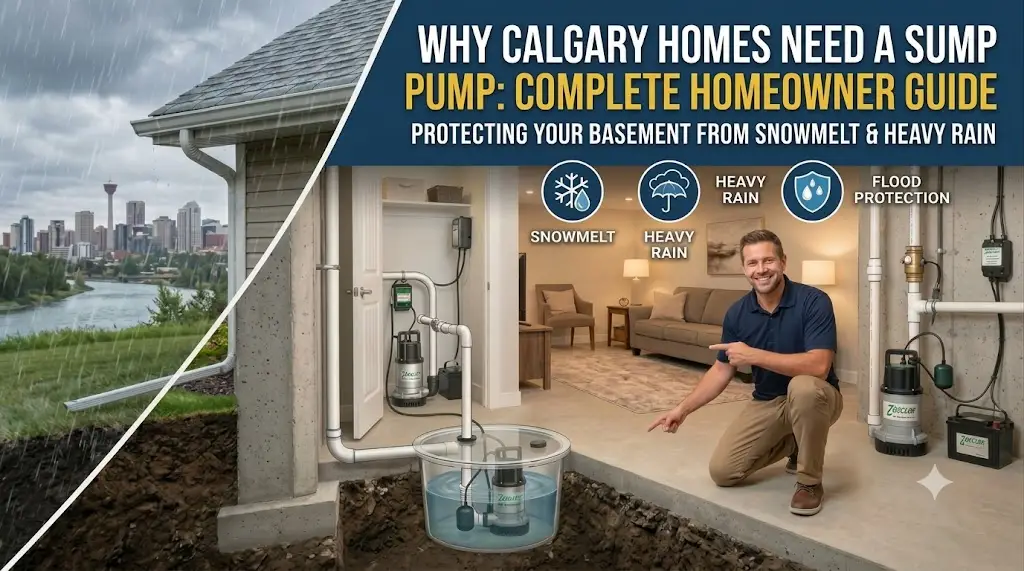
Calgary homes are constantly exposed to changing weather conditions, from heavy rainfall in summer to rapid snowmelt in spring and deep frost in winter. These conditions create a perfect environment for basement water problems. That’s why a sump pump Calgary homes system is not just a useful addition—it is often a critical part of protecting your property from costly water damage. Many homeowners only realize the importance of a sump pump after experiencing flooding or moisture issues in their basement. However, understanding how and why these systems work can help you prevent damage before it happens. In this guide, we’ll break down why Calgary homes need a sump pump, how it works, and what makes it essential for long-term basement protection. Understanding the Role of a Sump Pump in Calgary Homes A sump pump is a mechanical device installed in the lowest part of a basement or crawl space. Its main job is to collect and remove excess water that gathers around your home’s foundation. In a typical sump pump system Calgary, water flows into a sump pit, where the pump automatically activates and redirects it away from the home. This simple mechanism plays a huge role in basement water protection Calgary homeowners rely on, especially during storms or melting snow periods. In most residential setups, a basement drainage pump Calgary system works alongside the home’s drainage and waterproofing systems to reduce moisture buildup and prevent flooding. Without it, water can easily accumulate and lead to serious structural damage. Why Calgary Homes Are at Higher Risk of Basement Flooding Before understanding why sump pump Calgary homes systems are necessary, it’s important to understand the environmental risks in the region. Calgary experiences frequent weather shifts, including: These conditions increase heavy rain water intrusion and place pressure on home foundations. As water builds up in the surrounding soil, it creates underground water pressure that forces moisture into basements through cracks and weak points. Homes without proper basement flooding prevention system protection often experience: This is why Calgary basement flooding prevention is not optional for many homeowners—it is a necessity. Top Reasons Why Calgary Homes Need a Sump Pump Protection Against Heavy Rain and Water Intrusion One of the biggest threats to basements is heavy rainfall. When the ground becomes saturated, water naturally moves toward the lowest point—your basement. Without a sump pump, this can quickly lead to flooding. A properly installed sump pump for basement protection helps redirect this water before it enters your home. It acts as a first line of defense against water seepage prevention failures and storm-related flooding. This is especially important in areas with poor soil drainage or older homes that lack modern waterproofing systems. Preventing Groundwater Pressure Damage Another major reason why Calgary homes need a sump pump is groundwater pressure. Over time, water accumulates in the soil around your foundation, creating constant pressure against basement walls. This pressure can lead to: A sump pump helps reduce this pressure by actively removing excess water from the surrounding soil. Combined with proper foundation drainage system design, it significantly lowers the risk of basement flooding. Essential Defense Against Basement Flooding One of the most common homeowner questions is: do Calgary homes really need a sump pump? The answer is yes—especially in flood-prone areas. Basements without pumps are far more likely to flood during: Without protection, even a small drainage issue can turn into a major emergency requiring emergency plumbing services and costly water damage prevention cleanup. This is why professionals often recommend sump systems as a standard part of flood prevention Calgary homes strategy. How a Sump Pump Protects Your Home A sump pump works through a simple but highly effective process: This process helps control basement leak protection and prevents water from entering living spaces. Many modern homes also include a sump pump backup system to ensure protection during power outages or pump failures. This is especially important during severe storms when flooding risk is highest. A sump pump system also works alongside other protections like a backwater valve system, which prevents sewage from flowing back into your basement during municipal overloads. Types of Sump Pump Systems for Calgary Homes There are several types of sump pump setups used in residential properties: Submersible Pumps Installed inside the sump pit, these are powerful and quiet. They are commonly used in modern residential sump pump Calgary installations. Pedestal Pumps Installed above the pit, these are easier to maintain but slightly louder. Battery Backup Systems These ensure your pump continues working during power outages, offering emergency sump pump Calgary protection. Each system has different advantages depending on your home’s drainage needs and flood risk level. Signs You Need a Sump Pump in Your Home Not every homeowner installs a sump pump early enough. Here are warning signs that indicate you may need one: If you notice these issues, it’s a strong sign that your home needs better basement moisture control and drainage support. Sump Pump Installation and Cost in Calgary Professional sump pump installation Calgary services ensure the system is properly sized and placed for maximum efficiency. The cost of installation can vary depending on: While sump pump cost Calgary may vary, it is significantly cheaper than repairing flood damage. Many homeowners see it as a long-term investment in basement flooding prevention system protection. Maintenance Tips for Long-Term Protection Even the best systems require regular maintenance. Proper sump pump maintenance Calgary helps ensure reliability during emergencies. Maintenance tips include: In cold months, frozen pipes can lead to sump pump failure Calgary homes experience, making seasonal maintenance essential. Sump Pump vs No Sump Pump: What’s the Difference? The difference between homes with and without sump pumps is significant. Homes with sump pumps: Homes without sump pumps: This comparison clearly shows why investing in a sump pump is essential. Professional Solutions for Calgary Homeowners While sump pumps are highly effective, they work best as part of a full drainage strategy. Professional services often include: These solutions ensure your home is fully protected

basement flooding Calgary
Uncategorized

Top Causes of Basement Flooding in Calgary (And How to Prevent It)

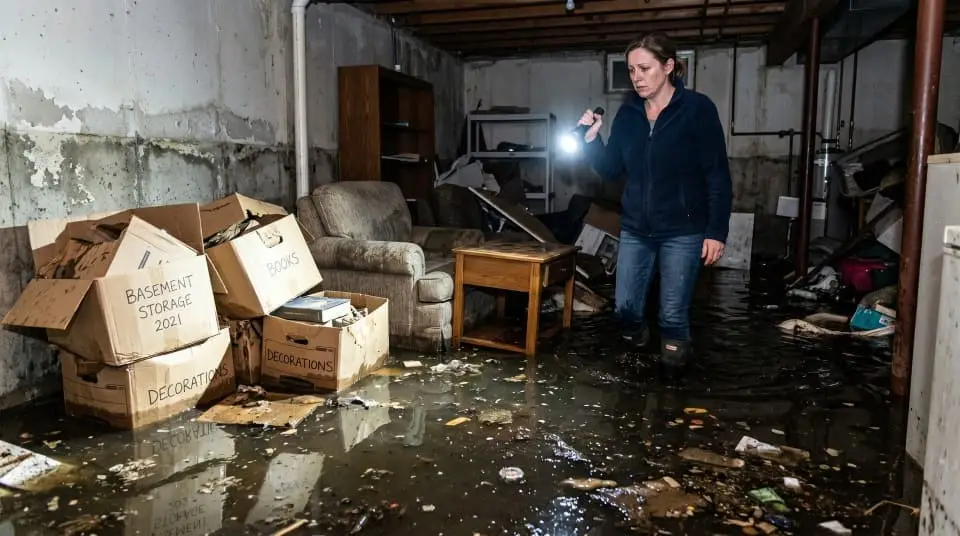
Basement flooding Calgary homeowners experience is becoming more common due to extreme weather changes, aging plumbing systems, and drainage issues around residential properties. A flooded basement can quickly turn into a costly disaster, causing structural damage, mold growth, ruined belongings, and major repair expenses. Whether it happens during a heavy storm or because of hidden plumbing problems, understanding the causes of basement flooding can help homeowners protect their property before serious damage occurs. In Calgary, fluctuating temperatures, snowmelt, and heavy rain basement flooding events create ideal conditions for water intrusion. Many homeowners notice water in basement after rain or discover moisture problems long before a major flood occurs. Ignoring these early warning signs often leads to expensive flooded basement repair Calgary services later. This guide explains the most common reasons for basement flooding, warning signs to watch for, and how to prevent basement flooding in Calgary using effective waterproofing and plumbing solutions. Why Basement Flooding Is a Serious Problem in Calgary Basement flooding is more than just standing water on the floor. It can damage your home’s foundation, weaken structural components, destroy furniture, and create unhealthy living conditions. Calgary homeowners frequently deal with drainage problems Calgary homes face due to changing weather patterns and older infrastructure systems. Rising Cases of Basement Water Damage in Calgary Over the last several years, basement water damage Calgary homeowners report has increased because of intense rainfall, melting snow, and sewer system overloads. When stormwater cannot drain properly, excess groundwater begins to build up around the foundation of homes. This pressure often forces water into basements through cracks, floor drains, or leaking basement walls. Even a small amount of water seepage can cause long-term damage if left untreated. Damp basements often lead to basement moisture control issues, unpleasant odors, and mold growth that affects indoor air quality. The Hidden Costs of Ignoring Basement Flooding Many homeowners delay repairs after minor flooding incidents, but this can create larger problems over time. Some hidden costs include: Taking preventive action early can save thousands of dollars in future repair costs. Top Causes of Basement Flooding in Calgary Understanding what causes basement flooding in Calgary is the first step toward protecting your property. Several factors contribute to flooding, especially during severe weather conditions. Heavy Rain Basement Flooding One of the most common reasons for basement flooding during rain is excessive stormwater accumulation around the foundation. Calgary storms can produce heavy rainfall within a short period, overwhelming drainage systems and forcing water into homes. When your property has a poor drainage system, rainwater collects near the foundation instead of flowing away from the house. Over time, hydrostatic pressure builds and pushes water through tiny cracks in basement walls and floors. Common causes include: Homeowners often notice water in basement after rain because their drainage systems cannot handle large amounts of stormwater efficiently. How to Prevent Heavy Rain Basement Flooding Sump Pump Failure Calgary Homeowners Experience A sump pump is one of the most important tools for basement flood prevention. It removes excess water from around your home’s foundation and pumps it safely away from the property. However, sump pump failure Calgary homeowners deal with is a major cause of basement flooding. If the sump pump stops working during a storm, water can quickly accumulate inside the basement. Common reasons for sump pump failure include: Regular sump pump maintenance Calgary services help ensure your system operates correctly during emergencies. Signs Your Sump Pump Needs Attention Installing a battery backup system can provide additional protection during severe storms and power failures. Sewer Backup Calgary Problems A sewer backup Calgary homeowners encounter can cause significant flooding and contamination inside the basement. During periods of heavy rainfall, municipal sewer systems may become overloaded, forcing wastewater back into residential drain systems. A sewer line blockage caused by grease buildup, tree roots, or debris can also trigger basement drain backup issues. Warning Signs of Sewer Backup Installing a backwater valve is one of the most effective Calgary sewer backup prevention tips for homeowners. This device prevents wastewater from flowing backward into your basement during sewer overload conditions. Cracked Foundation Basement Leak Issues Foundation cracks are another major source of basement flooding Calgary residents face. Calgary’s freeze-thaw cycles cause soil movement, which places pressure on basement walls and foundations. Over time, foundation cracks allow water seepage to enter the basement during rainstorms or snowmelt periods. Common Signs of Foundation Problems Professional basement leak repair Calgary services can seal cracks and prevent future flooding problems. Waterproofing Solutions Many homeowners invest in basement waterproofing Calgary services to stop water intrusion permanently. Waterproofing methods may include: Clogged Drain Basement Flooding Clogged drains are another common reason for basement flooding. Floor drains can become blocked with dirt, grease, hair, and debris over time. When drains become clogged, water cannot flow properly and begins backing up into the basement. Causes of Drainage Problems Routine plumbing inspection and professional drain cleaning can help prevent major basement plumbing issues before they become emergencies. Burst Pipe Basement Flooding Calgary winters often bring freezing temperatures that increase the risk of burst pipe basement flooding. Frozen water expands inside pipes, causing them to crack or burst under pressure. Burst pipes can release large amounts of water into basements within minutes. Common Causes of Burst Pipes If a pipe bursts, homeowners should immediately shut off the main water supply and contact an emergency plumber Calgary residents trust for immediate repairs. Common Warning Signs Your Basement May Flood Recognizing early warning signs can help prevent major water damage and costly repairs. Signs Your Basement May Flood Watch for these indicators: Ignoring these signs often leads to larger basement flooding repair experts Calgary homeowners later require. How to Prevent Basement Flooding in Calgary Preventive maintenance is the best defense against flooding. Homeowners can reduce their risk by addressing plumbing and drainage problems early. Improve Exterior Drainage Around Your Home Improper grading is one of the biggest causes of flooding. Water should always flow away from the foundation instead of

How to Test Your Sump Pump Before Spring Flood Season (Complete Step-by-Step Guide)
Uncategorized

How to Test Your Sump Pump Before Spring Flood Season (Complete Step-by-Step Guide)

As winter ends and temperatures rise, homeowners face one of the biggest seasonal risks—basement flooding. Melting snow, heavy rainfall, and rising groundwater levels can quickly overwhelm your drainage system. This is why understanding how to test sump pump before spring is not just helpful—it’s essential. A properly functioning sump pump acts as your home’s first line of defense against water damage. However, many homeowners ignore sump pump maintenance until it’s too late. A failed pump during a storm can lead to costly repairs, mold growth, and structural damage. In this complete sump pump testing guide, you’ll learn everything from inspection to troubleshooting, ensuring your system is ready for the spring flood season. Why Testing Your Sump Pump Before Spring is Critical Spring is known for unpredictable weather conditions. Rapid snowmelt combined with rainfall increases the risk of basement flooding significantly. Without proper sump pump maintenance before spring flood season, your home becomes vulnerable. Testing your sump pump helps with: A quick basement sump pump testing routine can save you thousands in repair costs. Signs Your Sump Pump is Failing Before Spring Floods Before diving into testing, it’s important to identify early warning signs. Recognizing these issues helps you act quickly. Common warning signs: These are clear signs your sump pump is failing before spring floods, and immediate inspection is necessary. Complete Sump Pump Inspection Checklist A proper sump pump inspection checklist ensures nothing is overlooked during testing. What to check: ✔ Power source and electrical connections✔ Sump pit cleanliness (remove debris)✔ Pump positioning and stability✔ Float switch movement✔ Discharge pipe condition✔ Check valve functionality✔ Backup battery system✔ Alarm system operation This checklist forms the foundation of effective home plumbing inspection and prepares your system for heavy use. Step-by-Step Guide: How to Test Sump Pump Before Spring Now let’s get into the most important part—how to test sump pump before spring using a simple and effective method. Step 1: Check the Power Supply Ensure your pump is plugged into a working outlet. Reset any tripped breakers. Step 2: Pour Water into the Sump Pit Slowly pour a bucket of water into the pit. This simulates rising water levels. This is a crucial part of any step by step guide to test sump pump at home. Step 3: Observe Pump Activation The pump should turn on automatically once the water reaches a certain level. If it doesn’t, you may need sump pump not working troubleshooting. Step 4: Perform Float Switch Testing The float switch triggers the pump. Make sure it moves freely. This step is essential in float switch testing sump pump. Step 5: Check the Discharge Pipe Water should flow freely through the pipe and away from your home. A proper sump pump discharge pipe check ensures there are no clogs or freezing issues. Step 6: Test Battery Backup Unplug the pump to simulate a power outage. Your backup system should activate immediately—this is your sump pump battery backup test. Step 7: Test Alarm System Trigger the alarm manually if possible to ensure it works. This step covers sump pump alarm test, which is often overlooked but critical. Step 8: Monitor Performance Check how quickly the pump removes water and listen for unusual sounds. By following this process, you can confidently complete how to test your sump pump before heavy rain season. How to Check if Your Sump Pump is Working Properly After testing, you should confirm whether your system is functioning efficiently. Signs of a working sump pump: This helps answer the common question: how to check sump pump is working. Sump Pump Not Working Troubleshooting Even after testing, issues may arise. Here’s how to fix common problems: 1. Pump Not Turning On 2. Pump Runs Continuously 3. No Water Discharge 4. Weak Performance These fixes are essential for effective sump pump not working troubleshooting. Advanced Testing Tips Most Homeowners Don’t Know To outperform competitors and ensure maximum protection, consider these advanced tips: ✔ Simulate Heavy Rainfall Add large volumes of water to test pump capacity. ✔ Check Check-Valve Efficiency Prevents water from flowing back into the pit. ✔ Inspect Pump Age Most pumps last 7–10 years—older units need replacement. ✔ Use Smart Monitoring Systems Modern systems alert you via mobile apps. These techniques elevate your basement sump pump testing to a professional level. Sump Pump Maintenance Tips Before Spring Flood Season Regular upkeep ensures long-term reliability. Key sump pump maintenance tips: Combine this with basement waterproofing tips for complete protection. How Often Should You Test Your Sump Pump? Many homeowners ask: how often to test sump pump? Recommended schedule: Consistent testing supports stormwater management and reduces flooding risks. Basement Flooding Prevention with Sump Pump Maintenance A sump pump alone isn’t enough—you need a complete strategy. Combine with: This approach ensures effective basement flooding prevention with sump pump maintenance. Professional vs DIY Sump Pump Testing DIY Testing Professional Inspection If you notice recurring issues, call an expert for a full home plumbing inspection. Final Checklist: Make Sure Your Sump Pump is Ready for Spring Thaw Before spring arrives, ensure: ✔ Pump activates properly✔ Float switch works smoothly✔ Discharge pipe is clear✔ Backup battery is functional✔ Alarm system is active This ensures how to make sure sump pump is ready for spring thaw is fully covered. Conclusion Understanding how to test sump pump before spring is one of the most important steps in protecting your home from water damage. With proper testing, maintenance, and proactive care, you can avoid costly repairs and keep your basement dry throughout the season. A little effort now can save you thousands later. Don’t wait until the next storm—test your sump pump today and ensure your home is fully prepared. FAQs 1. How do I know if my sump pump is working? Pour water into the pit and check if it activates and drains properly. 2. How often should I test my sump pump? At least every 3–4 months and before spring. 3. What happens if my sump pump fails? It can lead to severe

Scroll to Top