
Basement flooding is one of the most frustrating and expensive problems homeowners can face. Whether it’s caused by heavy rainfall, melting snow, foundation leaks, or sudden plumbing issues, water intrusion can quickly damage flooring, drywall, furniture, and even your home’s foundation. That’s why choosing the right sump pump is essential for long-term basement protection.
When comparing pedestal vs submersible sump pump systems, many homeowners feel confused about which option offers the best value, performance, and reliability. Add battery backup systems into the equation, and the decision becomes even more important—especially in areas prone to storms and power outages.
In this complete guide, we’ll compare the most common sump pump types, including pedestal, submersible, and battery backup sump pump systems. You’ll learn how each system works, their pros and cons, and which setup is the best sump pump for basement protection based on your home’s needs.
What Is a Sump Pump and Why Do Basements Need One?
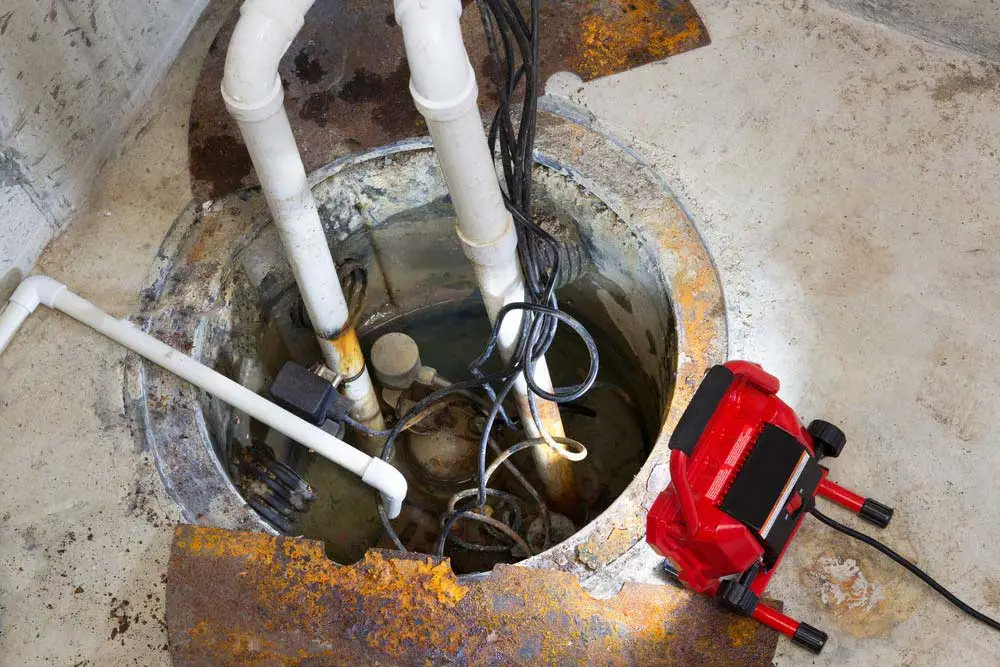
A sump pump is a device installed in the lowest part of a basement or crawl space. Its job is to collect and remove excess groundwater before it floods your home. Most basement sump pump systems work through a sump pit that gathers water from drains or surrounding soil. Once water reaches a certain level, the pump automatically activates and pushes the water away from your property.
Without a reliable sump pump for flooded basement situations, homeowners can experience:
- Structural water damage
- Mold and mildew growth
- Ruined flooring and drywall
- Electrical hazards
- Expensive foundation repairs
Modern sump pumps are one of the most effective tools for basement flood prevention and overall water damage prevention. However, choosing the right system depends on your basement size, flood risk, and local weather conditions.
Understanding the Different Types of Sump Pumps
There are three primary sump pump types homeowners commonly use:
- Pedestal sump pumps
- Submersible sump pumps
- Battery backup sump pumps
Each system offers unique benefits and limitations.
Pedestal Sump Pumps
A pedestal sump pump features a motor mounted above the sump pit while the pump itself sits inside the pit. The elevated motor design keeps the electrical components dry and easily accessible.
How Pedestal Pumps Work
The pump activates when water rises inside the basin. Water is then pushed through a discharge pipe away from the foundation.
Pedestal Sump Pump Advantages
There are several reasons homeowners still choose pedestal systems:
Longer Motor Lifespan
Because the motor stays above water, pedestal pumps often last longer than fully submerged models.
Easier Maintenance
One of the biggest pedestal sump pump advantages is accessibility. Repairs and maintenance are usually easier because the motor is exposed.
Lower Initial Cost
Pedestal pumps are generally more affordable than submersible models, making them a budget-friendly option.
Ideal for Narrow Pits
These systems work well in smaller sump basins where larger pumps may not fit.
Drawbacks of Pedestal Pumps
While comparing pedestal vs submersible sump pump systems, pedestal models do have limitations:
- Louder operation
- Less visually appealing
- Lower pumping power during severe flooding
- More exposed components
Homeowners looking for a quieter system often prefer submersible alternatives.
Submersible Sump Pumps
Submersible sump pumps are designed to operate underwater inside the sump basin. The motor is sealed within a waterproof housing, allowing the entire unit to sit below water level.
Why Many Homeowners Prefer Submersible Systems
Submersible pumps are among the most popular basement sump pump systems because they provide strong performance during heavy water intrusion.
Submersible Sump Pump Benefits
Quiet Operation
One of the top submersible sump pump benefits is quieter performance since the motor operates underwater.
Better for Heavy Flooding
Submersible models are often considered the best sump pump for basement flooding because they handle larger water volumes efficiently.
Space-Saving Design
Because the entire pump sits inside the pit, it keeps the basement cleaner and less cluttered.
Faster Water Removal
These systems generally move water more quickly during severe storms or flooding.
Drawbacks of Submersible Pumps
When evaluating pedestal vs submersible sump pump pros and cons, submersible systems may:
- Cost more initially
- Require more involved repairs
- Have slightly shorter motor lifespans due to underwater operation
Despite this, many homeowners choose submersible systems because of their superior performance.
Battery Backup Sump Pumps
A battery backup sump pump acts as a secondary protection system when your main sump pump fails or loses power.
This is especially important because basement flooding often occurs during storms when electrical outages are common.
How Battery Backup Systems Work
A battery backup sump pump system activates automatically if:
- Power goes out
- The primary pump stops working
- Water levels exceed normal capacity
The backup unit runs on stored battery power until electricity returns.
Why Battery Backup Systems Matter
Protection During Power Outages
A sump pump backup system ensures your basement stays protected even during severe weather.
Emergency Flood Prevention
These systems are among the most effective emergency sump pump solutions available.
Additional Safety Layer
Even the best primary pump can fail unexpectedly. Backup systems provide peace of mind.
For homeowners concerned about storms and outages, a battery backup unit may be the best backup sump pump for power outages and emergency situations.
Pedestal vs Submersible Sump Pump: Key Differences
When comparing pedestal vs submersible sump pump systems, homeowners should evaluate several important factors.
| Feature | Pedestal Pump | Submersible Pump |
|---|---|---|
| Noise Level | Louder | Quiet |
| Installation Cost | Lower | Higher |
| Flood Handling | Moderate | Excellent |
| Maintenance | Easier | More Complex |
| Lifespan | Longer | Moderate |
| Appearance | Visible Motor | Hidden System |
| Best Use | Light to moderate flooding | Heavy flooding |
This sump pump comparison shows that the right choice depends on your basement conditions and flood risk.
Battery Backup vs Submersible Sump Pump: Which Offers Better Protection?
Many homeowners compare battery backup vs submersible sump pump systems, but these two systems actually serve different purposes.
A submersible pump is typically your primary water removal system, while a battery backup unit acts as secondary protection.
The ideal setup often includes:
- A powerful submersible primary pump
- A battery backup system for emergencies
This combination provides excellent protection during:
- Heavy storms
- Rapid snowmelt
- Flash flooding
- Power outages
For homes exposed to extreme weather, this setup may be the best sump pump for heavy rainfall and severe basement flooding.
How to Choose a Sump Pump for Your Basement
If you’re wondering which sump pump is best for basement protection, several factors should influence your decision.
1. Basement Flood Risk
Homes with frequent water issues typically benefit from submersible systems with battery backups.
2. Power Outage Frequency
Areas with storms and outages should strongly consider a battery backup sump pump system.
3. Basement Size
Larger basements usually require more powerful pumps with higher pumping capacity.
4. Budget
Pedestal pumps offer affordable solutions for homeowners needing basic flood protection.
5. Noise Preference
Submersible systems are ideal for finished basements because they operate quietly.
Understanding how to choose a sump pump can help homeowners avoid future flooding and costly repairs.
Signs You Need a New Sump Pump
Ignoring early warning signs can result in major water damage. Here are common indicators you may need a sump pump replacement:
Strange Noises
Grinding or rattling sounds may indicate motor wear.
Frequent Cycling
Constant activation may signal float switch problems.
Visible Rust
Corrosion can reduce pump performance.
Water Around the Basement
A failing system may no longer remove water effectively.
Old Age
Most sump pumps last between 7–10 years.
Recognizing the signs you need a new sump pump early can prevent basement flooding emergencies.
Professional Sump Pump Installation Matters
Proper sump pump installation is critical for long-term reliability. Incorrect sizing or poor installation can lead to repeated failures.
Professional installers help homeowners:
- Choose the right pump size
- Install proper drainage lines
- Ensure safe electrical connections
- Optimize water removal efficiency
Many homeowners searching for affordable sump pump installation Calgary services should focus on experienced plumbing professionals who understand local weather and drainage conditions.
Sump Pump Maintenance Tips for Long-Term Protection
Routine maintenance extends the life of your system and improves reliability.
Important Sump Pump Maintenance Tips
Clean the Sump Pit
Debris buildup can clog the system.
Test the Pump Regularly
Pour water into the pit to ensure activation.
Inspect the Discharge Pipe
Make sure water flows freely outside.
Check Backup Batteries
Battery systems should be tested regularly.
Schedule Professional Inspections
Annual inspections help identify wear before failures occur.
These sump pump maintenance tips are essential for effective basement flood prevention and reliable system performance.
Best Sump Pump Recommendation Based on Basement Needs
Best for Heavy Flooding
Submersible systems are ideal for high water volumes and severe storms.
Best Budget-Friendly Option
Pedestal pumps provide affordable protection for homes with moderate water issues.
Best for Power Outages
Battery backup systems offer critical emergency protection.
Best Overall Protection
Combining a submersible primary system with a backup battery pump creates the most reliable setup.
Why Calgary Homeowners Need Reliable Sump Pump Systems
Weather conditions can create serious basement flooding risks for homeowners. Snowmelt, sudden storms, and heavy rainfall increase the need for dependable sump pump options for Calgary homes.
Older homes may also experience:
- Foundation cracks
- Poor drainage systems
- Sewer backup risks
- Excess groundwater pressure
Investing in reliable basement waterproofing and sump pumps can significantly reduce water damage risks and repair costs.
For homeowners facing flooding emergencies, professional residential sump pump services and emergency plumbing support provide added peace of mind.
Conclusion
Choosing between a battery backup, pedestal, or submersible sump pump depends on your basement’s flood risk, budget, and long-term protection needs.
When comparing pedestal vs submersible sump pump systems, pedestal models offer affordability and easier maintenance, while submersible pumps provide stronger performance and quieter operation. However, adding a battery backup sump pump creates an extra layer of security during storms and power outages.
For maximum protection, many homeowners combine a submersible primary pump with a backup battery system to prevent costly flooding and water damage.
Whether you need a new installation, maintenance, or emergency support, investing in the right sump pump system today can protect your basement for years to come.
Frequently Asked Questions
Which sump pump is best for basement flooding?
Submersible sump pumps are often considered the best option for severe basement flooding because they handle large water volumes efficiently.
What is the difference between a pedestal and submersible sump pump?
The main difference is motor placement. Pedestal pumps have motors above the pit, while submersible pumps operate underwater inside the basin.
Is a battery backup sump pump worth it?
Yes. A battery backup system protects your basement during power outages and primary pump failures.
How long do sump pumps last?
Most sump pumps last between 7 and 10 years with proper maintenance.
Which sump pump works best during power outages?
A battery backup sump pump is the best solution during electrical outages.
What are the signs you need a new sump pump?
Common warning signs include strange noises, constant cycling, rust, and water accumulation in the basement.