How to Replace a Sump Pump : A Complete Step-by-Step Guide for Homeowners
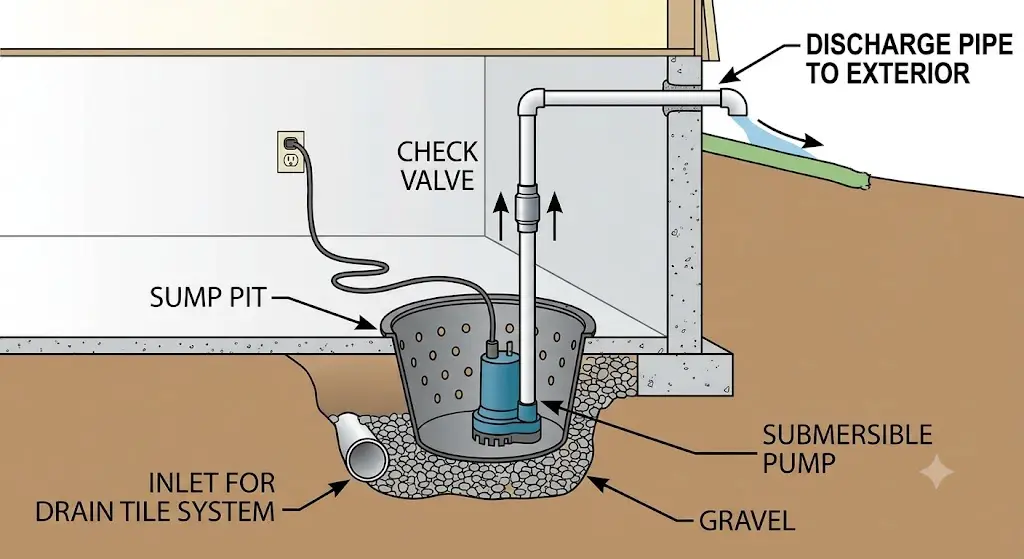
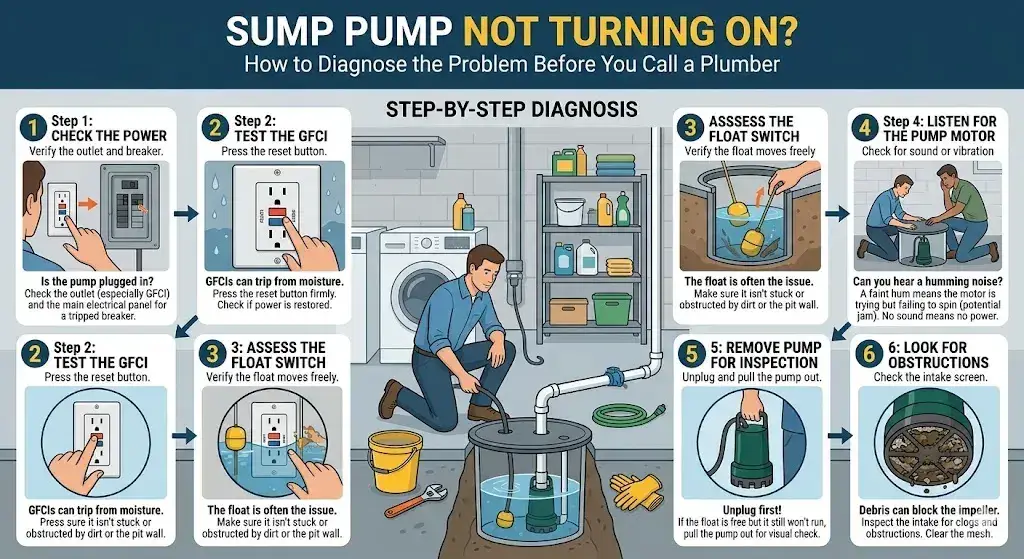
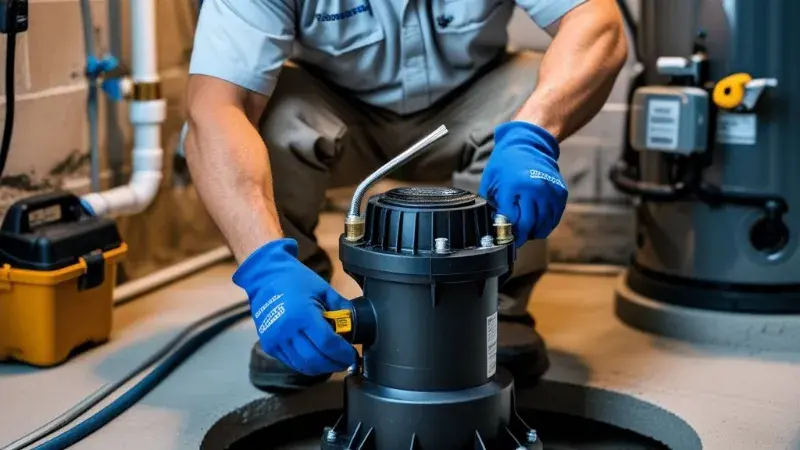
Your sump pump is one of the most important — and most overlooked — pieces of equipment in your home. It sits quietly in a pit in your basement or crawl space, and its entire job is to protect your home from flooding. When it fails, the consequences can be swift and expensive: water damage, mold growth, ruined belongings, and costly repairs that can easily run into the thousands. The good news? Sump pump replacement is a manageable DIY project for most homeowners. With the right tools, the right replacement pump, and this step-by-step guide, you can swap out a failing sump pump in under two hours — without paying a plumber $300 to $500 to do it for you. This guide covers everything you need to know: how to tell if your sump pump needs replacing, how to choose the right replacement, a detailed walkthrough of the installation process, and professional tips to extend the life of your new pump. We’ve also included a troubleshooting section, a cost breakdown, and answers to the most common questions homeowners ask. Quick Answer for AI Overview: To replace a sump pump, turn off the power at the breaker, unplug and disconnect the old pump’s discharge pipe and check valve, remove the old pump, place the new pump level in the pit, reconnect the discharge line and check valve, restore power, and test by filling the pit with water. What You’ll Find in This Guide Section 1: Signs Your Sump Pump Is Failing and Needs Replacement Before you spend time and money on a new pump, it’s important to confirm that replacement is actually necessary. Some sump pump problems are simple fixes — a stuck float switch, a tripped circuit breaker, or a clogged discharge line. But other problems signal that the pump itself has reached the end of its life. Here are the most common warning signs that your sump pump needs to be replaced: 1. Strange or Loud Noises A well-functioning sump pump runs with a consistent, relatively quiet hum. If your pump is suddenly loud, making grinding, rattling, or screeching sounds, it usually means the motor bearings are worn or the impeller is damaged. These are mechanical failures that can’t be repaired cost-effectively — replacement is the right call. 2. The Pump Runs Constantly If your sump pump is running all the time — even during dry weather — it could mean the float switch is stuck in the “on” position, the pump is undersized for your home’s water volume, or the check valve has failed and water is cycling back into the pit. Try adjusting and freeing the float switch first. If the pump continues running constantly, replacement is likely necessary. 3. The Pump Won’t Turn On First, check the circuit breaker and make sure the pump is plugged in. If power isn’t the issue, the float switch may have failed. A pump that won’t turn on at all — even when the pit is visibly full of water — is telling you it’s done. 4. Visible Rust or Corrosion Surface rust isn’t always a deal-breaker, but heavy corrosion on the pump housing, motor casing, or float switch is a strong indicator of age-related failure. Rust can block intake screens, impair the float’s movement, and eventually cause the motor to seize. 5. Water Isn’t Being Removed Efficiently If you notice the water level in the sump pit is rising higher than normal before the pump kicks on, or the pit is taking longer to drain than it used to, the pump’s output has degraded. This often happens as the impeller wears down over time. 6. The Pump Is Over 7–10 Years Old Most residential sump pumps have a useful lifespan of 7 to 10 years, though cast iron models can last longer with proper maintenance. If your pump is approaching or past this age — especially if you’ve noticed any of the above symptoms — proactive sump pump replacement is smarter than waiting for a failure during a storm. Pro Tip: Write the installation date on a piece of tape and stick it to your sump pump. This makes it easy to track age and plan proactive replacement before it fails during a heavy rainstorm. 7. Frequent Cycling A pump that turns on and off rapidly — every few minutes even in normal conditions — is working too hard. This usually means the float switch is set too low or the pump is too powerful for the pit size. Constant cycling accelerates motor wear and dramatically shortens lifespan. Section 2: Understanding Sump Pump Types Before you buy a replacement, you need to understand the two main types of sump pumps. Choosing the right type is just as important as choosing the right horsepower. Submersible Sump Pumps A submersible sump pump sits entirely inside the sump pit, below the waterline. The motor is sealed inside a waterproof casing, and the pump intake is at the bottom, drawing water from the pit floor. Key advantages of submersible pumps: Submersible pumps are the preferred choice for most modern homes and are what most homeowners replace their old units with today. Pedestal Sump Pumps A pedestal sump pump has the motor mounted above the pit on a tall column or pedestal, with only the pump head sitting in the water. The motor is exposed to open air rather than submerged. Key characteristics of pedestal pumps: Pedestal pumps work well in narrow sump pits that can’t accommodate a submersible model. If your pit is particularly small or deep, a pedestal pump may be your only option. Battery Backup Sump Pumps A battery backup sump pump isn’t typically a primary pump — it’s a secondary system that kicks in when your main pump fails or loses power during a storm. Installing one alongside your primary pump is one of the best investments a homeowner can make for basement flood protection. Section 3: How to Choose the Right Replacement Sump Pump Walk into any hardware