
When it comes to plumbing, prevention always costs less than repairs. Yet drain maintenance is easy to forget until a sink won’t empty or a basement floor drain backs up. A few simple habits, plus occasional professional cleaning, will keep your drains flowing freely and help you avoid messy, expensive emergencies.
Here’s how to keep the drains in your Calgary home in good shape, and how to tell when it’s time to call a professional.
Keep Grease and Oil Out of Your Drains
This is the single most common cause of kitchen clogs. Hot grease looks harmless going down the sink, but it cools and solidifies inside your pipes, trapping food scraps and soap scum until the drain blocks completely. Let fats and oils cool, scrape them into a container or the garbage, and wipe greasy pans with a paper towel before washing.
Use Drain Strainers
Inexpensive mesh strainers in your kitchen sink, bathtub, and shower catch food particles and hair before they reach the pipes. Empty them regularly. Hair combined with soap residue is the main cause of slow bathroom drains.
Only Flush the Three P’s
Toilets are designed for pee, poo, and (toilet) paper. “Flushable” wipes, paper towels, cotton swabs, dental floss, and feminine products don’t break down like toilet paper and are a leading cause of toilet and sewer line blockages.
Flush Your Drains Regularly
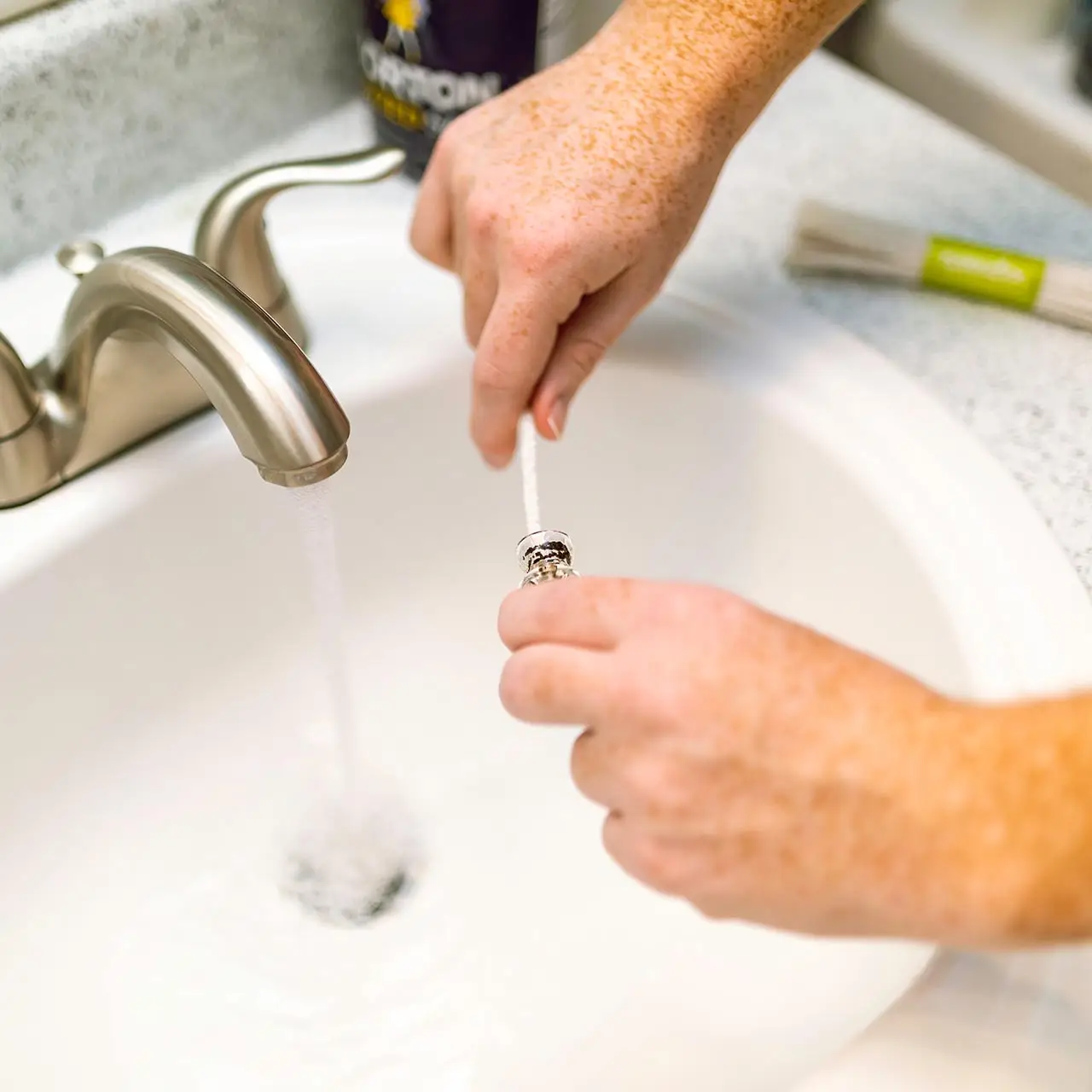
Once a week, run hot tap water down your kitchen and bathroom drains for a minute to help clear light buildup. Once a month, you can pour about half a cup of baking soda followed by a cup of white vinegar down the drain, wait 15 minutes, then flush with hot water. It won’t clear a real blockage, but it helps keep minor residue from building up.
Avoid Harsh Chemical Drain Cleaners
Store-bought chemical cleaners can generate intense heat that damages older pipes, and they often only clear part of a clog. If you use them repeatedly, they can do more harm than good. For regular upkeep, a plunger, a simple drain snake, or an enzyme-based cleaner is gentler on your plumbing.
Don’t Forget Your Basement Floor Drain
Many Calgary homes have a basement floor drain that rarely gets used. Inside it, a P-trap holds water that blocks sewer gas from entering your home. If that water evaporates, which is common in dry Calgary winters, you may notice a sewer smell. Pour a jug of water into the floor drain every month or two to keep the trap sealed. If the smell persists, here’s what to do about a rotten egg odour from your drains.
Keep Outdoor Drains Clear
Leaves, dirt, and debris can block exterior drains and window wells, especially during spring melt and summer storms. Clear them each spring and fall, and make sure downspouts direct water away from your foundation. Learn more about outdoor and storm drain cleaning.
Schedule Professional Drain Cleaning
Even with good habits, buildup collects deep in your pipes where DIY methods can’t reach. A professional cleaning every one to two years, more often for older homes or busy households, removes it before it causes a backup. Plumbers use drain augers for most clogs and hydro jetting to scour stubborn grease and scale from pipe walls, along with camera inspections to see exactly what’s going on inside. Not sure how often your home needs it? See our guide on how often to schedule drain cleaning in Calgary.
Signs It’s Time to Call a Plumber
- Several drains are slow at the same time
- Gurgling sounds from drains or toilets
- Water backing up into a tub, shower, or floor drain when you run another fixture
- Persistent bad odours
- Clogs that keep coming back
These often point to a blockage deeper in your main drain or sewer line, which can quickly turn into a backup. Learn more about the warning signs your home needs drain cleaning, and if water is already backing up, see how to prevent plumbing emergencies.
Professional Drain Cleaning in Calgary
ProStar Plumbing & Heating has kept Calgary drains flowing since 1996. Whether you need a routine cleaning or help with a stubborn clog, book our sewer and drain cleaning service or call (403) 250-7232. We’re available 24/7.